News Summary
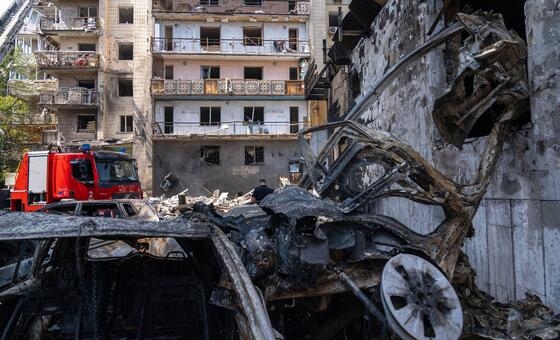
The UN Human Rights Monitoring Mission in Ukraine (HRMMU), as relayed by UN News, reported that civilian casualties in Ukraine in July reached the highest monthly level since March 2022. The supplied UN News item makes this single, specific comparative claim but provides no casualty totals, no breakdown of deaths versus injuries, no geographic distribution, no explanation of causes, and no methodological detail or corroborating sources in the supplied text.
Source and Framing Analysis
The claim is attributed to a single institutional source: the HRMMU, reported via UN News. HRMMU is a recognized monitoring mission with a mandate to document civilian harm; that institutional attribution strengthens credibility for the claim that a rise occurred. At the same time, the supplied article is terse and lacks numerical data, disaggregation (killed vs. injured), geographic detail, timelines (exact dates covered), and a description of HRMMU’s verification methodology. Because the story rests on one institutional update, readers and decision-makers should treat the comparative statement ("highest since March 2022") as potentially accurate but incomplete: it signals a trend without scale or context. Framing as a headline-level increase may heighten perceived urgency — appropriately so given civilian harm — but it also risks implying more specific facts than the supplied text supports. Responsible follow-up would seek the original HRMMU update, other monitoring bodies, government and NGO figures, and methods used to compile the totals before pursuing policy or advocacy steps that depend on precise counts or attribution.
How sources covered this story
Sanctuary separately assesses reporting quality and alignment with Christian virtues. The virtues assessment considers truthfulness, dignity, compassion, justice, peacemaking, humility, and care for vulnerable people. It does not assess a publisher's faith or reward religious language.
Compare 1 reports
Reporting 78/100Virtues 78/100
- Distinctive contribution
- Specifies that July was the highest monthly level of civilian casualties since March 2022 and attributes the finding to the UN HRMMU.
- Framing
- Presented as a factual update from the UN Human Rights Monitoring Mission (HRMMU); concise headline-style reporting emphasizing the rise in civilian casualties.
- Omissions or uncertainty
- No casualty counts (deaths vs. injuries) are provided, nor a geographic breakdown, causes of the casualties, methodology, timeframe definition (exact dates for 'July'), or direct quote from HRMMU. Unclear whether figures include all areas or only where HRMMU operates.
- Why these scores
- Clear attribution to a credible monitoring body (HRMMU) and a concise, specific claim make this a responsible brief. It loses some points for lack of numeric detail, methodological context, and absence of direct quotations or links to fuller data in the supplied excerpt. The excerpt responsibly reports on civilian suffering, attributes the claim to a humanitarian monitoring mission, and avoids dehumanizing language or sensationalism. It demonstrates concern for vulnerable people by highlighting increased civilian harm, though it lacks explicit empathetic context or calls for protection/assistance that would raise the score further.
Biblical Reflection
A Christian response to the report that "Ukraine: July Civilian Casualties Highest Since 2022" is shaped by lament, truthfulness, mercy, and a pursuit of justice and peace. Lament honors real suffering and resists quick partisan explanations; truthfulness urges careful inquiry into facts and causes; mercy and care push us toward concrete support for the wounded, displaced, and grieving. The church should mourn with victims, support verified humanitarian relief, and press for civilian protection and independent accountability, while remaining humble about the limits of available public information. This outlook is not political cheerleading but a moral posture that seeks the dignity and safety of vulnerable neighbors and calls leaders to actions that reduce harm.
Scripture in context
- 1Matthew 5:9 — Part of Jesus’ teaching on the character of God’s reign, contrasting worldly power with the ways of peacemaking and reconciliation. — Matthew’s call to be peacemakers helps frame the church’s response to the news that civilian harm has risen: Christians are called to work for reconciliation, protection of the vulnerable, and practical measures that reduce civilian suffering rather than to celebrate military advantage.
- 2Romans 12:15 — Paul’s pastoral instruction on mutual empathy within the Christian community — to share in others’ joys and sorrows. — Romans’ ethic of weeping with those who weep guides congregations to accompany civilians harmed by conflict through prayer, pastoral presence, and tangible aid rather than partisan distancing or rhetorical desensitization.
Faithful Response
Pray regularly and publicly for civilians affected by the conflict, for relief workers, investigators, and political leaders tasked with protecting noncombatants.
Seek and support vetted humanitarian organizations providing medical care, shelter, and refugee assistance for those displaced by the fighting.
Avoid sharing unverified casualty figures or partisan narratives; require corroboration before public advocacy that depends on specific numbers or attributions.
Advocate for independent, transparent monitoring and accountability mechanisms to protect civilians and investigate violations.
Equip congregations to provide pastoral care for refugees and families of victims, including grief counseling and practical resettlement assistance where possible.
Partner ecumenically and with trusted relief agencies to ensure aid reaches the most vulnerable without exacerbating political tensions.
Reflection and Discussion
- 1Given the report that "Ukraine: July Civilian Casualties Highest Since 2022," who are the most vulnerable people named or implied by this finding, and how should that identification shape our congregation’s priorities?
- 2What additional facts would I need before making public statements or organizing advocacy based on this report, and where would I responsibly look for that information?
- 3How can our church respond with both candor about wrongdoing and compassion for suffering people on all sides of the conflict?
- 4What institutional partnerships (local or international) should we vet now so that our congregation can provide meaningful, verified assistance if civilian harm continues or worsens?
Sources
Reporting links are evidence inputs; Sanctuary News' biblical reflection is commentary.
This outlook currently relies on fewer than two linked sources. Broaden verification before teaching from it.
- 1.Ukraine: Civilian casualties hit highest level since March 2022official_document