News Summary
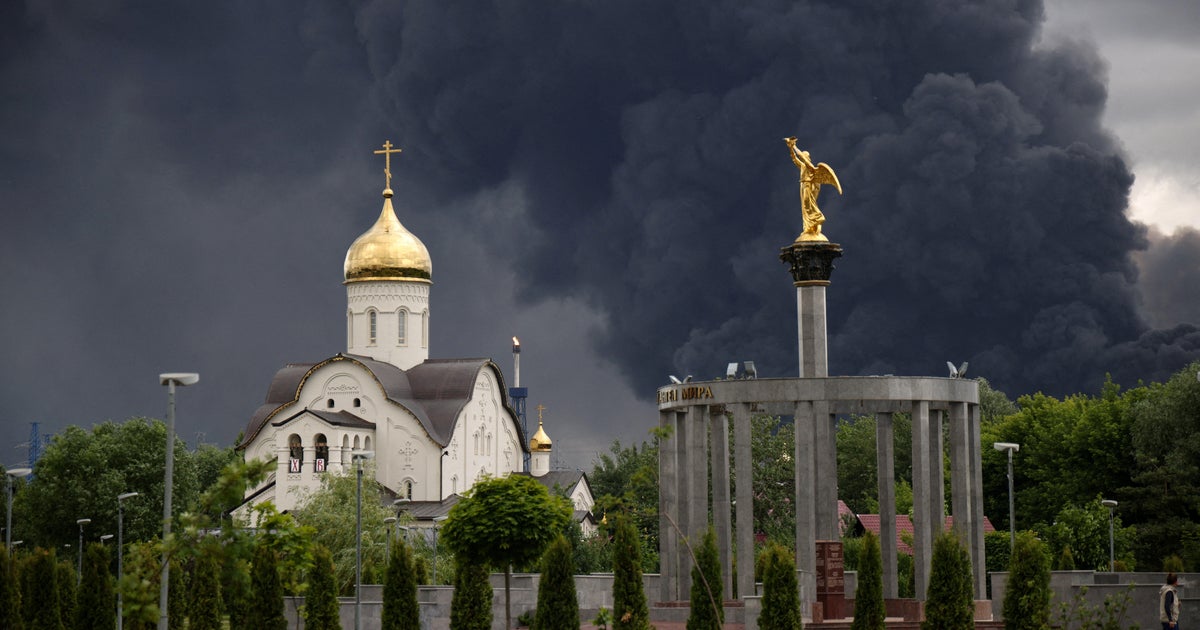
Russian officials reported a large Ukrainian drone attack that struck the Moscow Oil Refinery, producing large fires and temporarily disrupting commercial flights at four Moscow-area airports; Russian media released images showing thick smoke over the city. Russian authorities said air defenses shot down hundreds of drones across multiple regions and reported damage in the Moscow region including a residential building in Zhukovsky with one injury. Ukrainian President Volodymyr Zelenskyy characterized the strikes as retaliation for a Russian strike that damaged a Kyiv monastery and warned that Moscow would suffer if attacks on Ukraine continued. Ukrainian officials and Western analysts described improved Ukrainian drone capability and Russian shortages of certain interceptor missiles as factors enabling the strikes. The refinery had also been hit on June 16; it supplies a substantial portion of the capital region's fuel. Ukrainian leaders said they secured further pledges of support from G7 leaders, and French President Emmanuel Macron and others affirmed continued assistance; the U.S. relationship under President Trump was noted as reduced but still engaged. Russian and Ukrainian accounts of numbers and effects differ and remain partially unverified by independent sources in the report.
Biblical Reflection
The article reports a significant escalation by detailing an attack on critical civilian infrastructure near Russia’s capital and the political rhetoric that accompanies it. It presents competing official claims without independent verification, which is common in wartime reporting; readers should therefore treat specific figures and characterizations cautiously. From a Christian perspective, the events raise urgent moral questions: the strategic aim of degrading an opponent's war-sustaining capacity must be weighed against foreseeable civilian harm and further escalation. Rhetoric that celebrates enemy suffering or promises collective punishment undermines mercy and the pursuit of peace and risks hardening enmity rather than enabling reconciliation. At the same time, acknowledging Ukraine’s desire to stop attacks on its cities and protect its people is not morally neutral; Christians can hold both a condemnation of aggression and a concern for proportionality and civilian protection in any response. The story exposes how war incentives, technological advances (drones), and diplomatic shifts interact — and how leaders’ words shape public conscience. Discernment requires distinguishing military claims from propaganda, calling for accountability for attacks on civilians on either side, and praying for avenues that reduce violence and protect noncombatants.
Scripture in context
This outlook does not yet include contextual Scripture citations. Do not treat a general biblical theme as an exegetical conclusion.
Faithful Response
No prescribed response is offered. Consider the reflection prompts below in your own church context.
Reflection and Discussion
- 1Whose accounts are being amplified in the reporting, and what evidence would you need to distinguish verified facts from wartime claims?
- 2How does targeting infrastructure near population centers change the moral calculus between weakening an opponent and protecting civilians?
- 3When leaders use incendiary language toward an entire city or people, how does that affect your assessment of their aims and the prospects for de-escalation?
Sources
Reporting links are evidence inputs; Sanctuary News' biblical reflection is commentary.
This outlook currently relies on fewer than two linked sources. Broaden verification before teaching from it.
- 1.Original reportprimary