News Summary
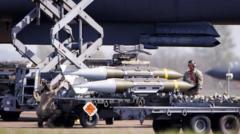
Reported facts: An Iranian military group warned the UK about allowing US forces to use British bases for strikes on Iran; the group called such bases "legitimate targets." The UK said it is "ready to defend itself." Attributed claims: The report attributes the warning and the characterization of bases to the unnamed Iranian military group and cites the UK government's readiness statement. Uncertainties: The article does not identify the specific Iranian group, provide evidence of planned strikes, nor include responses from the United States or Iran's official government spokespeople.
Source and Framing Analysis
The single supplied source is a brief news item that conveys claims of threat and a defensive posture but offers limited corroborating detail. Material uncertainties that affect interpretation include the identity and authority of the Iranian group (state military vs. proxy), whether US forces are currently using UK bases to strike Iran, and whether the statement reflects an official Iranian government position or that of a subgroup. Those gaps matter because the seriousness and legitimacy of a threat depend on who issued it and whether it reflects state policy.
Biblical Reflection
This item describes a diplomatic and security escalation in language: a threatened targeting of military bases and a state declaration of readiness to defend. Christians should note that the report centers on posturing and threat-making rather than documented attacks. The piece does not provide evidence of imminent kinetic action, but it does show rising tension that could endanger service members and civilians.
From a biblical perspective, our primary loyalties are shaped by truth, peace, and the protection of the vulnerable. That calls us to resist fear-driven reactions and to pray for honest information, de-escalation, and the safety of those who serve and those who live near military sites. The media snapshot here highlights how quickly words of threat can raise risk; Christians should press for verified facts, humility in statecraft, and persistent prayer for peace.
The article's framing risks normalizing reciprocal threats as a standard response; a Christian ethic urges advocacy for avenues that reduce harm—diplomacy, transparent reporting, and care for civilians—while recognizing legitimate responsibilities of governments to protect their people.
Scripture in context
- 1Matthew 5:9 — In the Sermon on the Mount, Jesus calls his followers to be peacemakers, describing those who pursue peace as blessed within the community of his teaching that reorients social relations away from retaliation toward reconciliation. — The passage invites Christians to prize peace-making as a spiritual discipline and public witness; when nations threaten or posture, believers should pray and work for de-escalation, speak truthfully, and care for those endangered by conflict.
Faithful Response
Pray regularly for leaders, service members, and civilians affected by rising tensions, asking for wisdom and de-escalation.
Seek reliable, corroborated information before passing on warnings or fearful claims; encourage others to do the same.
Support ministries and relief organizations that assist military families and civilians affected by conflict, and advocate for humanitarian protections where appropriate.
Reflection and Discussion
- 1What biases do I bring when I hear threats between states—do I assume the worst or presume restraint—and how should Scripture reshape that stance?
- 2How should Christian concern for truth and the vulnerable shape our response to news that emphasizes military danger?
- 3When officials speak of being "ready to defend," what questions should we ask about protecting civilians, avoiding escalation, and pursuing peace?
Sources
Reporting links are evidence inputs; Sanctuary News' biblical reflection is commentary.
This outlook currently relies on fewer than two linked sources. Broaden verification before teaching from it.
- 1.UK 'ready to defend itself' after Iran says bases are 'legitimate targets'primary_reporting