News Summary
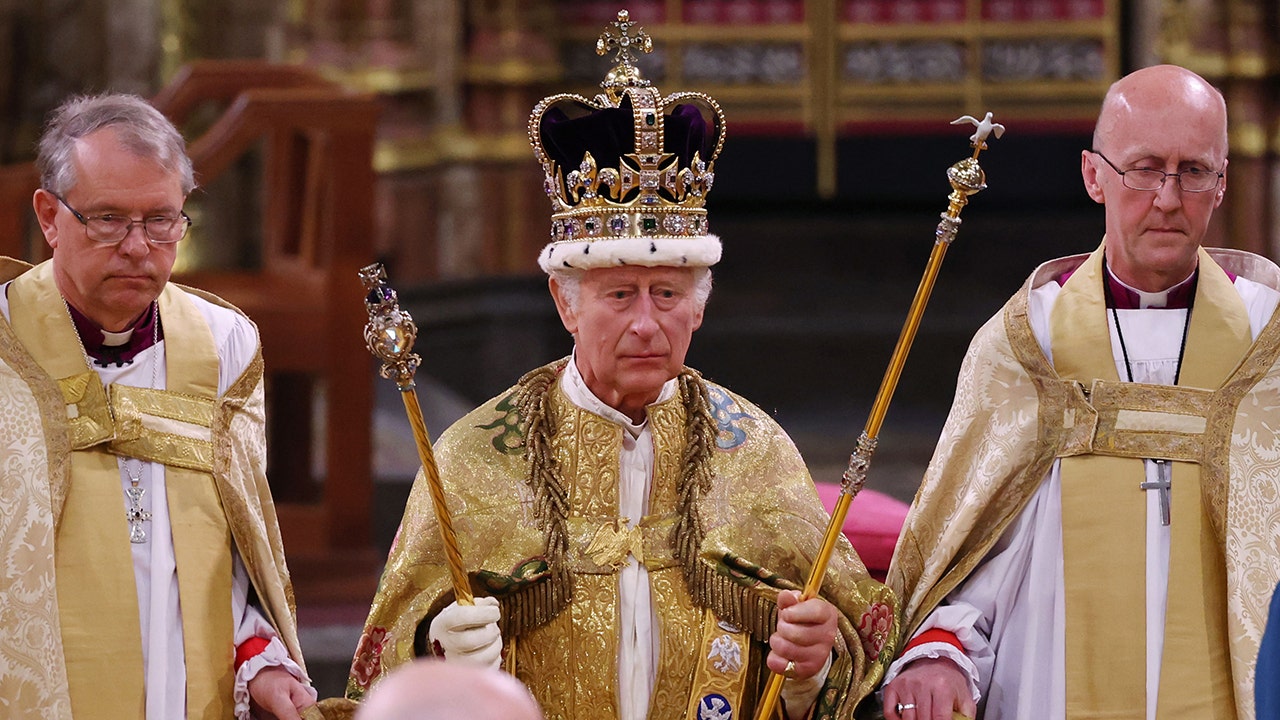
The UK Green Party has stated it would move to disestablish the Church of England if it forms a government following the next general election (due no later than August 2029). A Green Party policy document quoted in coverage says: "No person shall hold office in the state, or be excluded from any such office, by virtue of their or their spouse's membership or non-membership of any religion or denomination of religion." Critics and commentators argue this would remove a centuries-old constitutional link between church and state and alter Britain’s cultural traditions. Supporters of the Greens say their platform will focus on issues such as the climate crisis, cost of living, and public services; a party spokesperson said detailed plans will be set out closer to an election. Commentators noted the timing follows the House of Lords (Hereditary Peers) Act 2026, which removed hereditary peers from Parliament and has left the 26 bishops' seats (Lords Spiritual) exposed to potential reform. Polling cited in the article shows the Greens rising in some measures (placing second behind Reform UK in a YouGov poll and polling strongly with 18–24-year-olds in another). The article includes critical reactions from figures such as Michael McManus of the Henry Jackson Society and a private comment by John Cleese referenced on social media, and highlights other controversies around Green leader Zack Polanski.
Biblical Reflection
From a Christian perspective, this is primarily a constitutional and civic question about the proper relationship between church and state, not solely a theological one. Christians should note three things: (1) Distinguish cultural heritage from the gospel — preserving national traditions that reflect Christian history is understandable, but those traditions are not identical with the life-changing claims of Christ. (2) Evaluate motives and likely effects honestly — advocates frame disestablishment as advancing equality and neutrality in public office; opponents frame it as eroding a Christian moral framework. Both frames can contain partial truths and partisan bias. The article’s tone and selection of quotes lean toward alarm (emphasizing loss of "Christian roots" and using words like "assault"), which can inflame fear rather than foster reasoned public conversation. Watch for rhetorical moves that equate constitutional change with spiritual defeat or that import cultural anxieties (e.g., worries about religious replacement) into the analysis without evidence. Scripture calls Christians to be both wise in civic engagement and loving in public witness; the Christian response should include clear teaching about the lordship of Christ over every area of life, faithful civic participation, and compassionate dialogue with neighbors of differing convictions. Pray for truth, religious freedom for all, and a public square ordered by justice and mercy rather than by partisan fear.
Scripture in context
This outlook does not yet include contextual Scripture citations. Do not treat a general biblical theme as an exegetical conclusion.
Faithful Response
No prescribed response is offered. Consider the reflection prompts below in your own church context.
Reflection and Discussion
- 1Is the coverage framing disestablishment primarily as an attack on faith or as a constitutional reform? Which evidence in the article supports either framing?
- 2Are appeals to national "Christian roots" being used to defend cultural traditions or to protect the church's prophetic and pastoral role? How do those two concerns differ?
- 3What practical effects would removing the Church of England's established status have on religious freedom, public worship, and the church’s social ministries — and are these effects being discussed in the article or omitted?
Sources
Reporting links are evidence inputs; Sanctuary News' biblical reflection is commentary.
This outlook currently relies on fewer than two linked sources. Broaden verification before teaching from it.
- 1.Original reportprimary