News Summary
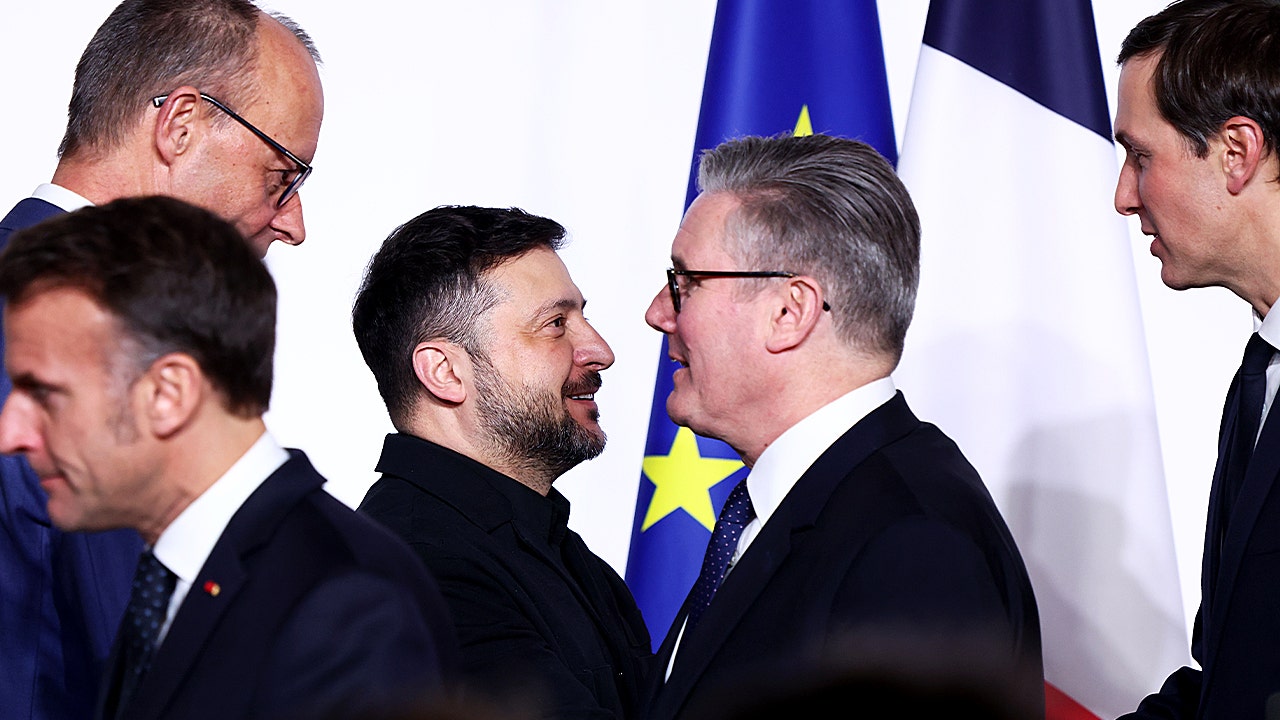
The article reports on a new security pact signed by the United Kingdom and France, alongside support from the United States and other allied partners, to provide security guarantees for Ukraine in the context of its ongoing conflict with Russia. The agreement, unveiled in Paris by the so-called Coalition of the Willing, establishes a framework for lasting peace based on international law and United Nations principles. It asserts Ukraine’s sovereignty and right to self-defense as non-negotiable and outlines the deployment of a multinational European-led force to Ukraine upon the establishment of a ceasefire. The United States is to lead the ceasefire monitoring and verification mechanism and participate in a special commission to address breaches. Coalition members also pledged ongoing military, diplomatic, and economic support for Ukraine, including training, intelligence sharing, and the creation of a permanent coordination cell in Paris. The announcement followed high-level talks attended by political leaders and diplomats from the involved nations.
Biblical Reflection
Through the lens of Scripture, peacemaking is always a virtue to be pursued: "Blessed are the peacemakers, for they shall be called sons of God" (Matthew 5:9). The efforts by the UK, France, and the US to establish a framework for peace in Ukraine and deter further aggression reflect a desire to protect the vulnerable and uphold justice—values that are consistent with biblical teaching. However, the reliance on military force, even for peacekeeping, reminds us of the paradox in a fallen world: true and lasting peace cannot be achieved through human means alone. Scripture reminds us that all nations are ultimately under God's sovereignty (Psalm 2), and that human efforts at peace must be accompanied by humility, justice, and a longing for reconciliation, not merely deterrence or self-interest. The commitment to defend the oppressed is commendable (Proverbs 31:8-9), but Christians should also pray for a peace that transforms hearts and relationships, not just borders and ceasefires. The ongoing conflict is a sobering reminder of sin’s destructive power and our need for Christ, the Prince of Peace, to heal what human agreements cannot.
Scripture in context
This outlook does not yet include contextual Scripture citations. Do not treat a general biblical theme as an exegetical conclusion.
Faithful Response
No prescribed response is offered. Consider the reflection prompts below in your own church context.
Reflection and Discussion
- 1How can we, as followers of Christ, support efforts toward just peace while also praying for the transformation of hearts involved in conflict?
- 2What does it mean to be a peacemaker in a world where peace often depends on military power?
- 3In what ways can we advocate for the vulnerable and oppressed while trusting in God’s ultimate plan for justice and peace?
Sources
Reporting links are evidence inputs; Sanctuary News' biblical reflection is commentary.
This outlook currently relies on fewer than two linked sources. Broaden verification before teaching from it.
- 1.Original reportprimary