News Summary
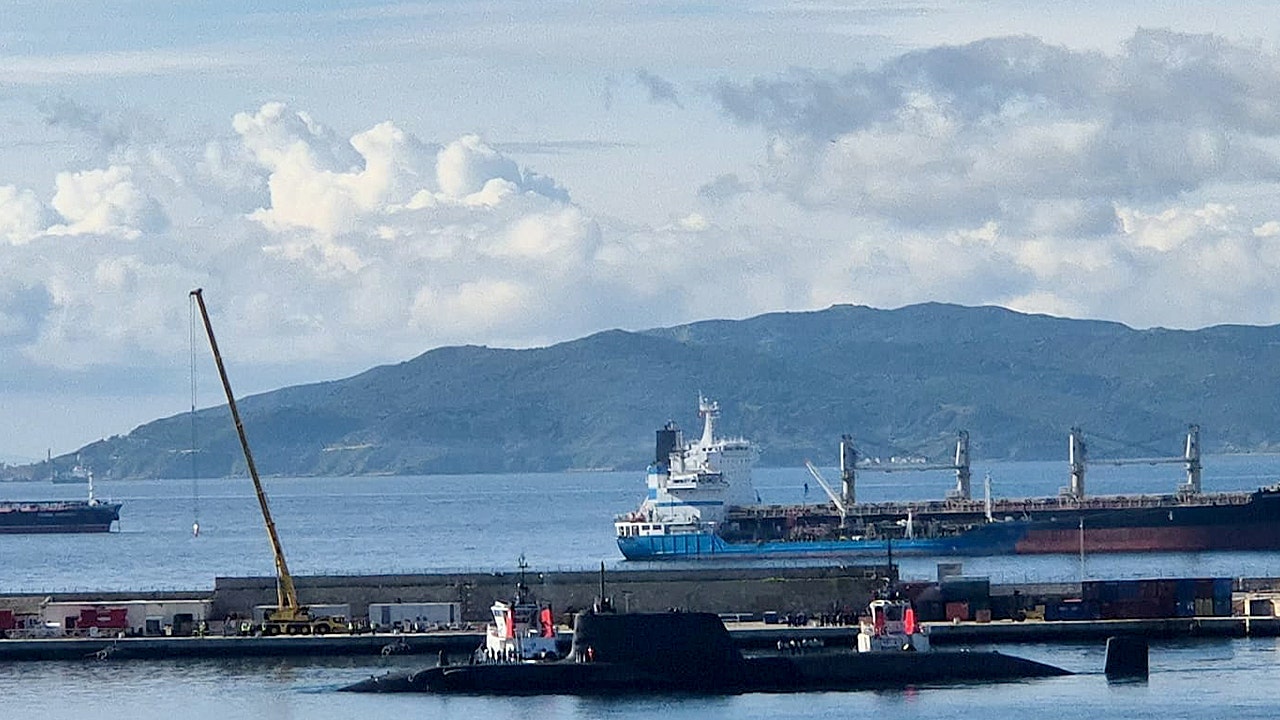
Reports say the Royal Navy nuclear-powered submarine HMS Anson was deployed from near Perth, Australia, to the northern Arabian Sea in March, carrying Tomahawk cruise missiles and heavyweight torpedoes. The deployment positions Britain to respond quickly if regional tensions escalate; the sub reportedly surfaces periodically to maintain communications with London. The move followed the U.K.’s authorization for the United States to use British bases for defensive operations aimed at degrading Iranian missile capabilities that have threatened shipping. Tensions rose after Iran allegedly launched two ballistic missiles toward Diego Garcia—neither of which reached the base; one failed and another was intercepted. Iran’s foreign minister warned Britain that allowing U.S. use of its bases would be seen as “participation in aggression.” Downing Street says Britain did not take part in initial offensive strikes and seeks to avoid being drawn into a wider war. The U.K. Ministry of Defence says RAF assets remain engaged in defensive operations and in countering Iranian drone threats while coordinating with allies.
Biblical Reflection
Scripturally, this story sits in a difficult moral tension between the biblical call to pursue peace and the responsibility to protect the vulnerable. Jesus blesses peacemakers (Matthew 5:9), and Scripture urges believers to seek peace where possible (Romans 12:18). At the same time, governments bear a role in maintaining order and defending life (cf. Romans 13:1–4). The deployment of a submarine and the authorization to use bases for defensive operations can be seen as measures intended to deter further aggression and protect shipping and personnel. Yet the risk of escalation—and of rhetoric that frames cooperation as ‘participation in aggression’—reminds us that military moves can inflame fear, pride, and retaliatory cycles.
A biblical posture toward such news should include sober discernment, humility, and prayer. Christians should be wary of triumphalism or delight in military posturing; equally, they should not be blind to legitimate efforts to protect civilians and maintain justice. Leaders and nations must weigh whether actions genuinely aim to prevent harm and restore peace or whether they primarily assert power and provoke deeper conflict. The church’s calling is to advocate for peaceful resolutions, care for those who suffer from conflict, pray for wisdom for political and military leaders, and hold fast to gospel virtues—justice, mercy, and humility—while recognizing the messy reality of international affairs.
Scripture in context
This outlook does not yet include contextual Scripture citations. Do not treat a general biblical theme as an exegetical conclusion.
Faithful Response
No prescribed response is offered. Consider the reflection prompts below in your own church context.
Reflection and Discussion
- 1How can I pray for wisdom and restraint for leaders on all sides as tensions rise in the region?
- 2In what practical ways can my church be a peacemaker or provide care amid international conflict?
- 3How do I discern when defensive action is responsible stewardship and when it risks provoking greater harm?
Sources
Reporting links are evidence inputs; Sanctuary News' biblical reflection is commentary.
This outlook currently relies on fewer than two linked sources. Broaden verification before teaching from it.
- 1.Original reportprimary