News Summary
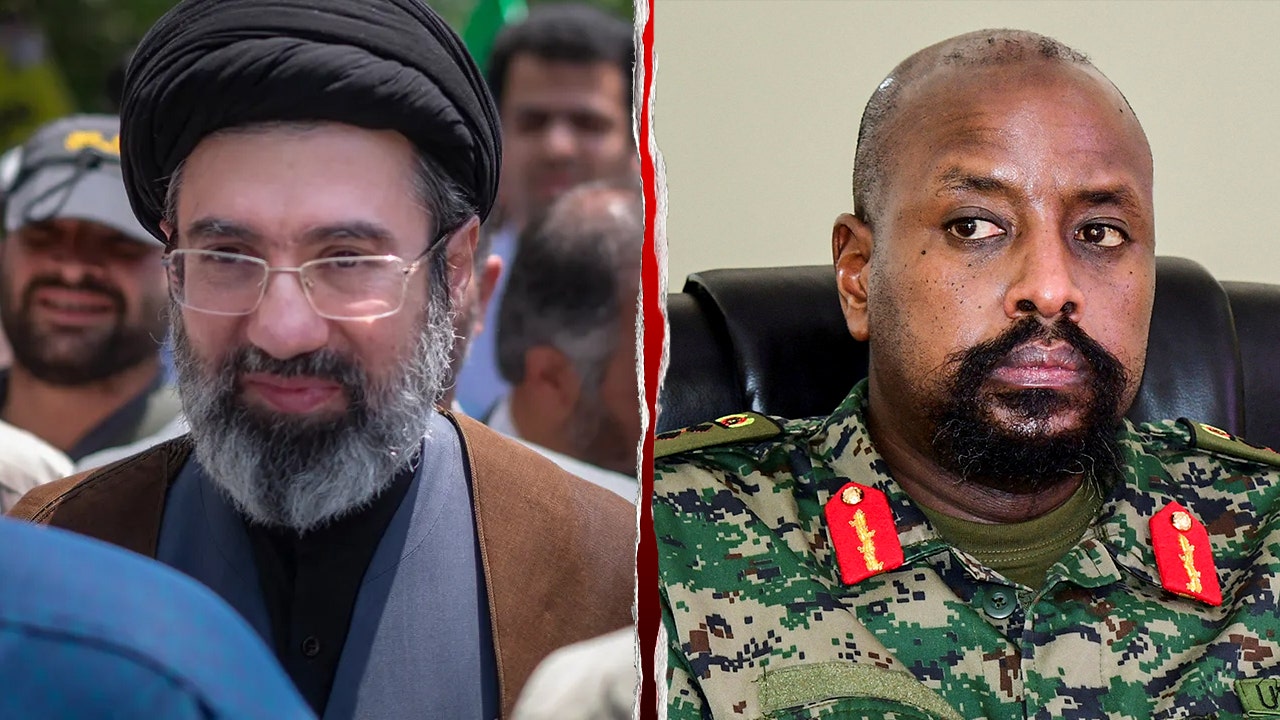
Gen. Muhoozi Kainerugaba, commander of the Uganda People's Defence Force and son of President Yoweri Museveni, posted a series of messages on X this week expressing strong support for Israel. In those posts he said Uganda could enter the ongoing Israel–Iran/Israel–Middle East conflict on Israel’s side if rhetoric about destroying Israel continues. He framed Uganda’s support partly in religious terms (“We stand with Israel because we are Christians”) and referenced historical ties between Uganda and Israel, including the 1976 Entebbe raid and the death of Yonatan Netanyahu. Muhoozi also posted a preview image of a planned statue of Yonatan Netanyahu at Entebbe. The article notes Uganda’s active and reserve troop numbers and its current deployments in Somalia and eastern DRC, describes existing security and training ties between Israel and Uganda, and reports that Muhoozi’s posts went viral on social media. The piece identifies Muhoozi as a likely successor to President Museveni but does not provide evidence of formal government or parliamentary approval to send Ugandan forces into a new foreign war.
Biblical Reflection
This story pairs explicit military threats with religious language and political positioning. From a Christian perspective, several points deserve careful discernment. First, public declarations by a military leader on social media are rhetorically powerful but not the same as an enacted foreign-policy decision; treat the statements as a mix of political signaling, domestic positioning, and external posturing rather than as an automatic change in national action. Second, Muhoozi’s explicit use of Christian identity to justify a potential war raises theological and ethical questions. Scripture honors care for the people of Israel and recognizes God’s dealings with nations, but it also repeatedly calls God’s people to pursue justice, mercy, humility, and peace (e.g., Matthew 5:9; Romans 12:17-18). Conflating national or dynastic ambition with the gospel risks turning faith into a badge for partisan or militaristic ends. Third, Christians should weigh the likely human cost and broader consequences of escalation; a posture that elevates military pride or revenge stands in tension with Christlike calls to love enemies and seek reconciliation. Finally, be alert to media framing and leaders’ motives: the article emphasizes viral social media posts, historical symbolism (Entebbe), and Muhoozi’s succession prospects — all of which can shape public perception differently than sober strategic analysis. Pray for truth, restraint, and leaders who value peace and the protection of the vulnerable.
Scripture in context
This outlook does not yet include contextual Scripture citations. Do not treat a general biblical theme as an exegetical conclusion.
Faithful Response
No prescribed response is offered. Consider the reflection prompts below in your own church context.
Reflection and Discussion
- 1When political or military leaders invoke religious identity to justify conflict, how should Christians discern whether that invocation reflects biblical conviction or political calculation?
- 2What signs in public rhetoric indicate posturing for domestic political advantage rather than irreversible policy action, and why does that distinction matter ethically?
- 3How does the biblical call to be peacemakers shape a Christian assessment of national alliances, military threats, and symbolic acts (statues, commemorations) connected to historical wounds?
Sources
Reporting links are evidence inputs; Sanctuary News' biblical reflection is commentary.
This outlook currently relies on fewer than two linked sources. Broaden verification before teaching from it.
- 1.Original reportprimary