News Summary
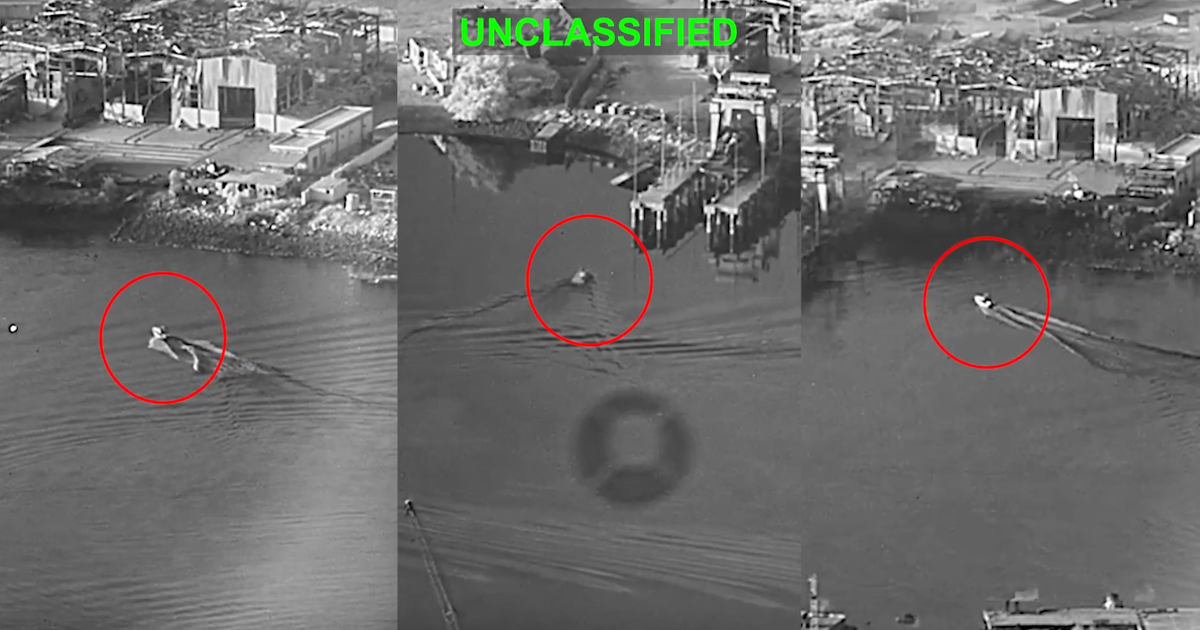
On July 14, 2026, U.S. Central Command (CENTCOM) said U.S. forces used multiple one-way sea surface drones to strike a submarine and ship maintenance facility at Iran's Bandar Abbas Naval Base in the Strait of Hormuz. CENTCOM released aerial video showing three small sea drones approaching a raised dock and exploding; the extent of damage is unclear from the footage, though explosions produced large plumes of smoke and at least one visible fire. CENTCOM described the strike as successful and said it degraded Iran's ability to attack commercial shipping. Texas-based manufacturer Saronic and CENTCOM identified the 24-foot Corsair Autonomous Service Vehicle as the drone used; Saronic said its technology supported the mission and cited the vessel's published capability of carrying up to 1,000 pounds more than 1,000 nautical miles at speeds up to 35 knots. The company unveiled the Corsair in October 2024 and announced a $392 million production contract with the U.S. Navy in December 2025. The article notes parallels with sea-drone use in the Russia–Ukraine war and includes a CENTCOM statement about rapidly operationalizing new capabilities for forces deployed to the region.
Biblical Reflection
The article reports a major tactical development: the U.S. has used one-way sea drones in combat against Iranian naval infrastructure. The primary claims come from military and industry sources and the evidence released (video) does not independently verify the full effects or Iran's side of the story. The framing emphasizes mission success and protection of commercial shipping, which is a legitimate public good; however, it also normalizes rapid deployment of new, remote weapon systems and highlights the pride of a manufacturer in its role. From a Christian perspective, we should probe both the justice of the action and its prudence: protecting innocents and commerce can be a valid motive, yet use of force requires clear, verifiable evidence, proportionality, accountability, and continual pursuit of peaceful alternatives. There is a risk that remote, automated weapons lower the threshold for kinetic action and make conflict more technological and less humanly costly to decision‑makers while increasing danger to regional stability and noncombatants. The article lacks independent verification and alternative viewpoints, which cautions readers to avoid uncritical acceptance of military claims. Christians are called to seek truth, advocate for the protection of noncombatants and seafarers, insist on transparency and accountability from leaders, and pray for restraint and de-escalation so that long-term peace—not merely tactical advantage—is pursued.
Scripture in context
This outlook does not yet include contextual Scripture citations. Do not treat a general biblical theme as an exegetical conclusion.
Faithful Response
No prescribed response is offered. Consider the reflection prompts below in your own church context.
Reflection and Discussion
- 1What independent information is missing that would help verify CENTCOM's claims, and whose voices (Iranian authorities, neutral monitors, seafarers) are not heard in this report?
- 2Does the increasing use of remote, one-way weapons make it easier for nations to strike without full accountability, and how should Christians weigh technological advantage against the call to restraint?
- 3How does this action serve the long-term common good—security, justice, and peace—in the region versus the short-term goal of degrading a threat?
Sources
Reporting links are evidence inputs; Sanctuary News' biblical reflection is commentary.
This outlook currently relies on fewer than two linked sources. Broaden verification before teaching from it.
- 1.Original reportprimary