News Summary
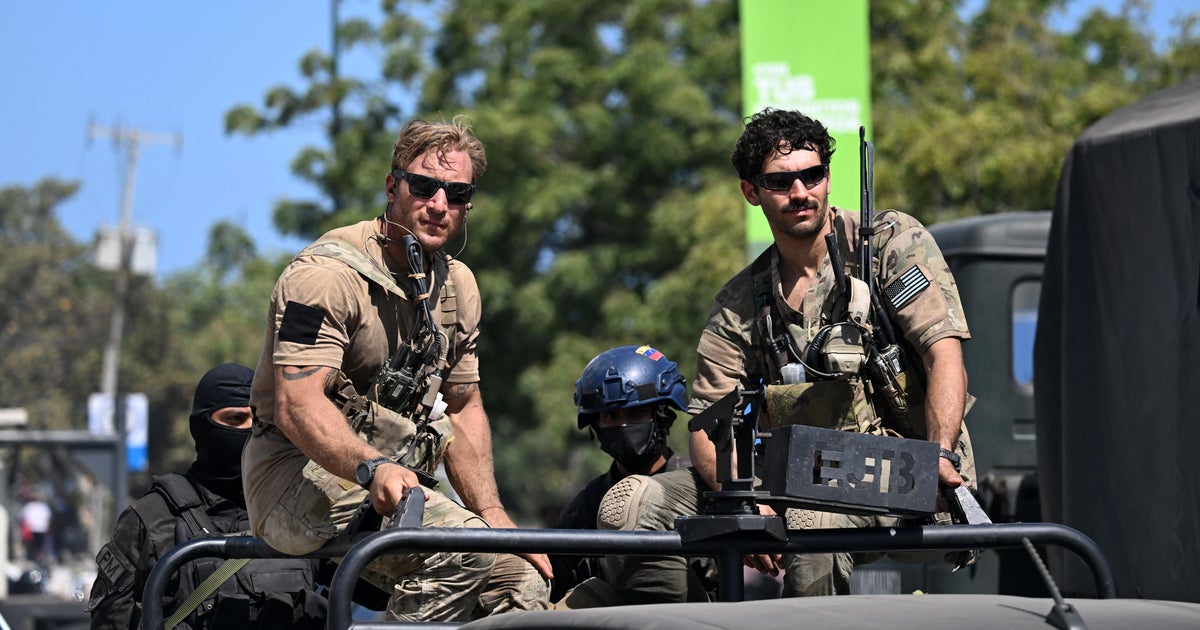
The article reports that roughly 2,000 U.S. service members are operating by land, air and sea to support search, rescue and recovery after two powerful earthquakes in Venezuela (magnitude 7.2 and 7.5). Venezuelan government figures cited in the piece place the death toll at over 2,000 with more than 10,000 injured; a NASA satellite assessment (noted in the article description) estimated almost 60,000 buildings damaged or destroyed. U.S. Southern Command and U.S. Embassy officials said the U.S. sent about 310 urban search-and-rescue specialists, has flown in specialized medical and logistics teams (including a surgical unit and Marine logistics company with water purification capability), and provided over $300 million in humanitarian assistance. The article says five survivors have been rescued by U.S. teams, including a mother and toddler. Officials emphasized the critical 3–7 day window for finding living survivors in rubble and described ongoing tasks such as debris removal, sanitation, water and energy restoration. The piece also references prior U.S. actions and policy planning toward Venezuela, noting an earlier U.S. military operation in January and a three-phase U.S. plan for stabilization and economic recovery described by U.S. officials.
Biblical Reflection
From a Christian pastoral perspective, the immediate U.S. military involvement to save lives and deliver aid reflects mercy and neighbor-love in action — sending trained people, medical care, water and supplies to relieve acute human suffering. That compassion is worthy of affirmation and prayer. At the same time, the coverage centers U.S. officials and military assets, and it links humanitarian response to broader geopolitical context and prior operations; readers should be aware that public relief efforts can be accompanied by political aims or narratives that shape how help is framed. Truth-seeking requires attention to sources (Venezuelan government casualty figures, U.S. military statements, and outside satellite assessments) and to what is not said: the needs and voices of local responders, the long-term recovery capacity inside Venezuela, and how aid will be coordinated with local authorities. Christian discernment here calls for celebrating tangible mercy while remaining humble and watchful about politicization of suffering, insisting that aid prioritize the vulnerable and be delivered with transparency, respect for local dignity, and a posture of service rather than dominance.
Scripture in context
This outlook does not yet include contextual Scripture citations. Do not treat a general biblical theme as an exegetical conclusion.
Faithful Response
No prescribed response is offered. Consider the reflection prompts below in your own church context.
Reflection and Discussion
- 1Is the reporting centered more on the needs and dignity of Venezuelans or on the actions and reputation of foreign actors providing aid?
- 2How might geopolitical history between governments shape public perception of foreign military-led relief, and what signs would show the aid is primarily humanitarian rather than political?
- 3What structures (local, international, church-based) will most sustainably meet long-term recovery needs beyond the immediate rescue window?
Sources
Reporting links are evidence inputs; Sanctuary News' biblical reflection is commentary.
This outlook currently relies on fewer than two linked sources. Broaden verification before teaching from it.
- 1.Original reportprimary