News Summary
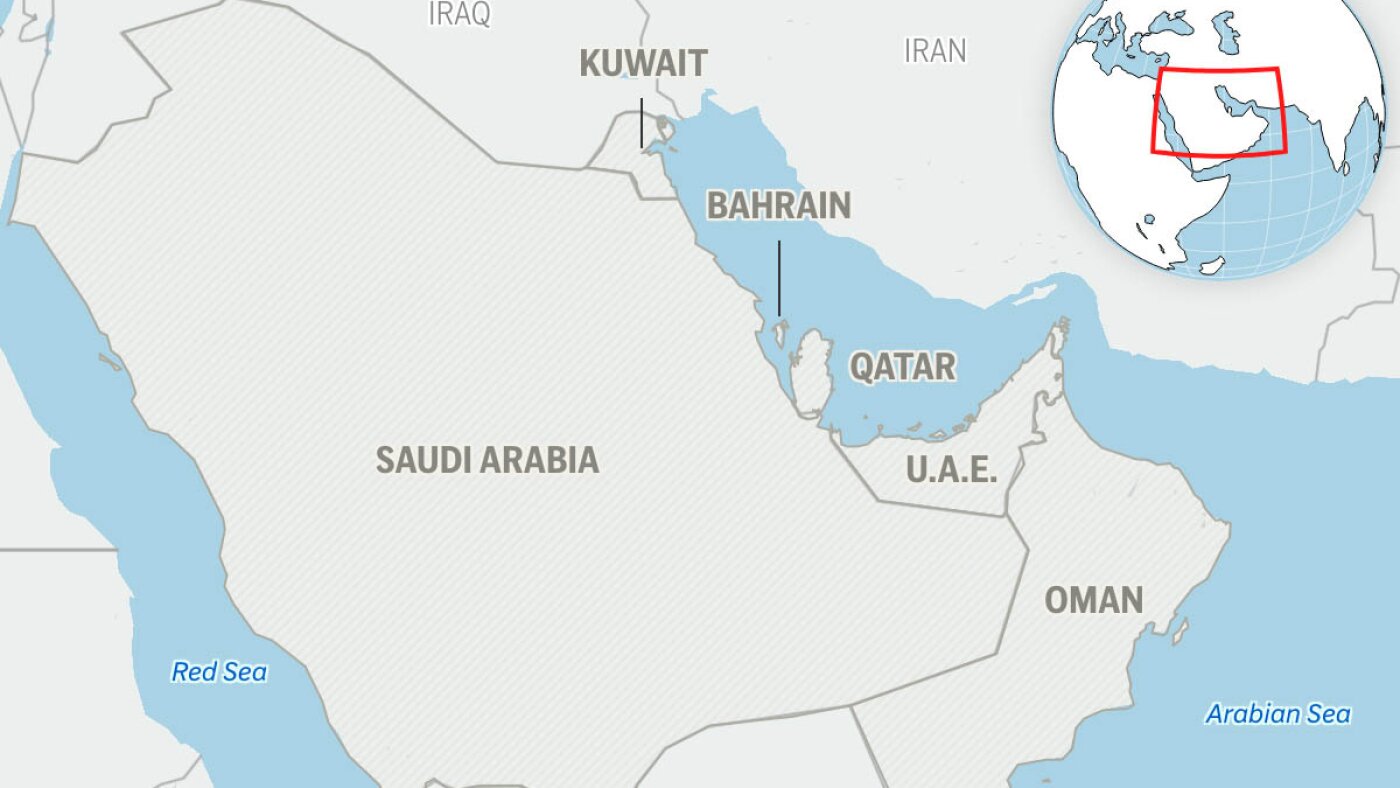
U.S. Central Command said U.S. forces carried out strikes on Iranian radar and drone-control sites near Geruk and on Qeshm Island after Iran shot down an American MQ-1 Predator drone that the U.S. said was operating over international waters. Central Command said American aircraft eliminated Iranian air defenses, a ground control station, and two one-way attack drones and that no American service members were injured. Iran acknowledged launching a retaliatory strike; its Islamic Revolutionary Guard Corps issued a statement and state media later broadcast footage of a ballistic missile with a political sticker. Kuwait reported that its air defenses fired to intercept incoming drone and missile fire and suggested the strikes were connected to regional exchanges; Kuwait hosts U.S. Army Central. The events occurred amid a fragile, weekslong ceasefire in the broader Iran conflict, continued disruptions to shipping through the Strait of Hormuz, and wider clashes in the region including cross-border activity involving Israel and Hezbollah. U.S. officials and Iranian representatives have said negotiations over extending the ceasefire and other issues continue. Separately, the U.S. said it fired on a Gambia-flagged cargo ship it said was attempting to break Iran's blockade of ports. President Donald Trump met with advisers and posted optimistic comments about talks on his social platform.
Biblical Reflection
This report describes a rapid cycle of action and reprisal between nation-states and paramilitary forces. From a Christian perspective, the facts reveal how quickly military responses can escalate and how symbolic messaging (images, stickers, public statements) deepens hostility. The article centers official military and government claims; independent verification of some details (locations, intent, civilian impact) is limited in the reporting, so readers should note the asymmetry of information that often accompanies conflict coverage. Spiritually, Christians are called to weigh the pursuit of security with a commitment to peace, truth, and care for the vulnerable. Retaliatory strikes may be presented as measured or defensive, but the practical results—risk to civilians, regional destabilization, and disruption of essential supplies—require sober moral scrutiny. The story invites Christians to pray for restraint, support truthful reporting, and advocate for diplomatic avenues that protect innocent life and reduce suffering. At the same time, discernment is needed about patriotic rhetoric and imagery that can dehumanize opponents and harden hearts against reconciliation.
Scripture in context
This outlook does not yet include contextual Scripture citations. Do not treat a general biblical theme as an exegetical conclusion.
Faithful Response
No prescribed response is offered. Consider the reflection prompts below in your own church context.
Reflection and Discussion
- 1Whose voices and experiences are missing from this account (for example, civilians, humanitarian responders, or independent observers), and how does that absence shape our understanding?
- 2Are official statements being reported as fact without sufficient verification, and how should that affect our confidence in the narrative?
- 3How does the framing of national security versus peacemaking challenge Christians to prioritize truth, mercy, and the protection of the vulnerable?
Sources
Reporting links are evidence inputs; Sanctuary News' biblical reflection is commentary.
This outlook currently relies on fewer than two linked sources. Broaden verification before teaching from it.
- 1.Original reportprimary