News Summary
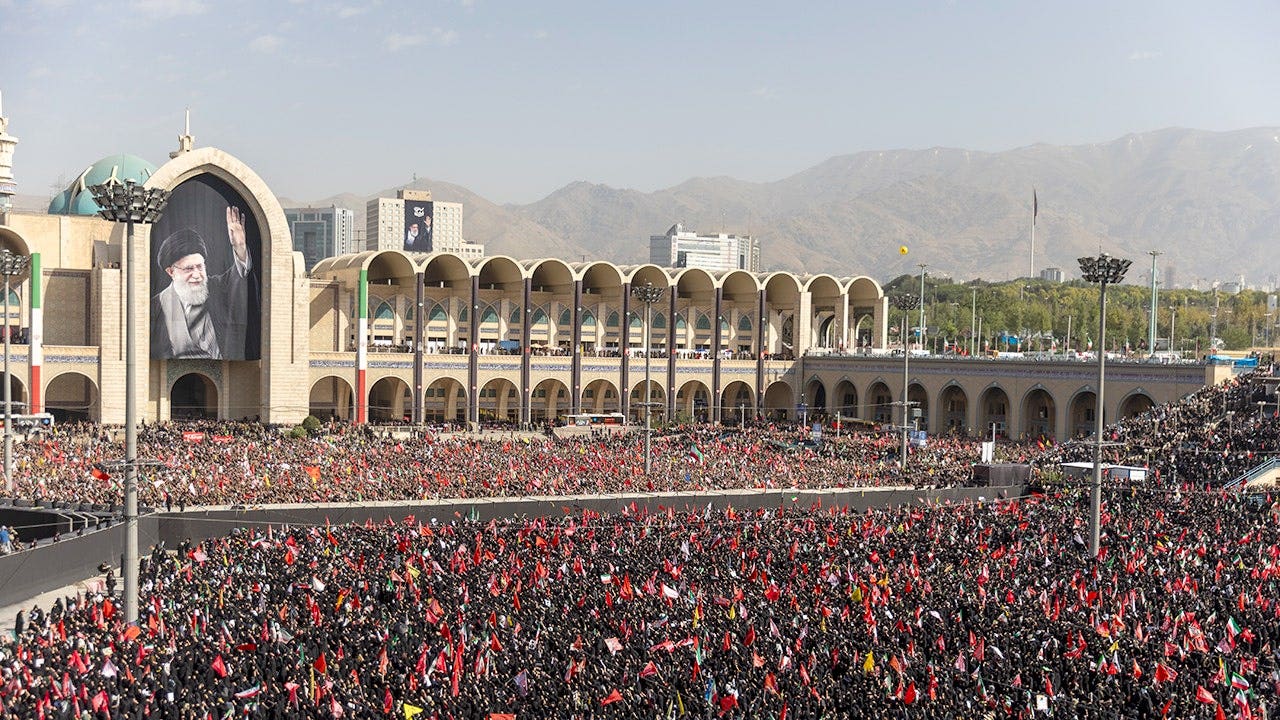
U.S. Central Command announced additional strikes on Iranian targets on July 7–8, 2026, stating the operations aimed to degrade Iran's ability to threaten commercial shipping and mariners in the Strait of Hormuz. CENTCOM said roughly 80 targets were struck on July 7 (including more than 60 IRGC small boats) and about 90 targets on July 8, striking air defenses, coastal surveillance, missile and drone storage, naval capabilities, and logistics infrastructure along Iran's coastline. Iranian officials, including MP Ebrahim Rezaei and Parliament Speaker Mohammad Bagher Ghalibaf, posted warnings on X saying Iran would respond — using phrases translated as a 'hard slap' and 'if you strike, you'll get hit.' Kuwait and Bahrain reported intercepting missiles and drones in their airspace and said their air defenses responded to attacks. The article notes President Trump declared a ceasefire deal 'over' following the strikes. The reporting cites CENTCOM statements and automatic translations of Persian-language social-media posts.
Biblical Reflection
This report describes kinetic U.S. military actions and sharp verbal responses from Iranian officials, with nearby Gulf states reporting air defense activity. The immediate intention from the U.S. side is presented as protecting freedom of navigation and imposing costs for attacks on commercial shipping; Iranian statements intend deterrence and domestic signaling of strength. The article relies on official military releases and automated translations of inflammatory rhetoric; those sources can be accurate about actions but may not capture full context, intent, or civilian impact. From a Christian perspective, the prevalence of military strikes and threats highlights the tragic human cost of escalation: civilian mariners, port communities, and ordinary people in the region bear disproportionate risk. Rhetoric that frames adversaries as enemies to be humiliated or 'slapped' dehumanizes and makes reconciliation harder. Christians are called to seek truth (carefully weighing translations and official claims), to mourn those endangered, and to plead for restraint and protection of innocent life. At the same time, truth requires acknowledging legitimate security concerns about attacks on noncombatant shipping. Pastoral discernment here means resisting partisan triumphalism, asking whether actions are measured and discriminate, and praying for leaders to choose paths that minimize harm and open space for peaceful resolution.
Scripture in context
This outlook does not yet include contextual Scripture citations. Do not treat a general biblical theme as an exegetical conclusion.
Faithful Response
No prescribed response is offered. Consider the reflection prompts below in your own church context.
Reflection and Discussion
- 1Whose lives and perspectives are absent in this coverage — especially seafarers, coastal civilians, and ordinary people inside Iran and Gulf states?
- 2How much does reliance on military press releases and automated translations shape our view of causality and justification for the strikes?
- 3Are the public threats intended primarily as military deterrence, domestic political messaging, or both — and how does that affect the risk of miscalculation?
Sources
Reporting links are evidence inputs; Sanctuary News' biblical reflection is commentary.
This outlook currently relies on fewer than two linked sources. Broaden verification before teaching from it.
- 1.Original reportprimary