News Summary
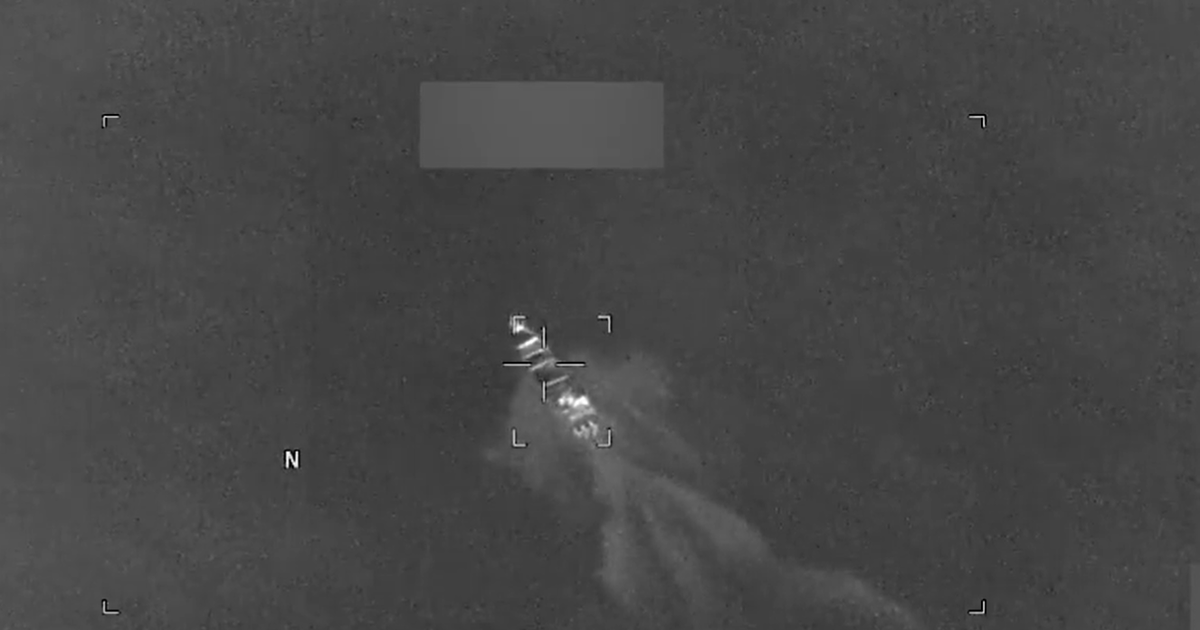
On June 22, 2026, U.S. Southern Command reported a U.S. military strike in the eastern Pacific on a vessel it accused of smuggling drugs; the Defense Department said two people were killed and six survived. It is unclear whether the survivors were rescued. The strike is part of a campaign of more than 60 U.S. attacks on suspected drug-smuggling boats that the government says have killed more than 210 people since the campaign began in early September. SOUTHCOM said it targeted vessels along known smuggling routes but did not provide evidence that the struck vessel was carrying drugs. A video posted online shows a boat struck and bursting into flames. The Trump administration has described the U.S. as in "armed conflict" with drug cartels and has defended the strikes as necessary to curb drug flows; critics question the strikes' legality and effectiveness and note that much fentanyl in the U.S. is trafficked over land from Mexico. Lawmakers have requested unedited video from earlier strikes, and some have raised whether follow-on strikes on survivors could amount to war crimes. The Pentagon inspector general said it will review whether the strikes followed the six-phase Joint Targeting Cycle framework, but that review will not determine the strikes' legality. The U.S. Coast Guard was notified in at least some cases; the Coast Guard suspended a search after a June 16 strike with no signs of survivors or debris.
Biblical Reflection
From a Christian perspective, this report raises serious moral and civic questions. The stated aim—reducing drug deaths at home—is a legitimate public good, but lethal force must be judged against truth, accountability, and the protection of human life. The military's limited public evidence and the use of broad labels like "narcoterrorists" risk dehumanizing those targeted and short-circuiting due process and careful oversight. Christians should be wary of narratives that justify lethal action without transparent proof and independent legal review, because righteousness calls us to both protect the vulnerable and uphold justice. At the same time, the article surfaces real pastoral concerns: lives lost at sea, potential civilian harm, regional tensions, and the failures of domestic and international drug policy. A faithful response holds competing goods together—pursuing public safety and the common good while demanding truth, restraint, repair for wrongdoing, and policies that address root causes of addiction and trafficking in humane ways.
Scripture in context
This outlook does not yet include contextual Scripture citations. Do not treat a general biblical theme as an exegetical conclusion.
Faithful Response
No prescribed response is offered. Consider the reflection prompts below in your own church context.
Reflection and Discussion
- 1What concrete evidence has been made public before lethal force is authorized, and who verifies it?
- 2Does framing suspected traffickers as an "enemy" make it easier to bypass legal safeguards and humanitarian norms?
- 3Are military strikes addressing the root causes of the drug crisis or risking escalation and civilian harm without clear long-term benefit?
Sources
Reporting links are evidence inputs; Sanctuary News' biblical reflection is commentary.
This outlook currently relies on fewer than two linked sources. Broaden verification before teaching from it.
- 1.Original reportprimary