News Summary
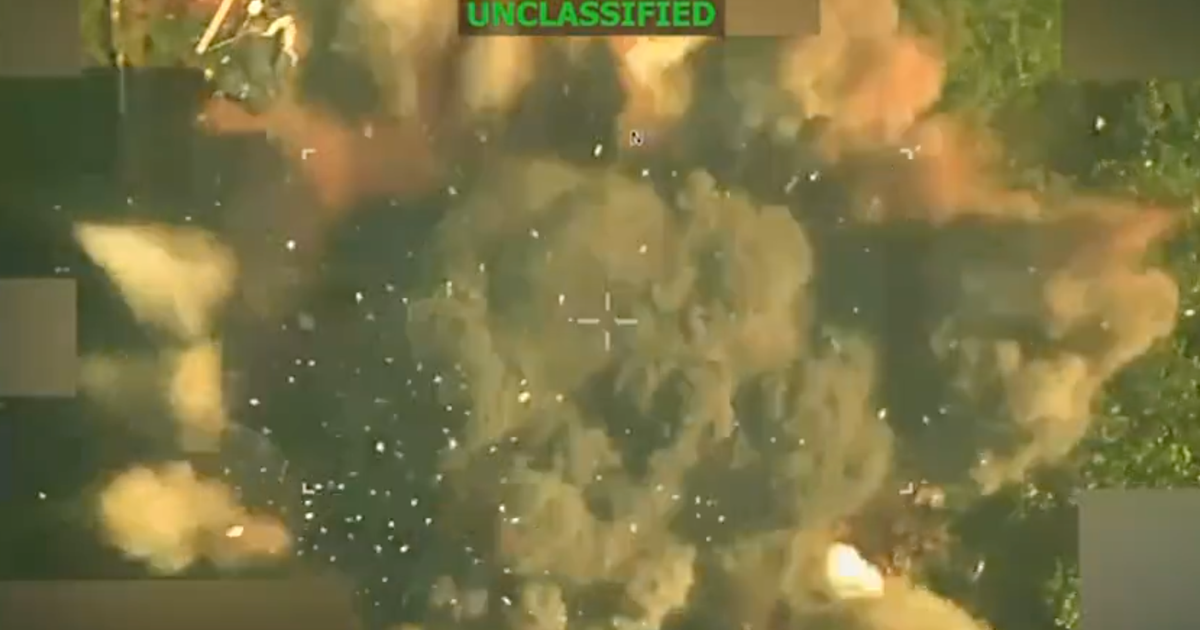
President Trump announced on social media that U.S. Southern Command conducted a "swift and lethal kinetic strike" earlier this week in Venezuela that killed Héctor Rusthenford Guerrero Flores (known as Niño Guerrero), the alleged leader of the Venezuela-based gang Tren de Aragua. The Venezuelan communications ministry issued a statement saying Guerrero Flores was killed in a “combined operation” between U.S. forces and Venezuelan security services on a Tren de Aragua compound in Bolívar state. U.S. Southern Command called Guerrero a "wanted fugitive." Guerrero was indicted in New York on charges including racketeering, providing material support to terrorists, and cocaine conspiracy; the State Department had offered up to $5 million for information leading to his capture. The article recounts Guerrero’s history as a leader who operated from Tocorón prison, his escapes (including escapes in 2012 and 2023), and allegations that Tren de Aragua expanded into a transnational criminal group. It notes this apparent U.S.-Venezuelan cooperation comes after earlier U.S. actions in Venezuela this year, including a military operation that removed Nicolás Maduro and subsequent engagement with Maduro’s former deputy Delcy Rodriguez. The piece also summarizes prior U.S. policy toward Tren de Aragua—terrorist designations, maritime strikes on suspected smuggling vessels, and use of the Alien Enemies Act with controversial deportations—and cites a National Intelligence Council assessment that found Venezuela does not direct Tren de Aragua, a point disputed publicly by U.S. officials.
Biblical Reflection
From a Christian discernment perspective, this report highlights the tension between pursuing justice and upholding the rule of law and human dignity. The article largely reports official claims from U.S. and Venezuelan authorities and includes factual background about indictments and past government actions; readers should note reliance on government statements and the absence of independent on-the-ground verification in the piece. The action aims to remove a violent criminal leader whose organization is accused of trafficking and violent abuses, which aligns with protecting the vulnerable. At the same time, the manner of the strike, questions about coordination with a recently changed Venezuelan government, and prior use of extraordinary legal tools (e.g., wartime statutes and expedited deportations) raise legitimate concerns about due process, transparency, the protection of noncombatants, and the potential politicization of security operations. Christian wisdom calls us to support efforts that protect neighbors from harm while demanding honesty, accountability, and mercy: insist on verifiable facts, respect for legal norms where possible, care for innocents caught in conflict, and caution against rhetoric that dehumanizes people or shortcuts lawful processes for political ends.
Scripture in context
This outlook does not yet include contextual Scripture citations. Do not treat a general biblical theme as an exegetical conclusion.
Faithful Response
No prescribed response is offered. Consider the reflection prompts below in your own church context.
Reflection and Discussion
- 1What independent evidence is available to verify official claims about the strike, the target’s role, and civilian impact?
- 2How does political rhetoric influence public perception of security threats, and are our responses shaped more by fear or by verified facts?
- 3When governments use extraordinary legal or military measures, what safeguards should Christians expect to protect the dignity and rights of those affected?
Sources
Reporting links are evidence inputs; Sanctuary News' biblical reflection is commentary.
This outlook currently relies on fewer than two linked sources. Broaden verification before teaching from it.
- 1.Original reportprimary