News Summary
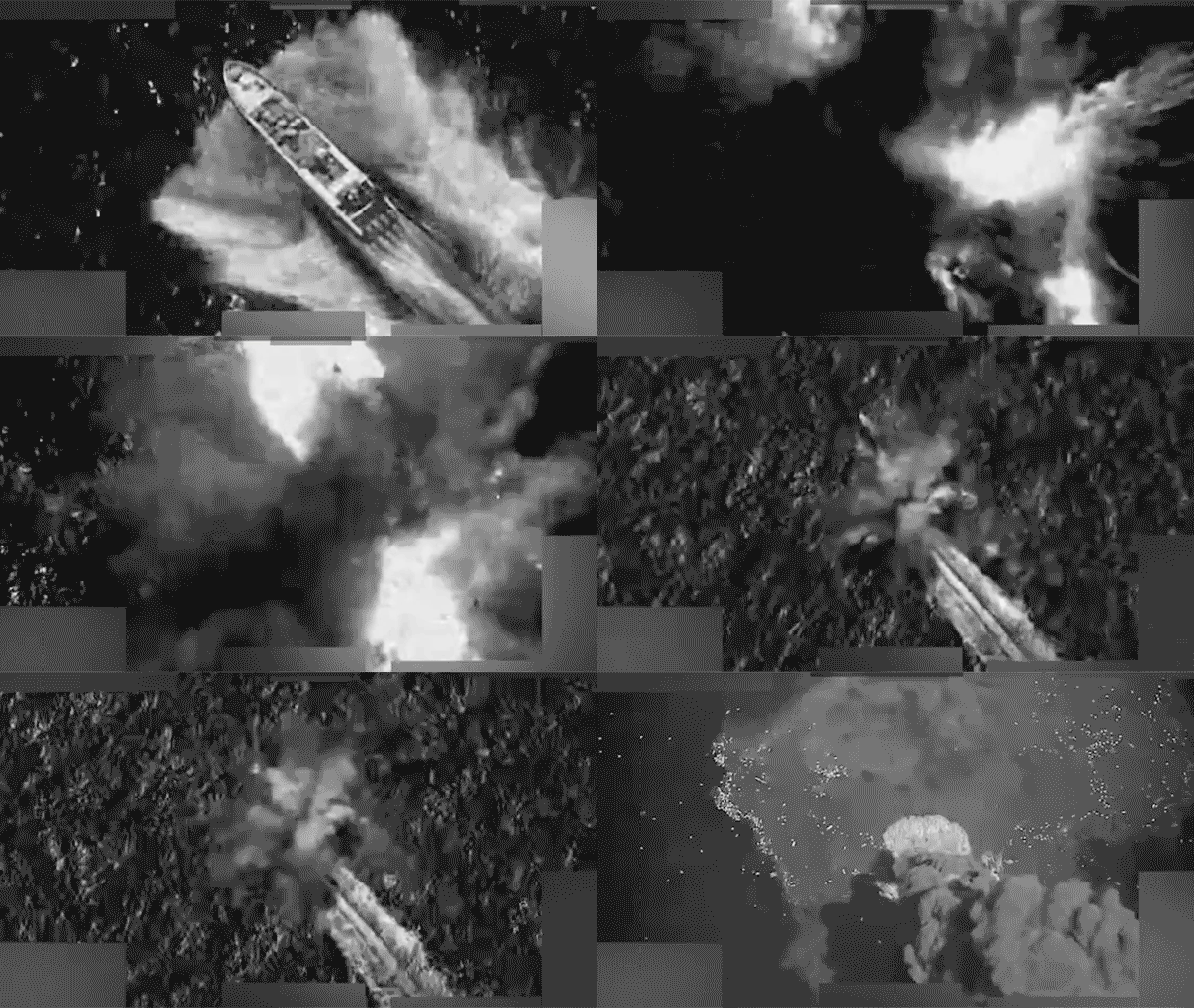
On June 18, 2026, U.S. Southern Command (SOUTHCOM) reported that Joint Task Force Southern Spear conducted a lethal strike on a vessel in the Eastern Pacific. SOUTHCOM described the vessel as operating along known narcotics‑trafficking routes and linked to designated terrorist organizations; the command said three men it labeled "narco‑terrorists" were killed. SOUTHCOM published video footage of a vessel before and after the strike and released images of floating debris. The location was described only as along known trafficking routes in the Eastern Pacific. SOUTHCOM said no U.S. personnel were harmed. The strike is one in a series of operations by the current administration's campaign against cartel‑linked networks; media reporting notes U.S. strikes against vessels since last September have resulted in at least 211 deaths. Lawmakers, legal experts, and human rights groups have raised questions about the legal basis, evidence released publicly, and the use of lethal military force against suspected traffickers outside a traditional battlefield.
Biblical Reflection
From a Christian perspective, this report raises multiple moral and spiritual questions. The state has a responsibility to protect the innocent and uphold justice, and disrupting violent, trafficking networks can reduce harm to communities. Yet the article shows limited public evidence and sparse transparency about how those targeted were identified, whether noncombatants were present, and what legal authority justified lethal force in international waters. Christians should be wary of narratives that frame lethal action in absolute terms without calling for accountability, due process where feasible, and clear evidence. The article's framing — using terms like "narco‑terrorists" and releasing dramatic footage — can encourage dehumanization and a sense that force alone is sufficient. A Christian wisdom posture calls for pursuing justice and the protection of neighbors while also demanding restraint, truthfulness, and compassion for all persons, including scrutiny of how power is used and whether alternatives to lethal force were exhausted. Finally, the longer campaign raises questions about the sustainability and unintended consequences of militarized approaches to transnational crime, and whether they advance lasting peace and restoration for affected communities.
Scripture in context
This outlook does not yet include contextual Scripture citations. Do not treat a general biblical theme as an exegetical conclusion.
Faithful Response
No prescribed response is offered. Consider the reflection prompts below in your own church context.
Reflection and Discussion
- 1What standards of evidence and legal authority should we expect public officials to disclose before using lethal force beyond traditional battlefields?
- 2How does dramatic military imagery in reporting shape our willingness to accept lethal action without demanding accountability or investigating potential civilian harm?
- 3Will sustained militarized strikes against trafficking networks address root causes and offer restoration for affected communities, or primarily displace harm?
Sources
Reporting links are evidence inputs; Sanctuary News' biblical reflection is commentary.
This outlook currently relies on fewer than two linked sources. Broaden verification before teaching from it.
- 1.Original reportprimary