News Summary
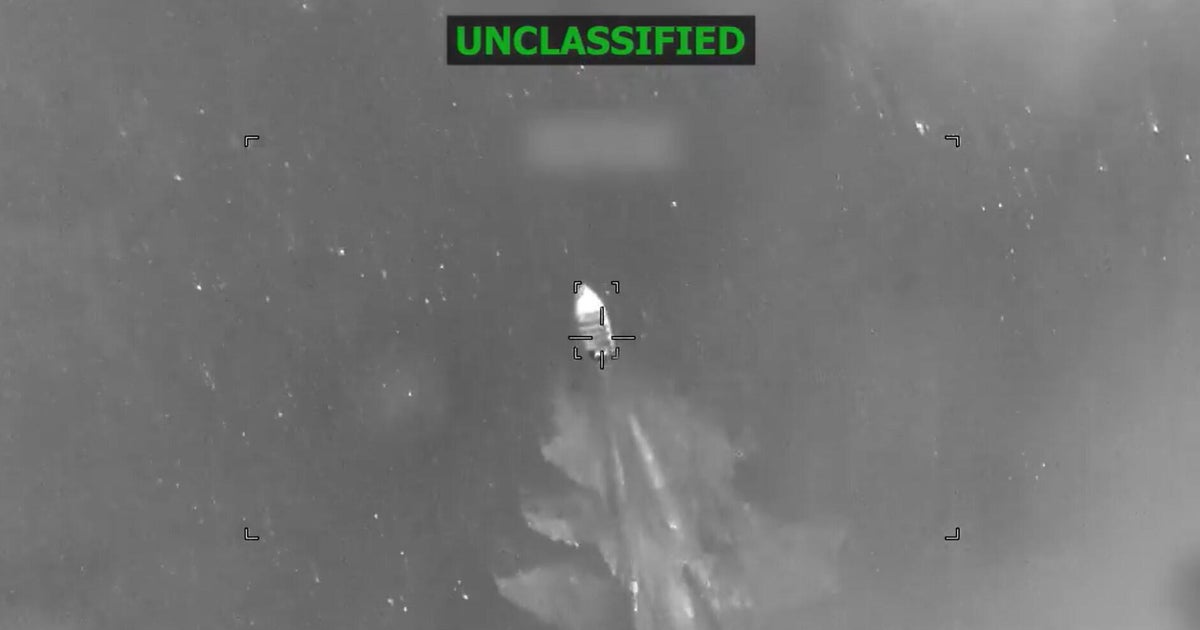
According to U.S. Southern Command, U.S. forces carried out a lethal strike on a vessel in the eastern Pacific on May 5, 2026, killing three men. Southern Command posted an unclassified video of the strike and said the vessel was suspected of operating on known smuggling routes, engaged in narco-trafficking, and operated by what it described as "Designated Terrorist Organizations." The Pentagon did not provide publicly released evidence that the boat was carrying drugs. The strike followed a separate strike the previous day in the Caribbean that U.S. forces said killed two people. The article states that this campaign of strikes against alleged drug-trafficking vessels began in early September, and that the Pentagon says the effort has resulted in at least 190 deaths in total. The administration has characterized the operations as an effort to counter "narcoterrorism" and has said the U.S. is in "armed conflict" with cartels; critics have raised questions about the legality of the strikes and the absence of public evidence in specific incidents. The report also references prior regional operations, including a January raid that led to the arrest and transfer to the U.S. of then-Venezuelan President Nicolás Maduro on drug-trafficking charges.
Biblical Reflection
From a Christian perspective, this report raises questions about how governments exercise force, how truth is demonstrated, and how human life is valued. Scripture recognizes the role of governing authorities in restraining evil (e.g., Romans 13), but it also insists on justice, evidence, and the protection of the vulnerable (Deuteronomy 16:20; Proverbs 18:17). The article indicates the strikes are justified by the administration as necessary to stop drug flows and save lives from overdose, a motive consistent with protecting the innocent. At the same time, the reporting highlights a lack of publicly presented evidence in particular incidents and serious questions about legality and accountability. This combination — an appeal to a moral end (preventing drug deaths) used to justify lethal, covert, or extrajudicial action — risks sidelining the biblical demands for both justice and mercy. Christians should be wary of narratives that dehumanize suspected wrongdoers or normalize lethal force without transparent verification and due process. Advocating for the protection of the innocent does not obviate the need for lawful, proportionate, and accountable action. The church’s witness calls for leaders to pursue truth, act justly, protect life, and show mercy, and for citizens to seek transparency and lawful restraint from those in power.
Scripture in context
This outlook does not yet include contextual Scripture citations. Do not treat a general biblical theme as an exegetical conclusion.
Faithful Response
No prescribed response is offered. Consider the reflection prompts below in your own church context.
Reflection and Discussion
- 1What standards of evidence and accountability should Christians expect from governments before lethal force is used, especially when the victims' guilt has not been publicly demonstrated?
- 2How does framing a complex social problem (drug trafficking and overdose) as a military conflict shape public conscience and the moral imagination of the church?
- 3When protecting the innocent appears to demand force, how should believers balance calls for public safety with commitments to due process, mercy, and the sanctity of life?
Sources
Reporting links are evidence inputs; Sanctuary News' biblical reflection is commentary.
This outlook currently relies on fewer than two linked sources. Broaden verification before teaching from it.
- 1.Original reportprimary