News Summary
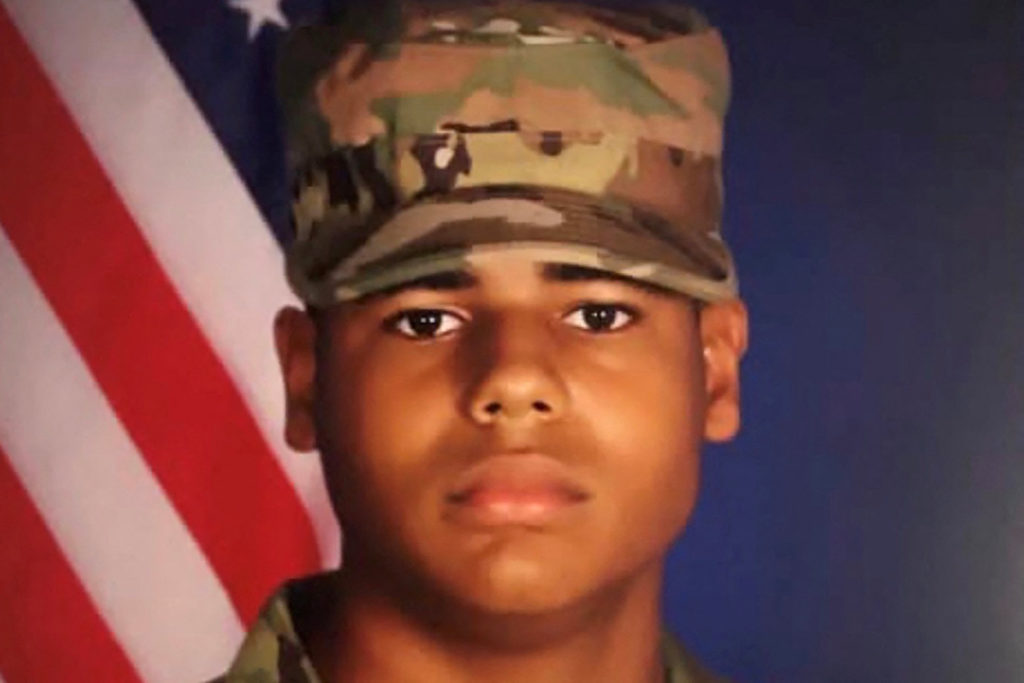
Reported facts: PBS NewsHour states the U.S. military identified a soldier killed while disarming an Iranian drone in Iraq as Sgt. Michael Emmanuel Swinton, age 30, and a father from North Carolina. Attributed claim: the cause (killed while disarming an Iranian drone) and identification are attributed to the U.S. military according to the article. Uncertainties: the supplied article text offers no operational details (time, unit, exact circumstances), no Department of Defense press release link, and no independent corroboration within the supplied package.
Source and Framing Analysis
Material uncertainty stems from limited sourcing and detail in the supplied report: the story is short and centers personal identification and human interest, with no additional operational or corroborating detail. This framing humanizes the casualty (name, age, family, hometown) but leaves open important factual questions about the circumstances, responsibility attribution, and broader tactical context that affect interpretation.
Biblical Reflection
This report centers a human loss amid ongoing military operations. Christians are called first to name and mourn real human suffering: a husband, father, and member of a community died while serving. The story invites grief, compassion, and pastoral care for the family, unit, and hometown.
At the same time, Christians should hold together truth and prudence. The article attributes the identification to the U.S. military and says the soldier was killed while disarming an Iranian drone, but it provides limited operational detail; we should avoid drawing broader geopolitical conclusions from a single brief report. Faithful discernment means praying for clarity and for those responsible for public information while resisting the impulse to weaponize personal tragedy for partisan aims.
Finally, the gospel shapes how we respond practically: mourn with those who mourn, support bereaved families and communities, and seek peace and justice in the face of violence. Remembering the dignity of the individual lost and the cost borne by families keeps Christian responses centered on neighbor-love rather than political spectacle.
Scripture in context
- 1John 15:13 — In John’s Gospel, Jesus teaches about love among his followers; the verse appears in a discourse preparing the disciples for his departure and emphasizing sacrificial love and mutual care within the community. — The passage helps Christians recognize sacrificial service and be moved to compassionate care for those who suffer and for their families, while also reminding us that sacrificial love calls for faithful witness to truth and peace.
- 2Psalm 34:18 — This psalm addresses God’s nearness to the brokenhearted and is part of biblical prayers of lament and trust during suffering. — It gives language for lament and pastoral comfort, reminding congregations to accompany grieving families and to bring sorrow honestly to God rather than minimizing real pain.
Faithful Response
Pray specifically for the soldier’s family, unit, and for accurate public information about the incident.
Reach out to local military ministries, veteran support organizations, or the family (if contact is appropriate) to offer practical help and grief ministry.
Resist exploiting a personal death for partisan advantage; instead, call leaders to transparency and pursue constructive conversation about policies that put service members at risk.
Lead or join communal lament in worship that recognizes loss honestly while entrusting the bereaved to God’s care.
Reflection and Discussion
- 1In what ways does knowing a name and a family shift our moral imagination about distant violence and policy decisions?
- 2How can the church simultaneously mourn, seek truth, and advocate for peace without politicizing a person’s death?
- 3What responsibilities do Christians have to hold leaders accountable for transparency while offering pastoral care to those who serve?
Sources
Reporting links are evidence inputs; Sanctuary News' biblical reflection is commentary.
This outlook currently relies on fewer than two linked sources. Broaden verification before teaching from it.
- 1.U.S. soldier killed in Iraq was 30-year-old father from North Carolinaprimary_reporting