News Summary
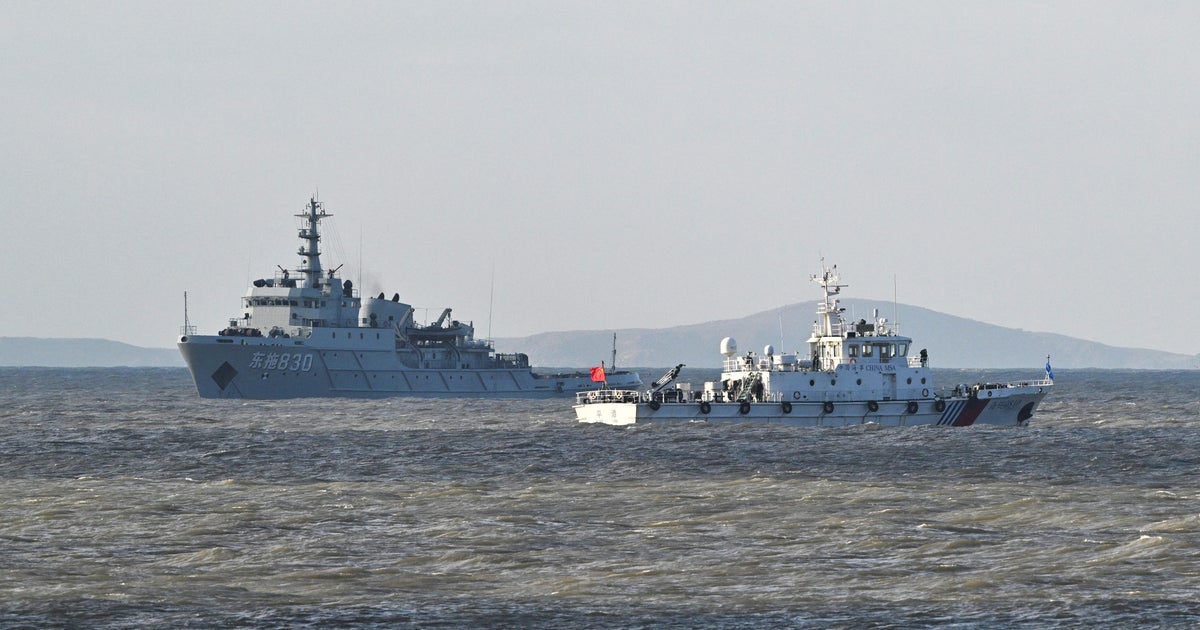
The article reports on recent Chinese military exercises around Taiwan, which the U.S. State Department has described as unnecessarily escalating regional tensions. The U.S. called on China to cease its military pressure and to engage in peaceful dialogue instead. China considers Taiwan part of its territory and has not ruled out using force to claim the island. The recent drills, code-named 'Justice Mission 2025,' involved missile launches, fighter jets, and naval vessels simulating a blockade of Taiwanese ports. Taiwan condemned the exercises as highly provocative. President Trump downplayed concerns about an imminent invasion, referencing his relationship with President Xi and the history of military drills in the area. The U.S. has supplied Taiwan with arms but remains ambiguous about direct military intervention. This is the sixth significant round of Chinese maneuvers near Taiwan since 2022, following heightened tensions after a visit by then-U.S. House Speaker Nancy Pelosi.
Biblical Reflection
From a biblical perspective, the escalation of military pressure and threats of force stand in stark contrast to Christ's teachings on peace, reconciliation, and the value of dialogue over aggression. Scripture repeatedly calls for peacemaking (Matthew 5:9) and cautions against pride and coercion as tools for settling disputes. While nations have the right to defend themselves (Romans 13:1-4), the pursuit of dominance, the use of intimidation, and the threat of violence for political aims run counter to the biblical call to seek justice and peace for all people. This situation reminds believers of the need to pray for leaders and to advocate for dialogue over destruction, recognizing that every life is precious in God's sight. The ambiguity and power struggles in international politics must be measured against the clear biblical command to 'seek peace and pursue it' (Psalm 34:14). Instead of increasing tensions, all parties are called to humility, wisdom, and genuine efforts for peaceful resolution.
Scripture in context
This outlook does not yet include contextual Scripture citations. Do not treat a general biblical theme as an exegetical conclusion.
Faithful Response
No prescribed response is offered. Consider the reflection prompts below in your own church context.
Reflection and Discussion
- 1How can Christians advocate for peace and encourage dialogue in situations of international tension?
- 2What does it mean to be a peacemaker in a world often driven by fear, pride, and power?
- 3In what ways can prayer influence the actions of leaders and the outcome of global conflicts?
Sources
Reporting links are evidence inputs; Sanctuary News' biblical reflection is commentary.
This outlook currently relies on fewer than two linked sources. Broaden verification before teaching from it.
- 1.Original reportprimary