News Summary
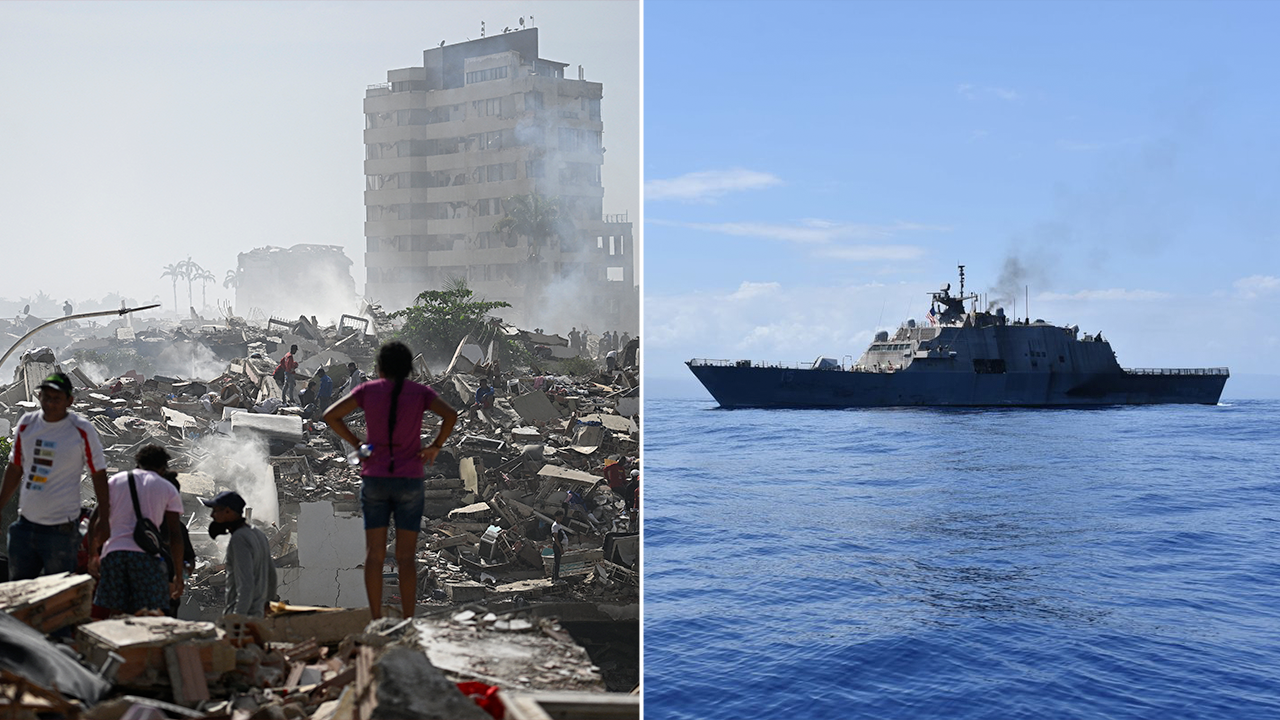
On June 24–25, 2026, two large earthquakes of magnitude 7.2 and 7.5 struck northern Venezuela about 120 miles west of Caracas, killing at least 235 people, injuring more than 940, damaging infrastructure in La Guaira, and closing Simón Bolívar International Airport. The U.S. State Department announced a mobilization of humanitarian assistance totaling $150 million: $50 million in bilateral awards to relief partners (including Samaritan’s Purse, Catholic Relief Services, and World Vision) and $100 million to a United Nations pooled fund. The U.S. deployed a regional Disaster Assistance Response Team and two urban search-and-rescue teams from Fairfax County, VA, and Los Angeles County, CA. U.S. Southern Command directed the amphibious ship USS Fort Lauderdale and littoral combat ship USS Billings to the area to support operations; rotary-wing and heavy-lift airlift support were also announced. U.S. officials emphasized consular assistance for American citizens and urged enrollment in STEP. The situation and death/injury totals remain subject to revision as rescue and assessment operations continue.
Biblical Reflection
From a Christian perspective, immediate aid and rescue reflect the biblical call to love and care for neighbors in urgent need; swift deployment of personnel, NGOs, and funds can save lives and alleviate suffering. At the same time, Christians should read coverage critically: appeals to compassion can coexist with political messaging (naming of political leaders, mention of cartels, and publicized military presence) that may shape perception of motives and escalate tensions. Using military assets for humanitarian purposes is sometimes necessary and pastoral-wise prudent, but it raises questions about respect for national sovereignty, long-term recovery plans, and how power is displayed during vulnerability. Truth demands careful attention to changing casualty figures and independent verification; mercy calls for support of survivors and displaced people regardless of political alignment; humility cautions against centering narratives on who ‘gets credit’ rather than on the needs on the ground. Christians can advocate for transparent, sustained aid that partners with local actors, supports dignity, and resists politicizing suffering for short-term gain.
Scripture in context
This outlook does not yet include contextual Scripture citations. Do not treat a general biblical theme as an exegetical conclusion.
Faithful Response
No prescribed response is offered. Consider the reflection prompts below in your own church context.
Reflection and Discussion
- 1How might political aims or media framing shape which responses are highlighted and whose voices are centered in this crisis?
- 2When military resources are used for relief, are there safeguards to protect sovereignty, impartiality, and the dignity of survivors?
- 3Are short-term rescue efforts being connected to plans for long-term recovery and justice for the most vulnerable?
Sources
Reporting links are evidence inputs; Sanctuary News' biblical reflection is commentary.
This outlook currently relies on fewer than two linked sources. Broaden verification before teaching from it.
- 1.Original reportprimary