News Summary
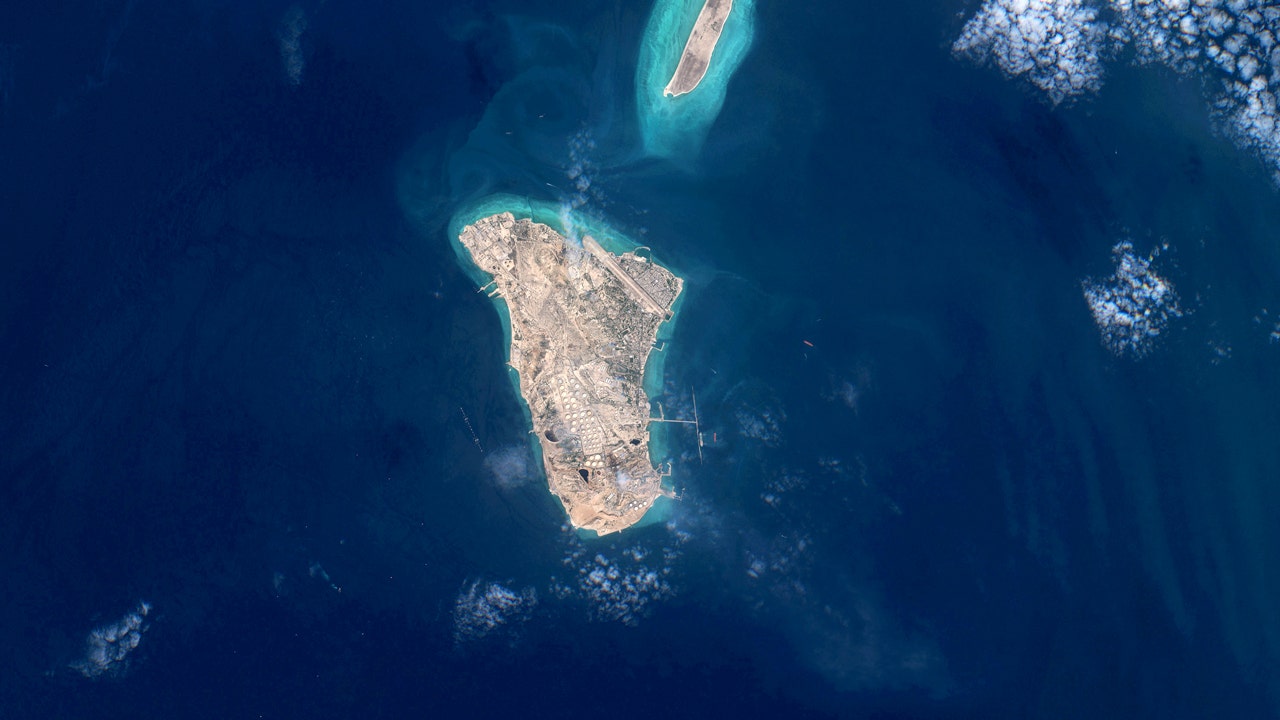
During a Fox News interview President Donald Trump declined to rule out seizing Iran's Kharg Island. Retired Vice Adm. Robert Harward described how a U.S. Marine Expeditionary Unit, supported by U.S. naval and air superiority, could conduct an amphibious assault to capture the island and preserve its oil infrastructure. The article states Kharg handles roughly 90% of Iran's crude exports and notes the island could likely be seized in hours. Experts caution that holding Kharg would be far more difficult because the island lies within range of Iranian missiles, drones, shore-based anti-ship weapons, naval mines, and fast attack craft; sustained retaliation from the Iranian mainland could require a larger, longer U.S. commitment and risk wider escalation. The piece outlines alternatives short of amphibious seizure—economic pressure, targeting overland routes and border crossings, or seizing other strategically located smaller islands—and quotes analysts about tradeoffs between tactical seizure and strategic consequences. The article cites historical context for Kharg and identifies intelligence, force protection, and preserving facilities as central operational considerations.
Biblical Reflection
The article provides military analysis focused on feasibility and tradeoffs; it is reporting expert assessments rather than announcing policy. Its worldview centers U.S. military options and strategic calculations, with less attention to Iranian civilian harm, international legal considerations, or diplomatic alternatives. Readers should note the sources are U.S. and former-U.S. military figures, some with policy affiliations, which can frame the conversation toward kinetic solutions. From a Christian perspective, the piece raises moral questions: are we prioritizing the protection of lives and the common good over strategic advantage? Does language about 'preserving infrastructure for a post-regime government' presuppose political outcomes that bypass self-determination and increase risk to noncombatants? Prudence, truthfulness, and neighbor-love call Christians to weigh the real human costs of military action, to insist on clear, honest intelligence and lawful authority before use of force, and to pursue diplomacy and nonviolent means whenever feasible. At the same time, protecting innocents and maintaining regional stability are legitimate responsibilities; Christian discernment requires humility about uncertainty, vigilance against dehumanizing the other, and courageous advocacy for measures that minimize suffering.
Scripture in context
This outlook does not yet include contextual Scripture citations. Do not treat a general biblical theme as an exegetical conclusion.
Faithful Response
No prescribed response is offered. Consider the reflection prompts below in your own church context.
Reflection and Discussion
- 1Whose voices are centered in this coverage—military planners or civilians and regional actors—and how does that shape what options seem acceptable?
- 2What assumptions about legitimate ends (e.g., preserving oil infrastructure for a future government) are embedded in the analysis, and how should those be tested ethically and legally?
- 3How does emphasis on tactical feasibility obscure the long-term human and diplomatic costs of occupying territory near hostile population centers?
Sources
Reporting links are evidence inputs; Sanctuary News' biblical reflection is commentary.
This outlook currently relies on fewer than two linked sources. Broaden verification before teaching from it.
- 1.Original reportprimary