News Summary
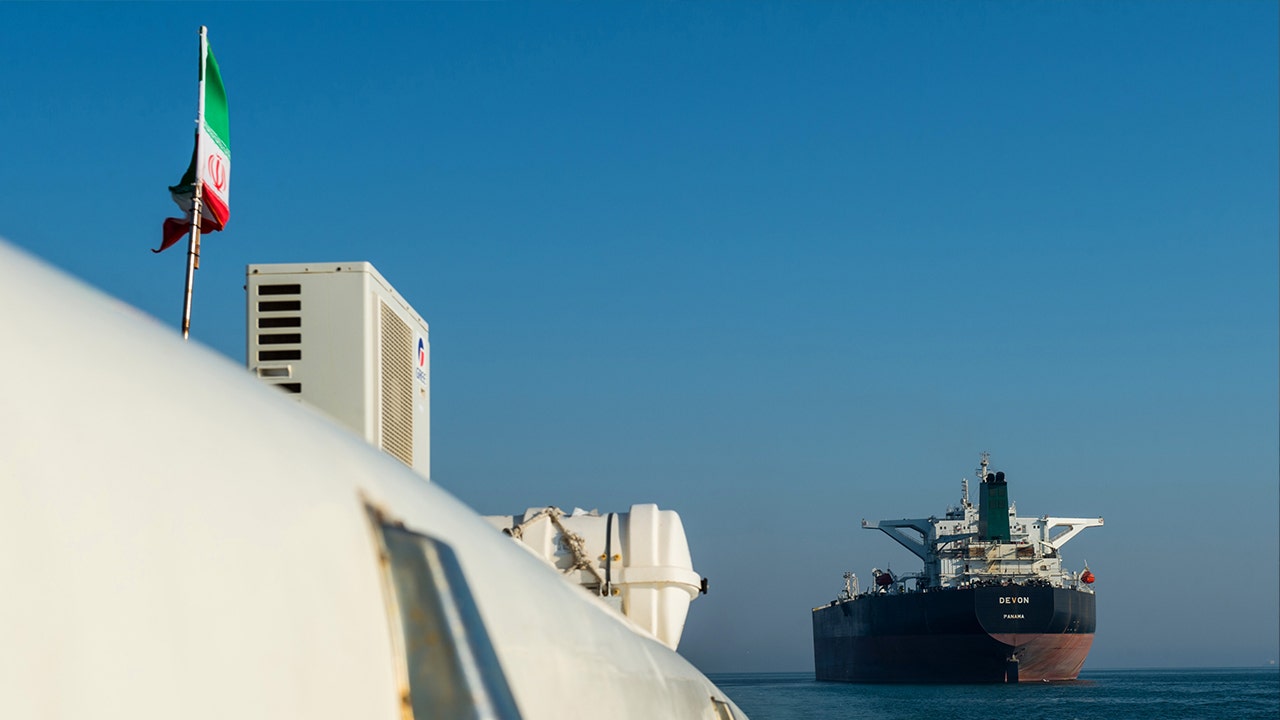
The article reports that U.S. officials and analysts are debating options to disrupt Iran’s oil revenue by targeting Kharg Island, Iran’s primary crude oil export hub. Proposed approaches discussed include seizing Kharg Island, interdicting tankers at sea, or using air strikes to disable export infrastructure. The piece notes U.S. forces previously struck military targets on the island while avoiding oil facilities, and that deployments of Marine expeditionary units and elements of the Army’s 82nd Airborne have fueled speculation about a ground operation. Some U.S. commentators cited in the article say the island could be taken militarily but would require substantial forces and would be vulnerable to Iranian drones, rockets, missiles, mines, and other countermeasures. Analysts warn that even if Kharg were taken offline, Iran could continue exports via other facilities (including Jask and several other terminals) and that fully halting exports would likely require action across multiple routes and against underway tankers. The article also reports views that a loss of oil revenue would hit Iran’s official budget but might not cripple the regime because the Islamic Revolutionary Guard Corps (IRGC) maintains independent revenue streams. U.S. officials are reported to be considering options that avoid sustained ground occupation; the article cites statements saying objectives could be achieved without ground troops, while also quoting analysts who question the operation’s endgame and warn of prolonged exposure of U.S. forces. The piece notes Iran has taken defensive measures around Kharg in anticipation of potential attacks. President Trump is reported to have placed a temporary reprieve on strikes against energy infrastructure until April 6, citing negotiation progress.
Biblical Reflection
From a Christian perspective, this reporting surfaces several moral and prudential questions. The article primarily frames the situation in terms of strategic leverage, military feasibility, and economic pressure—areas where expertise and clear-eyed assessment are needed—but it gives limited attention to the likely humanitarian, regional stability, and long-term political consequences of forcibly taking or disabling a major economic node. Scripture urges wise counsel, humility, and pursuit of peace (e.g., Proverbs 11:14; Matthew 5:9). Military action may sometimes be necessary to protect the innocent, but Christians should weigh prudence (are the means proportional and likely to accomplish a just end?), stewardship (what will be the human and economic cost?), and the risk of empowering violent actors who can adapt (the article notes IRGC resilience and alternative export routes). The piece shows a worldview that privileges hard-power solutions and technical feasibility, often represented by military and strategic voices; it underplays non-military tools (diplomacy, coalition-building, legal and financial measures) and the moral responsibility to minimize civilian suffering. Readers should therefore distinguish operational claims (what militaries can physically do) from normative claims (whether they should), and ask whether proposed actions are likely to bring a just and lasting peace or merely shift the dynamics of conflict. Christians are called both to seek justice and to be peacemakers—pressing leaders to pursue options that protect innocents, rely on truthful intelligence, and exhaust diplomatic avenues before escalation.
Scripture in context
This outlook does not yet include contextual Scripture citations. Do not treat a general biblical theme as an exegetical conclusion.
Faithful Response
No prescribed response is offered. Consider the reflection prompts below in your own church context.
Reflection and Discussion
- 1What assumptions about military effectiveness and the likely endgame underlie the article’s framing, and are non-military consequences (civilian harm, regional instability) receiving adequate attention?
- 2How does emphasizing short-term leverage over long-term reconciliation shape public and political appetite for escalation, and would alternative instruments (diplomacy, sanctions coordination) be more aligned with wise stewardship?
- 3Whose voices are centered in the article (military and strategic experts), and which perspectives (displaced civilians, regional neighbors, humanitarian agencies) are largely absent?
Sources
Reporting links are evidence inputs; Sanctuary News' biblical reflection is commentary.
This outlook currently relies on fewer than two linked sources. Broaden verification before teaching from it.
- 1.Original reportprimary