News Summary
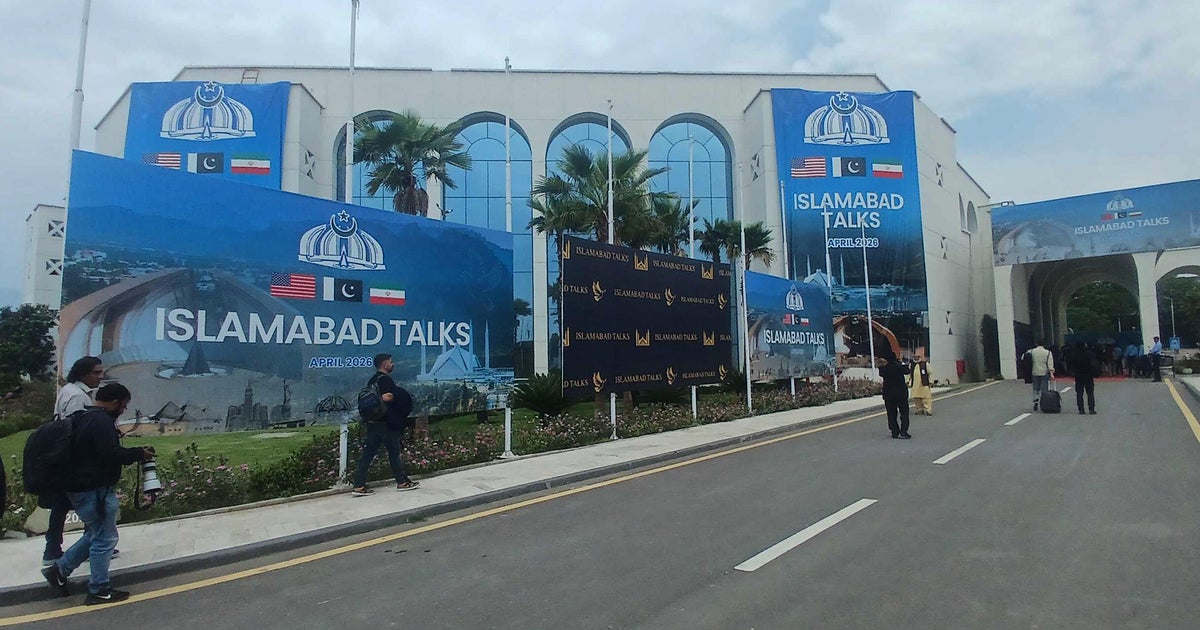
U.S. officials told CBS News that during the early April ceasefire between the United States and Iran, Iran moved multiple aircraft to Pakistan airfields, including Pakistan Air Force Base Nur Khan near Rawalpindi; among the aircraft cited was an Iranian Air Force RC-130. U.S. officials said the transfers could have insulated Iranian aviation assets from U.S. airstrikes. Pakistan’s Foreign Ministry confirmed Iranian planes were present but stated the aircraft arrived during the ceasefire to support diplomatic movements and denied any linkage to military contingency or preservation arrangements. Pakistani and Afghan officials gave differing accounts about which Iranian planes were in Afghanistan; one Afghan civil aviation officer said a Mahan Air civilian aircraft remained in Kabul and was later moved to Herat, while Taliban and Pakistani officials denied the presence of Iranian military aircraft in their jurisdictions. Analysts and reporting note Pakistan has sought to mediate between Tehran and Washington while maintaining close ties with China, and Iran has presented ceasefire terms that include U.S. reparations, recognition of control over the Strait of Hormuz, and sanctions removal—terms President Trump publicly rejected. The report cites anonymous U.S. officials and includes denials and clarifications from Pakistani and Taliban spokespeople. The situation remains contested and the ceasefire fragile, with intermittent clashes near the Strait of Hormuz reported around the same period.
Biblical Reflection
This story sits at the intersection of peacemaking and realpolitik. On one hand, Pakistan’s role as a mediator and host for diplomatic movement can be consistent with the biblical call to pursue peace (e.g., Matthew 5:9). On the other hand, if a neutral mediator takes actions that materially shield one party’s military capabilities, it raises moral questions about complicity and the integrity of mediation. Christians should watch for two recurring problems in such reporting: (1) reliance on anonymous officials and conflicting statements makes firm conclusions uncertain; and (2) national interest and strategic alignments (e.g., Pakistan’s ties with China and Iran) shape public diplomacy and private actions in ways news headlines may simplify. Scripturally-informed discernment calls us to value truthful reporting, resist rushes to moral certainty when evidence is contested, and pray for instruments of reconciliation rather than escalation. At the same time, Scripture holds leaders accountable for justice and stewardship of power (Proverbs, Micah). If a mediator’s neutrality is compromised by protecting military assets, it risks perpetuating conflict and injustice. As Christians, we should both desire de-escalation and insist on transparency and accountability in how peace is pursued—seeking arrangements that protect civilians and promote lasting justice, not merely tactical advantage.
Scripture in context
This outlook does not yet include contextual Scripture citations. Do not treat a general biblical theme as an exegetical conclusion.
Faithful Response
No prescribed response is offered. Consider the reflection prompts below in your own church context.
Reflection and Discussion
- 1What assumptions am I making about the motives of states when reports rely on anonymous officials and receive official denials?
- 2How should Christians weigh the difference between genuine peacemaking (diplomatic facilitation) and actions that might enable continued violence or imbalance of power?
- 3When a mediator has close ties to one or more parties, what questions should we ask to discern whether its role promotes justice and protection for the vulnerable or merely strategic advantage?
Sources
Reporting links are evidence inputs; Sanctuary News' biblical reflection is commentary.
This outlook currently relies on fewer than two linked sources. Broaden verification before teaching from it.
- 1.Original reportprimary