News Summary
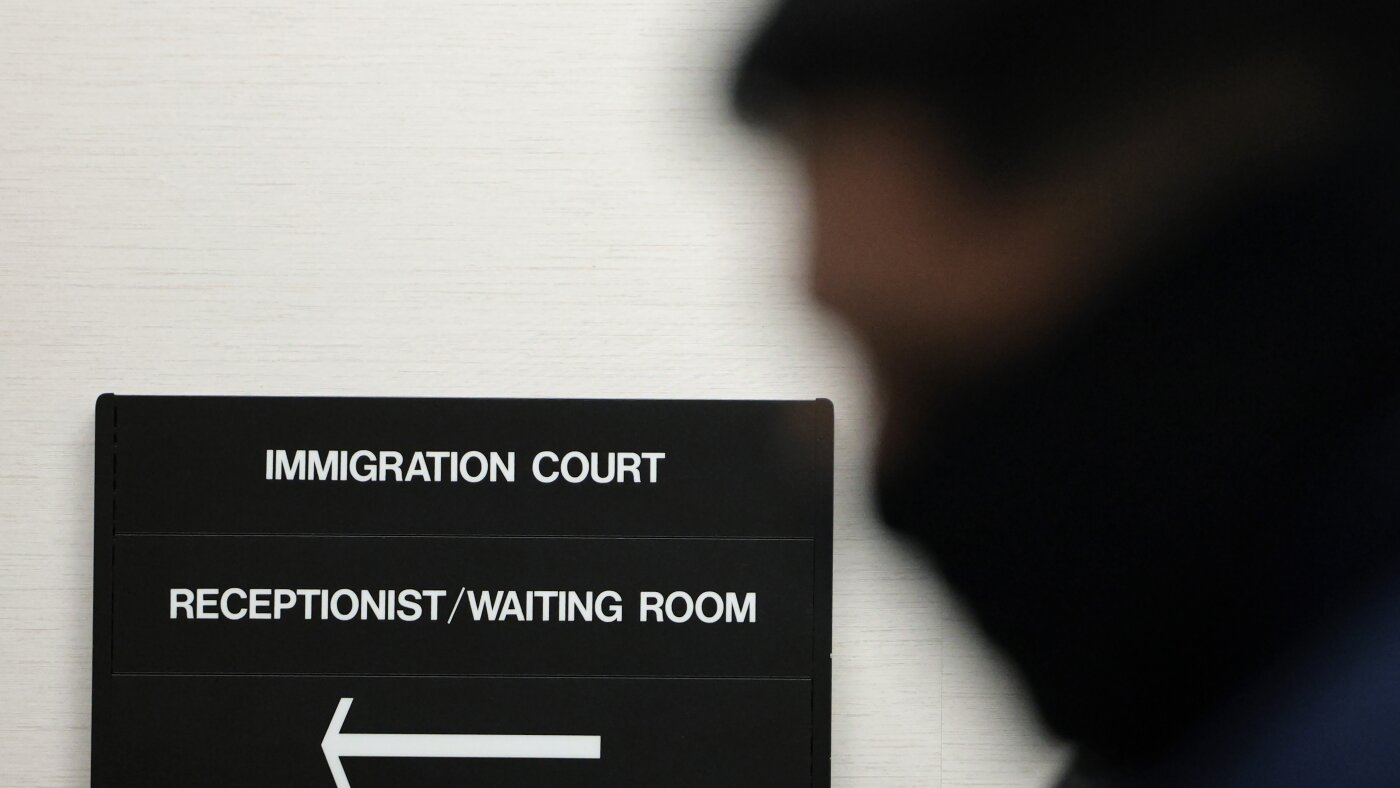
U.S. Central Command reported that U.S. military forces struck Iranian boats and missile launch sites in southern Iran after alleging the boats were attempting to lay mines; the action was described by the command as an act of self-defense. President Trump had recently said an agreement had been "largely negotiated," but administration officials subsequently tempered expectations about a deal. Separately, Russia warned it would continue widespread strikes on Kyiv following recent attacks there seen as responses to Ukrainian strikes on Russian infrastructure; negotiations to end the war in Ukraine have stalled amid shifting U.S. focus. The Trump administration also eased some sanctions on Russian oil exports, citing energy shortfalls connected to the conflict with Iran. The U.S. Department of Justice has begun scheduling very large master calendar immigration hearings—100 or more individuals at once—to accelerate adjudications and increase deportation orders; immigration lawyers and the American Immigration Lawyers Association report these sessions disproportionately affect unrepresented immigrants, and absences or lateness can lead to removal orders. Additionally, President Trump made a scheduled visit to Walter Reed for a routine dental and medical assessment, his third in 13 months, renewing public discussion about his age and health. The newsletter also included separate human-interest and international reporting (on food trends and Uyghurs in Syria) which were not central to the two primary items above.
Biblical Reflection
This article reports two different exercises of governmental power: military force abroad and procedural power at home. The military strikes are presented in terms of self-defense, but Christians should weigh reports of force with careful attention to verifiable facts and the real risk of escalation. The rushed framing of diplomacy as "largely negotiated" before officials walked back expectations also underscores how public statements can shape hopes and fears. On immigration, the DOJ tactic raises clear moral concerns: speeding processes by batching large groups—especially when many lack counsel—risks denying basic procedural fairness and compassion to vulnerable people. Scripture repeatedly calls God’s people to defend the vulnerable and pursue both justice and mercy; policies that shortcut due process or treat people as statistics rather than neighbors deserve scrutiny. At the same time, the reporting appears to be standard news aggregation rather than overt advocacy, but the choices of emphasis (military action and accelerated removals) reflect policy priorities that Christians should examine: are we prioritizing security at the cost of justice and hospitality? Christians can ask for truth, accountability, and restraint from violence while also urging humane, lawful treatment of migrants.
Scripture in context
This outlook does not yet include contextual Scripture citations. Do not treat a general biblical theme as an exegetical conclusion.
Faithful Response
No prescribed response is offered. Consider the reflection prompts below in your own church context.
Reflection and Discussion
- 1What evidence is presented that the strikes were necessary and proportionate, and how should Christians weigh claims of self-defense against the risk of wider conflict?
- 2Do administrative changes that speed deportations at the expense of individual legal representation align with a Christian commitment to justice and care for the stranger?
- 3How might public rhetoric from leaders shape our hopes for peace, and what practices help Christians remain sober-minded yet hopeful amid shifting diplomatic signals?
Sources
Reporting links are evidence inputs; Sanctuary News' biblical reflection is commentary.
This outlook currently relies on fewer than two linked sources. Broaden verification before teaching from it.
- 1.Original reportprimary