News Summary
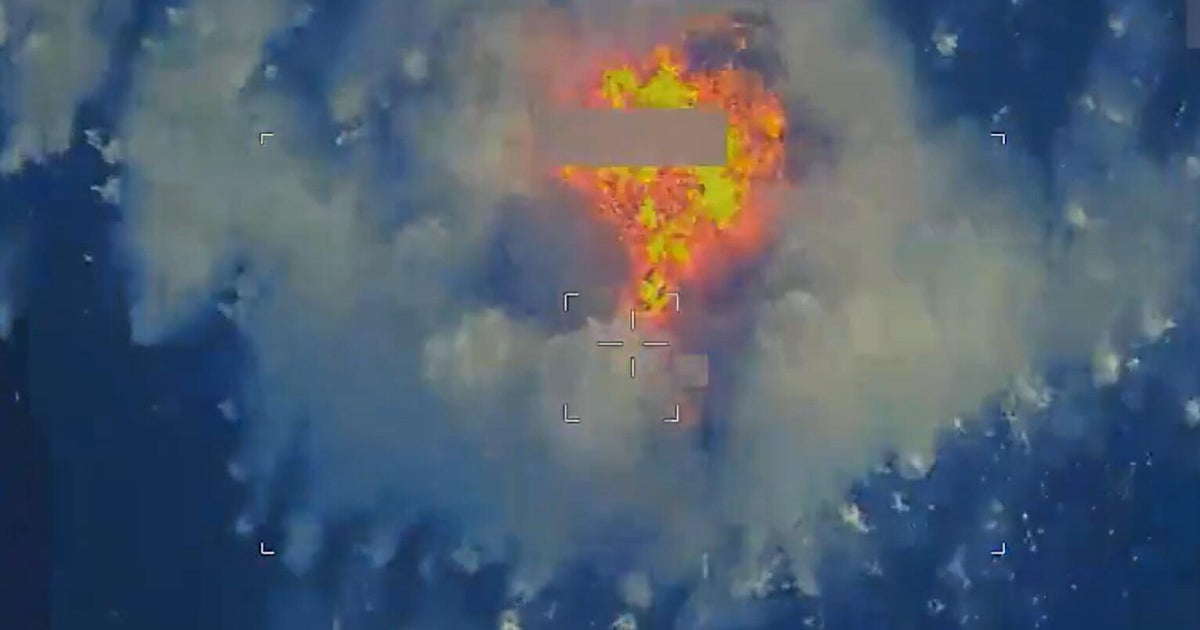
The U.S. military conducted a strike on Friday against a small vessel in the eastern Pacific Ocean that it accused of smuggling drugs; the strike killed three men. U.S. Southern Command announced the attack and described the vessel as "engaged in narco-trafficking operations" and as operated by a designated terrorist organization, but did not provide publicly released evidence to support those claims. The command posted color video footage showing the vessel before and after it was hit. The strike was announced as directed by Gen. Francis L. Donovan, the top U.S. commander for the region. This is the third U.S. strike announced in a single week as part of a months-long campaign against alleged drug boats in the Caribbean Sea and eastern Pacific, and raises the reported death toll from the series of strikes that began in early September to at least 202 people. The toll was increased in part because some people previously listed as survivors have not been found. The legality of the strikes has been questioned by experts and lawmakers. The White House confirmed that in the first attack on Sept. 2, U.S. forces conducted a follow-on "double tap" strike that killed two people who had survived the initial strike; some lawmakers have questioned whether that action could constitute a war crime. The Trump administration has asserted the United States is in armed conflict with Latin American drug cartels and has used that framing to justify the campaign.
Biblical Reflection
From a Christian perspective, this report raises significant moral and practical concerns. The use of lethal force at sea against people accused—but not publicly proven—of drug trafficking highlights tensions between the duty to protect innocent life at home and the obligation to uphold justice, due process, and the dignity of human beings abroad. The article repeatedly cites official claims without published evidence and shows reliance on military announcements and graphic footage; that raises questions about transparency, accountability, and whether the humanity of those killed is being fully acknowledged. The high death toll and reports of a follow-on "double tap" that killed survivors intensify worries about proportionality, the protection of noncombatants, and respect for international law. A posture that treats complex social and transnational problems primarily as military targets can obscure root causes—demand for illicit drugs, corruption, poverty, and weak governance—and may produce further harm to civilians and regional relations. Christians should press for truth and accountability: governments must pursue both security and justice, avoid dehumanizing rhetoric, and show mercy to victims while courageously confronting crime. Prayerful attention to the victims and a call for lawful, transparent processes are appropriate responses.
Scripture in context
This outlook does not yet include contextual Scripture citations. Do not treat a general biblical theme as an exegetical conclusion.
Faithful Response
No prescribed response is offered. Consider the reflection prompts below in your own church context.
Reflection and Discussion
- 1What evidence has been made public to substantiate claims that these vessels were operated by designated terrorist organizations, and how does the presence or absence of evidence shape our moral assessment?
- 2How does framing the fight against drug trafficking primarily as an armed conflict affect the value placed on due process, noncombatant protection, and long-term solutions to drug demand and regional instability?
- 3Are we, as a public and as leaders, insisting on sufficient transparency and independent oversight when state force results in significant loss of life?
Sources
Reporting links are evidence inputs; Sanctuary News' biblical reflection is commentary.
This outlook currently relies on fewer than two linked sources. Broaden verification before teaching from it.
- 1.Original reportprimary