News Summary
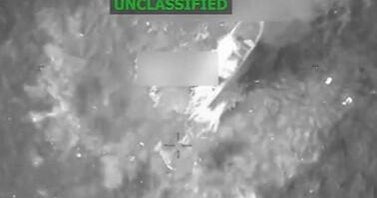
On May 27, 2026, U.S. Southern Command said Joint Task Force Southern Spear carried out a lethal strike in the eastern Pacific on a vessel the military suspected of transporting drugs; the command reported two men were killed and posted video showing an explosion and subsequent smoke and fire. A day earlier, U.S. forces struck a separate alleged drug-smuggling boat in the same region, killing one man and leaving two survivors; the U.S. Coast Guard was notified to activate search-and-rescue for those survivors. The report notes that the strikes are part of a campaign begun in early September under the Trump administration that has targeted alleged drug-trafficking vessels in the eastern Pacific and Caribbean and that U.S. officials say the effort is aimed at confronting Latin American drug cartels. At least 196 people have reportedly been killed in the campaign. The Pentagon inspector general said it will evaluate whether the military followed the six-phase Joint Targeting Cycle when carrying out the attacks, but the review will not examine the legality of the strikes. Some lawmakers and military legal scholars have criticized the operations, saying the military has not publicly provided evidence that the vessels carried drugs and that civilians may have been killed.
Biblical Reflection
From a Christian perspective, this story raises urgent questions about truth, accountability, and the value of human life. The stated aim—disrupting drug trafficking that contributes to deadly overdoses—is a legitimate public concern, but the available public record appears limited: officials have announced strikes, yet independent public evidence that the vessels were carrying drugs has not been shown. That gap matters morally and legally. Christian ethics calls for protecting the vulnerable and pursuing justice, but it also demands due process, transparency, and care to avoid harming innocents. Lethal force always carries heavy moral weight; when used far from home and against non-state actors, it should be subject to clear legal authority, rigorous oversight, and public accountability. The framing in reports and official statements can either obscure or illuminate those questions—language that dehumanizes groups or treats distant lives as expendable conflicts with the biblical witness to the worth of every person. Christians should recognize the real harms caused by drug trafficking and support efforts to prevent them, while also insisting that such efforts be carried out lawfully, transparently, and with mercy toward the human beings involved.
Scripture in context
This outlook does not yet include contextual Scripture citations. Do not treat a general biblical theme as an exegetical conclusion.
Faithful Response
No prescribed response is offered. Consider the reflection prompts below in your own church context.
Reflection and Discussion
- 1What evidence has been made public to justify lethal strikes, and who is responsible for independently verifying it?
- 2How does the language used by officials and media shape our willingness to accept lethal force in foreign waters—are distant lives being made less visible?
- 3Are existing oversight mechanisms adequate to ensure actions taken in the name of public safety respect law, human dignity, and international norms?
Sources
Reporting links are evidence inputs; Sanctuary News' biblical reflection is commentary.
This outlook currently relies on fewer than two linked sources. Broaden verification before teaching from it.
- 1.Original reportprimary