News Summary
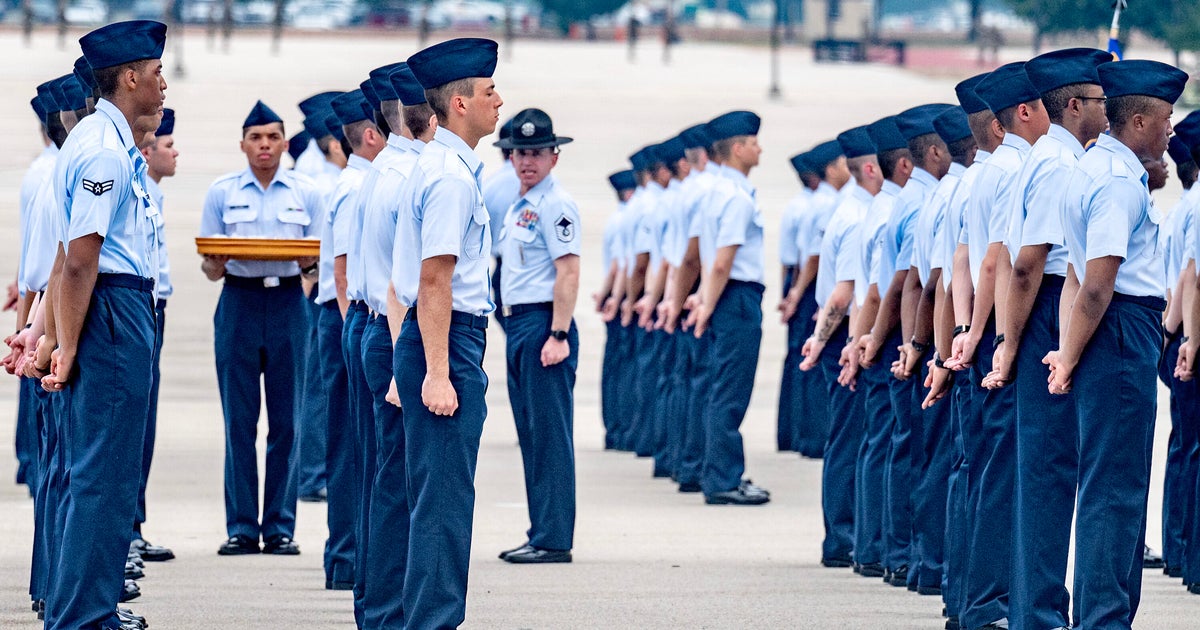
All U.S. military branches have again required flu vaccinations for recruits earlier in June as an exception to Defense Secretary Pete Hegseth’s April decision to make the annual flu shot voluntary for service members. The reinstatement for recruits began before a recent influenza outbreak at Lackland Air Force Base in Texas was publicly acknowledged; a congressional staffer told CBS News the outbreak infected 275 people in recent weeks. Lackland’s training unit has implemented mitigation measures, is monitoring exposed trainees, and is treating symptomatic individuals with antiviral medications such as Tamiflu, an Air Force spokesperson said. Military departments requested and were granted exemptions in early June to keep flu vaccinations mandatory for certain groups — typically those in communal living situations, health care roles, and similarly vulnerable categories. Pentagon spokesman Sean Parnell said the exemptions followed risk assessments intended to protect operational readiness and at‑risk populations. The article notes historical context: flu vaccination mandates in the military date back to 1945, the Pentagon has long required other vaccinations, and the military previously had and later lifted a COVID‑19 vaccine mandate in recent years.
Biblical Reflection
From a Christian perspective, the developments show leaders trying to balance individual liberty with communal responsibility. The Pentagon’s move to require vaccines for recruits and at‑risk communal settings reflects stewardship of others’ lives and an emphasis on readiness that serves the common good. At the same time, the episode highlights risks when public health decisions become entangled with political messaging — transparency and clear communication matter for public trust. Christians should value the impulse to protect vulnerable populations and honor the sacrificial ethic of neighbor‑love while remaining watchful for policy decisions driven more by image or politics than by evidence and care. Pastoral discernment calls us to pray for those sick, support reasonable protection measures in communal settings, and gently exercise humility and charity when evaluating leaders’ motives.
Scripture in context
This outlook does not yet include contextual Scripture citations. Do not treat a general biblical theme as an exegetical conclusion.
Faithful Response
No prescribed response is offered. Consider the reflection prompts below in your own church context.
Reflection and Discussion
- 1Is the policy framed primarily as a public‑health and readiness measure, or as a response to political decisions — and how does that framing shape our trust in leaders?
- 2Who bears the practical burdens (health, career, liberty) of vaccine policy changes in communal institutions like military training, and are those burdens fairly distributed?
- 3How can Christians hold both individual conscience and concern for communal vulnerability in tension when assessing public‑health policies?
Sources
Reporting links are evidence inputs; Sanctuary News' biblical reflection is commentary.
This outlook currently relies on fewer than two linked sources. Broaden verification before teaching from it.
- 1.Original reportprimary