News Summary
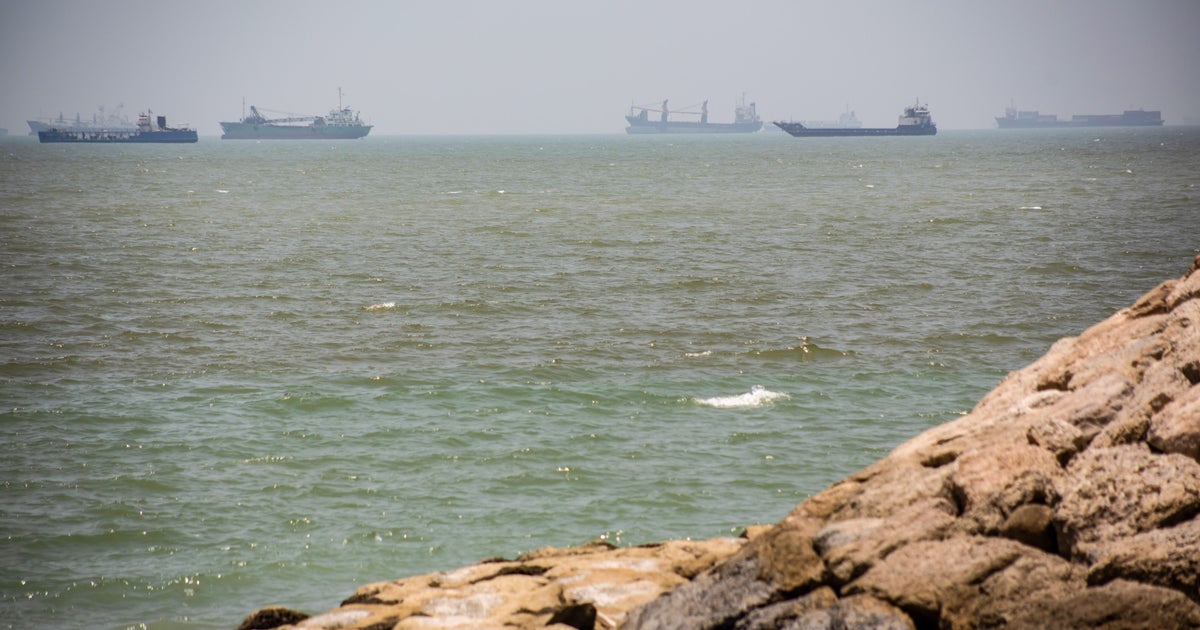
On July 7, 2026, U.S. forces began launching strikes against targets in Iran, U.S. Central Command said, as retaliation for attacks over the prior two days by the Islamic Revolutionary Guard Corps on three commercial vessels transiting the Strait of Hormuz. U.K. Maritime Trade Operations issued advisories reporting one attack on Monday and two on Tuesday; one was attributed to an uncrewed aerial vehicle (drone) and two involved unknown projectiles. No casualties were reported. Saudi and Qatari tankers (the Vijian and the Rakiyat) were named by Saudi authorities as among vessels targeted. The attacks followed a drone strike on a Singapore-flagged commercial vessel the prior week and came after Washington and Tehran had earlier agreed to suspend hostilities and pursue indirect negotiations on maritime security. In response to the recent strikes, the U.S. Office of Foreign Assets Control revoked a general license (GL X) that had authorized certain Iranian oil sales; U.S. officials described the revocation as tied to Iran’s behavior. Iranian officials condemned the revocation and characterized the U.S. military response and sanctions as violations of the Islamabad Memorandum of Understanding, warning that Iran would take actions to safeguard its interests. Statements quoted in the reporting are primarily from U.S., Saudi, and Iranian officials and from maritime advisories; independent on-scene verification of the attacks beyond those sources is not reported in the article.
Biblical Reflection
This report describes a clear cycle of violence and diplomatic rollback: attacks on commercial shipping, a U.S. retaliatory military response, and reciprocal political and economic measures. The article largely relies on official statements (CENTCOM, OFAC, national foreign ministries, maritime advisories), which means readers receive competing government narratives with limited independent verification. From a Christian pastoral perspective, the situation raises urgent moral questions about proportionality, protection of noncombatants (merchant mariners and global consumers dependent on secure shipping), and the ease with which fragile agreements can be undone. While states have a responsibility to protect citizens and commerce, the rush to retaliation risks broader escalation and more harm to vulnerable people. Christian virtues call for truth-seeking about facts (not accepting only partisan claims), humility about our capacity to judge complex intelligence and legal claims, and persistent work toward de-escalation and justice for the innocent. Pray for leaders to choose restraint where possible, for transparent investigation of incidents, and for international mechanisms to protect civilian life and global goods.
Scripture in context
This outlook does not yet include contextual Scripture citations. Do not treat a general biblical theme as an exegetical conclusion.
Faithful Response
No prescribed response is offered. Consider the reflection prompts below in your own church context.
Reflection and Discussion
- 1What evidence is being used to justify military action, and how much of it comes from single or partisan sources versus independent verification?
- 2Whose safety and economic interests are most at risk if this cycle of retaliation escalates, and are those voices being prioritized in policy decisions?
- 3How does the framing of events (ceasefire violation vs. provocation vs. self-defense) shape public support for escalation, and what alternative diplomatic paths remain available?
Sources
Reporting links are evidence inputs; Sanctuary News' biblical reflection is commentary.
This outlook currently relies on fewer than two linked sources. Broaden verification before teaching from it.
- 1.Original reportprimary