News Summary
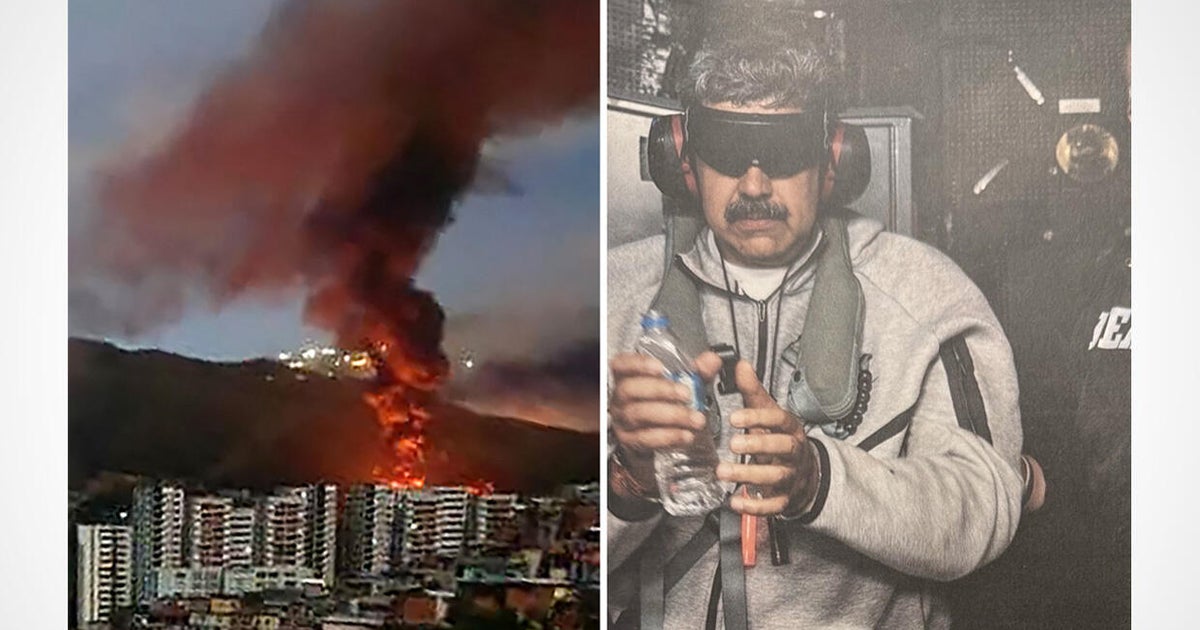
The article reports on a major escalation between the United States and Venezuela: U.S. military forces, under President Trump, launched strikes on Venezuelan territory, leading to the reported capture and removal of Venezuelan President Nicolás Maduro by Delta Force. The Venezuelan Defense Minister called for national resistance, while the government declared a state of emergency and urged citizens to mobilize against what it termed 'imperialist aggression.' The U.S. justified the action by referencing Maduro's alleged involvement in narco-terrorism and drug trafficking, for which he was indicted in 2020. Both U.S. political parties expressed legal and constitutional concerns over the action, with some senators labeling it an illegal or unjustified war. The international response was swift, with condemnation from leaders such as Cuba's president and Colombia's president calling for a United Nations meeting. The U.S. had previously conducted maritime military operations, including the seizure of oil tankers and strikes on alleged drug boats, and had increased its military presence in the region. The article highlights deep divisions regarding the justification, legality, and potential consequences of the U.S. intervention.
Biblical Reflection
From a biblical perspective, this news story raises sobering questions about justice, the use of force, and the pursuit of peace. Scripture repeatedly warns against the unchecked use of violence and the temptation to trust in military might rather than in God (Psalm 20:7; Isaiah 31:1). While governments are given some authority to restrain evil (Romans 13:1-4), the legitimacy of such authority depends on justice, transparency, and a genuine pursuit of the common good—not personal or national gain. The alleged goal of removing a corrupt leader and confronting drug trafficking may align with a desire for justice, yet the means—military strikes, regime change, and the risk of civilian harm—must be weighed with utmost gravity. Jesus taught, 'Blessed are the peacemakers' (Matthew 5:9), calling His followers to seek reconciliation, mercy, and truth, rather than domination or revenge. Moreover, the lack of broad consensus, both domestically and internationally, and the recourse to violence without clear legal and moral foundations, challenge the call to act justly, love mercy, and walk humbly with God (Micah 6:8). Christians are called to pray for leaders, for peace, and for justice to prevail in ways that honor the dignity and lives of all affected.
Scripture in context
This outlook does not yet include contextual Scripture citations. Do not treat a general biblical theme as an exegetical conclusion.
Faithful Response
No prescribed response is offered. Consider the reflection prompts below in your own church context.
Reflection and Discussion
- 1How do I discern when actions by governments truly align with justice, mercy, and humility before God?
- 2In what ways can I pray and advocate for peace and reconciliation amidst international conflict?
- 3How can I respond, as a follower of Christ, when faced with news of war and violence in the world?
Sources
Reporting links are evidence inputs; Sanctuary News' biblical reflection is commentary.
This outlook currently relies on fewer than two linked sources. Broaden verification before teaching from it.
- 1.Original reportprimary