News Summary
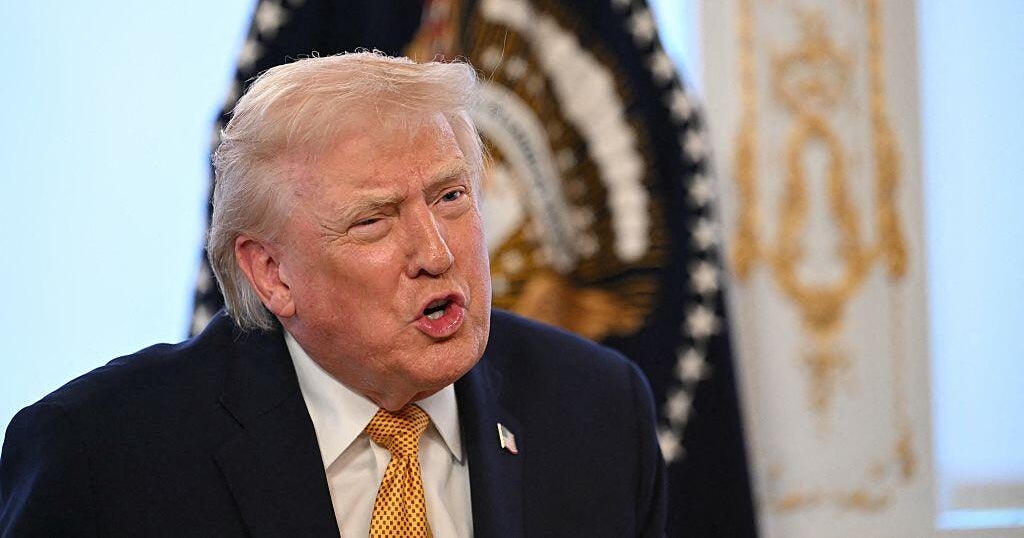
The article reports that on Christmas Day, under President Trump's directive, the U.S. launched military strikes against ISIS targets in Northwest Nigeria. Trump stated that these actions were in response to ongoing attacks against Christians by ISIS-affiliated militants, which he described as being at historically high levels. U.S. Africa Command confirmed that several ISIS terrorists were killed, although specifics about casualties or targets were not released. The Nigerian government acknowledged the strikes and indicated they had cooperated with U.S. intelligence efforts. There is ongoing debate about the scope of religious persecution in Nigeria: while Christians have suffered targeted violence, analysts noted that Muslims are also frequent victims of terrorist attacks, particularly in the north. The U.S. has previously designated Nigeria as a 'country of particular concern' for religious freedom violations, although this designation has been inconsistently applied. The strikes follow previous U.S. actions against ISIS in Syria and highlight the complex relationship between the U.S. and Nigeria regarding security and religious rights.
Biblical Reflection
From a biblical perspective, the plight of persecuted Christians is deeply troubling, and Scripture calls believers to pray for those suffering for their faith (Hebrews 13:3) and to advocate for justice (Isaiah 1:17). However, the use of military force—even in response to grave injustice—requires careful consideration of Jesus' teachings on violence, peacemaking, and the value of every human life. While defending the oppressed is a biblical value, Jesus warned against responding to evil with vengeance (Matthew 5:38-39), instead calling His followers to be peacemakers (Matthew 5:9). The decision to employ 'powerful and deadly' strikes on Christmas, a day marking Christ's birth and the coming of peace, raises questions about the alignment of such actions with the heart of the Gospel. The suffering of all innocents—Christian and Muslim alike—must be grieved, and Christians are called to seek justice in ways that reflect Christ's love, mercy, and commitment to reconciliation. Governments bear responsibility for protecting the vulnerable, but the means by which they do so must be weighed carefully against the life and teachings of Jesus, who taught that 'those who live by the sword will die by the sword' (Matthew 26:52).
Scripture in context
This outlook does not yet include contextual Scripture citations. Do not treat a general biblical theme as an exegetical conclusion.
Faithful Response
No prescribed response is offered. Consider the reflection prompts below in your own church context.
Reflection and Discussion
- 1How can Christians balance the desire for justice and protection of the oppressed with Jesus' call to peacemaking and non-retaliation?
- 2What does it mean to be a peacemaker in a world marked by religious violence and political conflict?
- 3How does the timing and manner of our response to injustice reflect the character of Christ?
Sources
Reporting links are evidence inputs; Sanctuary News' biblical reflection is commentary.
This outlook currently relies on fewer than two linked sources. Broaden verification before teaching from it.
- 1.Original reportprimary