News Summary
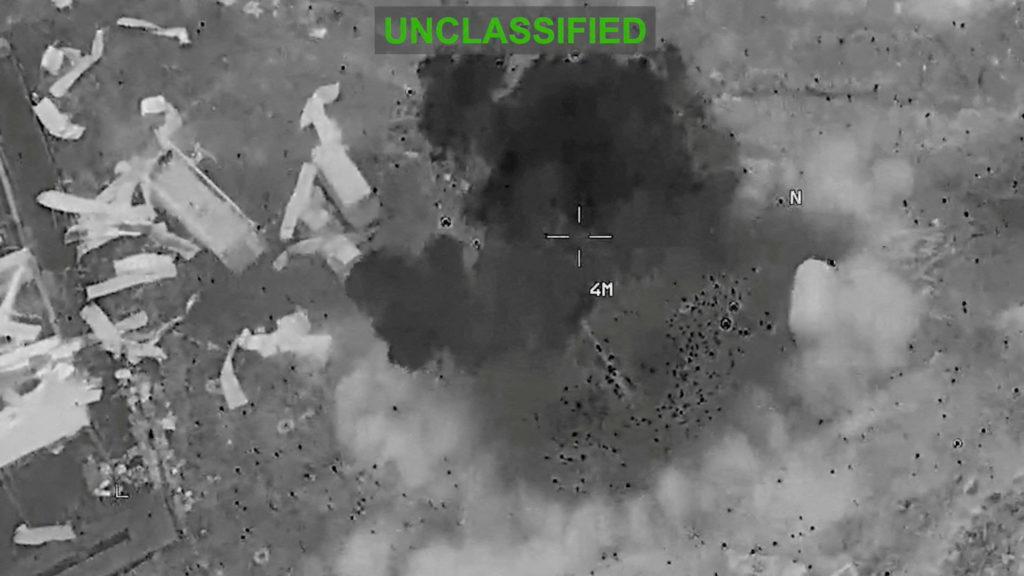
Reported facts: PBS NewsHour reports U.S. Central Command announced another series of strikes on Iranian targets, described as the 13th night of strikes; CENTCOM stated the purpose was to degrade Iran's ability to threaten civilian mariners and commercial vessels and to help restore flow through the Strait of Hormuz. Attributed claims: The objective to regain control over the Strait of Hormuz and restore international shipping is presented as the American rationale. Uncertainty: The article does not provide independent confirmation of targets struck, civilian or military casualties, specific legal justification, or the Iranian government's detailed response.
Source and Framing Analysis
The story is based on a single PBS NewsHour report summarizing a CENTCOM statement. Material uncertainties include lack of independent on-the-ground confirmation of targets, casualties, or damage, and the absence of detailed operational or legal context. Framing centers on U.S. military justification (protecting shipping) and uses language like 'regain control' and 'escalate' that convey strategic aims and increasing tension; readers should note the article reports official claims rather than presenting corroborated evidence of outcomes.
Biblical Reflection
The announcement of repeated U.S. strikes near Iran raises immediate pastoral concerns: human cost, displacement or disruption to civilians and seafarers, and the moral hazard of escalating force. Scripture repeatedly calls God's people to value life, pursue justice, and seek peace — not as passive resignation but as active pursuit. When governments justify force as protection for commerce or navigation, Christians must ask whether means and ends align with principles of justice and the protection of the vulnerable.
Critically, official statements about purpose and effect require prudent skepticism: military actors routinely present operations in terms that emphasize necessity and proportionality. That does not mean their claims are false, but it does mean Christians should distinguish reported intention from verified outcomes, mourn potential loss of life, and press our leaders for accountability and transparency. Our calling is to advocate for policies that reduce harm, prioritize humanitarian protection, and exhaust diplomatic options before kinetic escalation.
At the personal level, living faithfully in this moment includes informed prayer for those directly affected (mariners, local civilians, service members), disciplined discernment against tribalizing rhetoric, and practical mercy for any displaced or harmed by the conflict. The church can be a place of lament and intercession, a provider of counsel to anxious people, and a voice urging restraint and humane responses from policymakers.
Scripture in context
- 1Isaiah 2:2-4 (literary context: prophetic vision of future peace among nations) — Isaiah's passage envisions a future when nations abandon instruments of war and seek the ways of the Lord, placed in a prophetic call for peace and justice amid political turmoil in the ancient Near East. — This passage invites Christians to long for and work toward the restraint of violence and the establishment of just order, shaping how we evaluate and respond to contemporary military actions that claim to secure peace or protect commerce.
Faithful Response
Pray regularly and specifically for civilians, mariners, and military personnel affected; include requests for de-escalation and protection.
Seek trustworthy, multiple sources of information before forming definitive judgments; avoid spreading unverified claims.
Contact elected representatives to ask for transparency, legal justification, and pursuit of diplomatic channels alongside any military measures.
Support humanitarian organizations assisting civilians and seafarers harmed by regional violence.
Reflection and Discussion
- 1How should the church weigh a government's stated security aims against the immediate human cost of military action?
- 2In this crisis, where do we see opportunities for the church to be a peacemaker or a source of practical compassion?
- 3What safeguards should Christians press for to ensure transparency and minimize harm when military force is used?
Sources
Reporting links are evidence inputs; Sanctuary News' biblical reflection is commentary.
This outlook currently relies on fewer than two linked sources. Broaden verification before teaching from it.
- 1.U.S. military launches 13th night strikes on Iran as clashes escalate over shipping routesprimary_reporting