News Summary
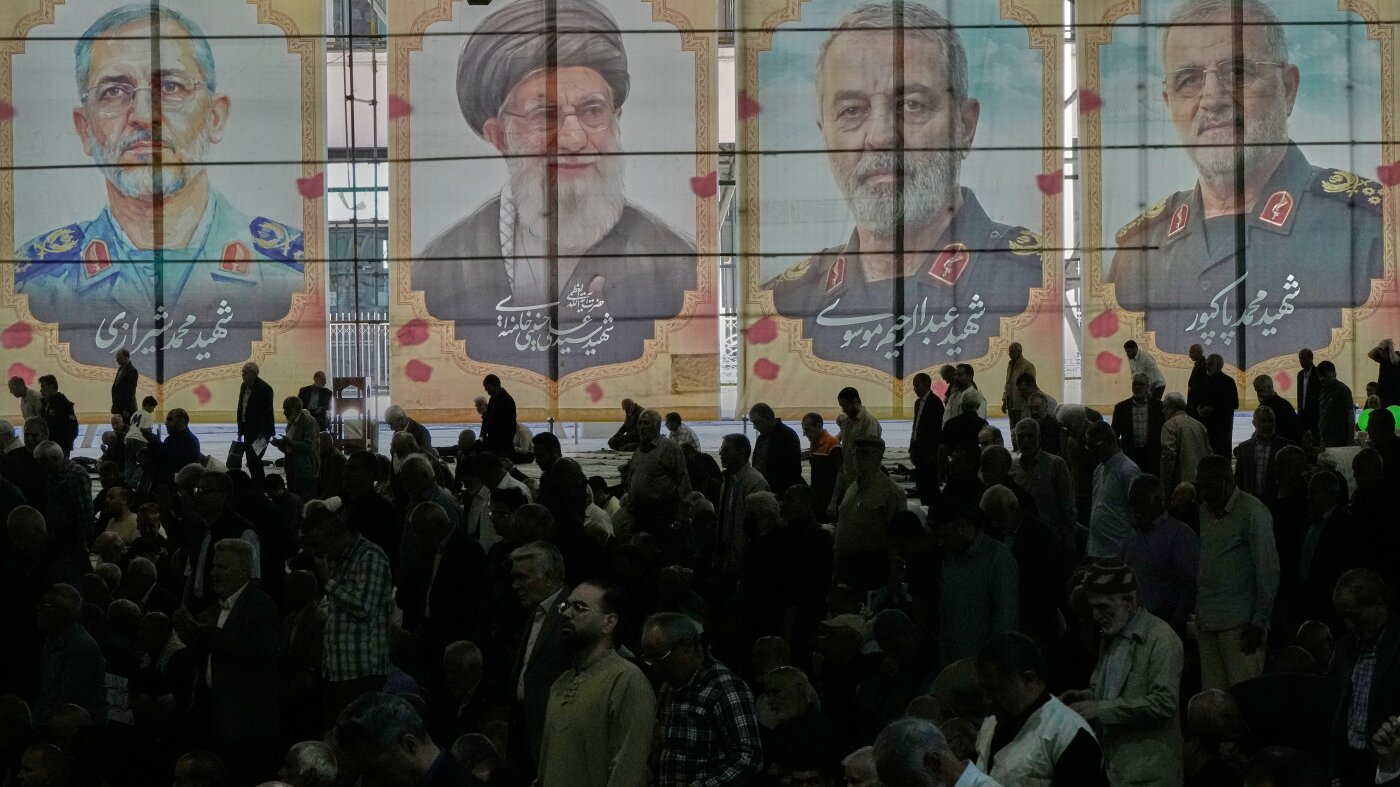
U.S.-Iran diplomatic talks intended to end the regional war have largely stalled. U.S. Senator Marco Rubio, speaking on Fox News, described Iran's latest proposal as better than expected but said negotiations remain deadlocked because Iran has not accepted the U.S. demand to abandon its nuclear ambition. Iranian diplomacy has included outreach to Russia (Iranian foreign minister Abbas Araghchi met with President Vladimir Putin) and visits to Oman and Pakistan; a planned U.S. envoy visit to Islamabad was canceled after Araghchi left. Iran has moved to exert control over the Strait of Hormuz, a waterway that carries about 20% of global oil, and maritime traffic has been greatly reduced; U.S. Central Command said a U.S. guided-missile destroyer blocked an Iranian oil tanker from sailing to an Iranian port. The U.S. has also imposed a naval blockade on Iranian ports to pressure Iran toward a U.S.-favored settlement. The blockade and disruptions in the strait have raised international criticism over rising fuel costs and energy security. In Lebanon, the near-two-week ceasefire between Israel and Hezbollah is fragile: Israel has conducted strikes in southern Lebanon while Hezbollah has launched drones at Israeli forces. International reactions are mixed: some Gulf states and Western governments have called for reopening the strait and criticized Iran; Russia and China blamed U.S. and Israeli strikes for the blockade. Separately, Iraqi political leaders have agreed on a prime minister-designate, Ali al-Zaidi, who faces parliamentary approval. (Note: the source text misidentified Marco Rubio’s office; Rubio is a U.S. senator.)
Biblical Reflection
Biblically informed discernment calls us to distinguish between accurate reporting of events and narratives that simplify motives or assign sole blame. The article frames the situation largely through U.S. and Western diplomatic and security perspectives—highlighting Iranian disruption of a key shipping lane and Iran’s outreach to Russia—while giving less space to Iran’s stated grievances or the humanitarian consequences for civilians caught between economic disruption and military actions. Scripture repeatedly calls leaders to pursue justice and those of faith to pursue peace (e.g., Matthew 5:9), but geopolitics often reduces complex moral questions to strategic advantage. Christians should be wary of rhetoric that dehumanizes entire nations or treats diplomacy as merely transactional. The use of naval force, economic blockades, and public diplomatic pressure may be necessary in some contexts to restrain aggression, but they also have real costs for civilians and can harden positions, making peacemaking harder. Spiritually, this situation exposes common human impulses—pride, fear, desire for control—which can escalate conflict. Our responsibility is to pray for wisdom for leaders on all sides, to advocate for truthful reporting and protection of noncombatants, and to hold tension between the pursuit of security and the call to seek peace and reconciliation. We must also practice humility: news coverage often reflects the vantage point of powerful actors; read widely, question assumptions, and ask how both justice and mercy are being served.
Scripture in context
This outlook does not yet include contextual Scripture citations. Do not treat a general biblical theme as an exegetical conclusion.
Faithful Response
No prescribed response is offered. Consider the reflection prompts below in your own church context.
Reflection and Discussion
- 1Whose voices are most prominent in this coverage, and whose experiences (especially civilians affected by blockades and strikes) are underrepresented?
- 2Does the article treat diplomacy as a moral exercise as well as a strategic one, or does it frame negotiation only in terms of leverage and concessions?
- 3How does the reporting encourage us to view national security measures (blockades, naval interceptions) in light of the biblical call to pursue peace and protect the vulnerable?
Sources
Reporting links are evidence inputs; Sanctuary News' biblical reflection is commentary.
This outlook currently relies on fewer than two linked sources. Broaden verification before teaching from it.
- 1.Original reportprimary