News Summary
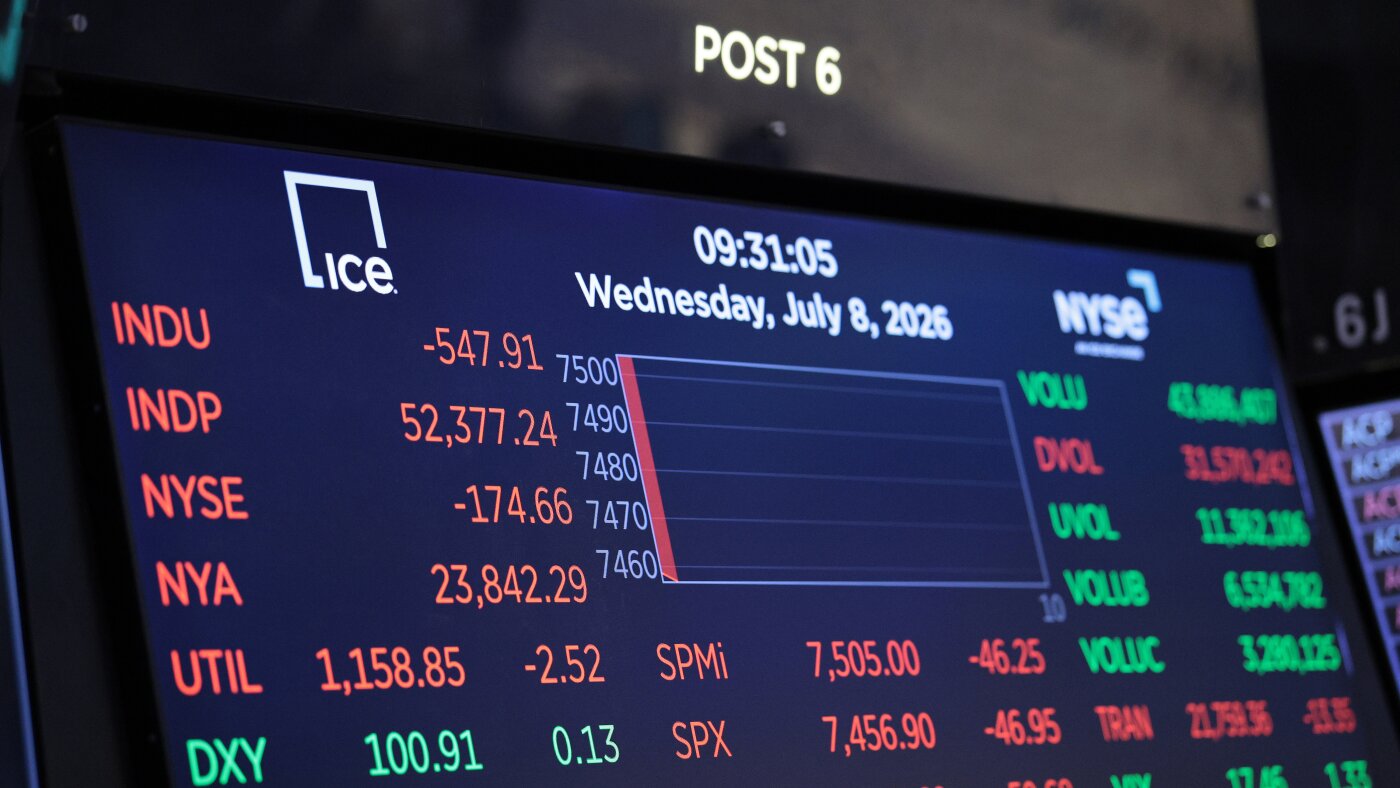
U.S. forces struck dozens of targets along Iran's coastline after President Trump announced the end of a fragile ceasefire in the Strait of Hormuz following apparent Iranian attacks on vessels transiting the strait. Crude oil benchmarks rose roughly 7% and U.S. stock indexes fell (the Dow dropped more than 800 points), while U.S. retail gasoline prices showed only a very small overnight increase. Bond yields rose and market tools showed investors increasing the probability they expect the Federal Reserve to raise interest rates soon. The International Monetary Fund has already reduced its global growth forecast for the year and warned that renewed Middle East conflict could heighten commodity volatility, disrupt supply chains, raise prices, and weigh on financial conditions. The Trump administration is also preparing additional global tariffs, which could add upward pressure on import prices later in the year.
Biblical Reflection
The article reports observable market moves and policy signals accurately, but its dominant frame is economic — measuring the event largely by oil, stocks, bond yields, and Fed odds. That focus reflects a valid public-concern lens (inflation, monetary policy, and markets), yet it can obscure other moral and human realities: the risk to civilian life, regional stability, and the long-term damage of normalized military escalation. The piece treats the ceasefire breakdown and subsequent strikes as drivers of market volatility rather than as outcomes of deeper political choices; readers should notice that emphasis and ask whether economic metrics are crowding out questions of justice, proportionality, and avenues for peace. Christian discernment calls for sober truth-telling (recognizing real economic risks), mercy toward those made vulnerable by conflict (refugees, sailors, civilians), humility about our nation's use of force, and courageous advocacy for diplomacy and de‑escalation where possible.
Scripture in context
This outlook does not yet include contextual Scripture citations. Do not treat a general biblical theme as an exegetical conclusion.
Faithful Response
No prescribed response is offered. Consider the reflection prompts below in your own church context.
Reflection and Discussion
- 1Whose perspectives are centered by the story — investors and policy makers, or the people directly affected by the fighting — and how does that choice shape our response?
- 2Does focusing on markets and inflation make us more likely to accept military escalation as 'normal' policy, and how should Christians weigh economic stability against ethical costs of conflict?
- 3What information is missing (civilian impact, regional diplomatic efforts, long-term strategy) that would change how we pray, vote, and advocate as neighbors and citizens?
Sources
Reporting links are evidence inputs; Sanctuary News' biblical reflection is commentary.
This outlook currently relies on fewer than two linked sources. Broaden verification before teaching from it.
- 1.Original reportprimary