News Summary
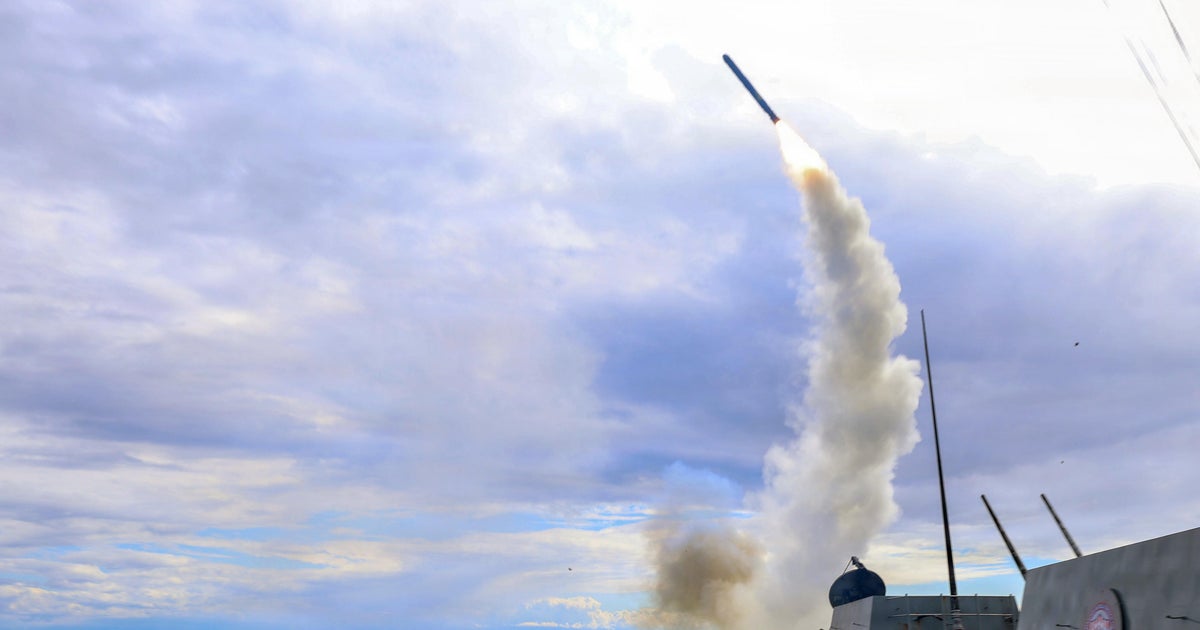
U.S. forces have fired roughly several hundred to nearly 1,000 Tomahawk cruise missiles since June 2025 in strikes on Iran and in other operations, according to multiple news estimates and two unnamed sources cited by major outlets. One source cited to media reported over 850 Tomahawks used; CBS News and other outlets summarize estimates putting the total close to 1,000. The Pentagon’s typical annual procurement of Tomahawks has been about 90 missiles per year, while existing industrial contracts indicate a maximum production capacity of about 2,330 per year if fully ramped. The Pentagon’s inventory is estimated at roughly 3,100 Tomahawks. Industry and Defense Department notices show efforts to expand production: RTX announced a framework to scale to as many as 1,000 missiles per year over multiple years, and contracts and engineering work to increase capacity extend into 2028. Officials acknowledge structural limits in the defense industrial base that make rapid wartime expansion difficult. Reported per-unit costs vary by version, roughly $2.2 million per missile for some variants, with higher costs for ship-launched or modified versions. No publicly released official cumulative total of missiles expended exists; figures are drawn from estimates, budget documents, defense experts, and anonymous sources.
Biblical Reflection
The article is factual in documenting a gap between usage and peacetime procurement rates, and it highlights a real logistical and policy issue: the strain on weapon stockpiles and the industrial base when a country uses precision munitions at high rates. From a Christian perspective, this raises questions about prudence, stewardship, and the moral cost of prolonged or intensified conflict. The reporting mainly frames the story as a materiel and readiness problem, implicitly treating higher use as a technical and budgetary challenge rather than engaging deeply with the human, ethical, or diplomatic consequences of frequent long-range strikes. Readers should note reliance on anonymous sources and varying estimates—legitimate reporting choices that nonetheless leave uncertainty about exact totals. Biblically, Christians are called both to seek justice and to pursue peace; legitimate national defense concerns must be balanced with the pursuit of just peace, careful oversight of public resources, and concern for civilian and military lives. The article rightly prompts scrutiny of government decision-making and resource stewardship, but it does not by itself settle whether the strikes were justified, proportionate, or the best route to long-term security and reconciliation.
Scripture in context
This outlook does not yet include contextual Scripture citations. Do not treat a general biblical theme as an exegetical conclusion.
Faithful Response
No prescribed response is offered. Consider the reflection prompts below in your own church context.
Reflection and Discussion
- 1What assumptions about necessity, proportion, and long-term strategy does the article make by focusing on missiles and production rather than on diplomatic, humanitarian, or ethical consequences?
- 2How much weight should we place on anonymous-source estimates and defense-industry production capacities when assessing national decisions about force and stewardship?
- 3In light of the article, how should Christians mentally balance support for legitimate defense needs with the biblical call to pursue peace and wise stewardship of public resources?
Sources
Reporting links are evidence inputs; Sanctuary News' biblical reflection is commentary.
This outlook currently relies on fewer than two linked sources. Broaden verification before teaching from it.
- 1.Original reportprimary