News Summary
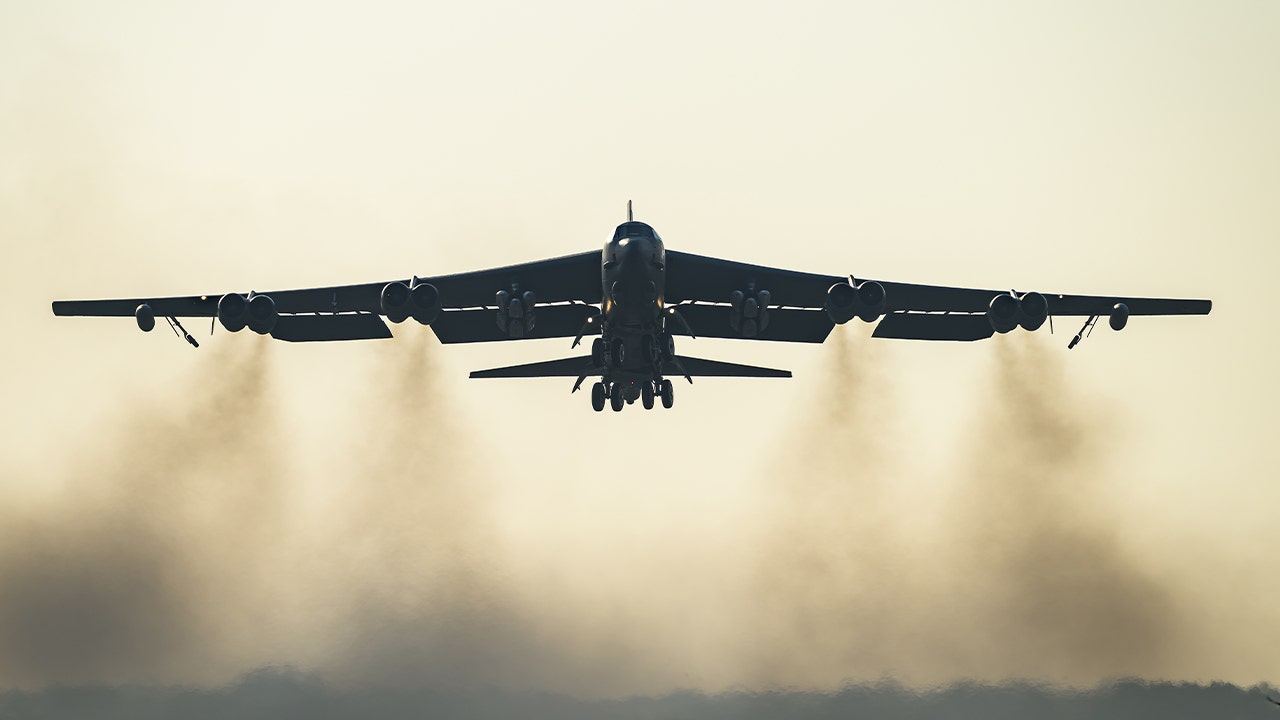
U.S. forces have begun flying B-52 bombers over parts of Iran after several weeks of strikes that U.S. officials say degraded Iranian air defenses. Chairman of the Joint Chiefs of Staff Gen. Dan Caine said the missions began as air superiority increased. President Donald Trump said Iran's air defenses had been "annihilated" and claimed the country was no longer a threat after 32 days of operations. Analysts and retired pilots quoted by the article say B-52s permit sustained, higher-volume strikes, including against mobile and hardened targets; the bomber can carry up to 70,000 pounds of ordnance but lacks stealth and is slower than modern aircraft. Earlier in the campaign B-52s fired long-range cruise missiles from outside Iranian airspace; more recently they have been seen carrying precision-guided bombs and operating from RAF Fairford in the U.K. The article notes prior use of B-2 stealth bombers in June 2025 strikes on Iranian nuclear sites and says the U.S. is employing a substantial share of its combat-capable bomber fleet. Iran denies its military has been weakened and retains missile and drone capabilities; it has used asymmetric tactics throughout the conflict. NATO allies are reported to be pursuing diplomatic efforts to reopen the Strait of Hormuz. The Pentagon was not immediately reached for comment in the piece.
Biblical Reflection
From a Christian perspective, this report highlights several spiritual and moral concerns. The article foregrounds military capability and statements of victory (including presidential declarations) while offering limited coverage of civilian harm, legal or moral justification, and the perspectives of those directly affected inside Iran. Christians should note the risk of triumphalism in wartime language—claims of a foe being "annihilated" can harden hearts, dehumanize real people, and obscure the ongoing suffering war brings. The framing centers U.S. military effectiveness and operational detail, drawing on military analysts and U.S. officials; voices about humanitarian impact, long-term regional consequences, or independent verification are largely absent, which can skew readers toward a narrow, power-centered worldview.
Biblically, the use of force is not automatically unjust, but Scripture repeatedly calls for sober discernment, care for the vulnerable, and a longing for peace. Christians should therefore be wary of narratives that celebrate military dominance without attention to truth, justice, and the welfare of noncombatants. Evaluate both the article's claims and supporting evidence critically: official assertions of "air superiority" and degraded defenses are operational assessments that may be overstated in public rhetoric. Seek out diverse, independent reporting and humanitarian updates. Pray for wisdom for leaders, protection for civilians and service members, and renewed efforts toward just and lasting peace. Advocate and pray for policies that prioritize restoration, protect innocents, and pursue diplomacy where possible.
Scripture in context
This outlook does not yet include contextual Scripture citations. Do not treat a general biblical theme as an exegetical conclusion.
Faithful Response
No prescribed response is offered. Consider the reflection prompts below in your own church context.
Reflection and Discussion
- 1Which voices are included or excluded in this reporting (military officials, analysts, Iranian civilians, independent observers), and how does that selection shape our understanding of the situation?
- 2How should Christians weigh assertions of military "victory" against the ongoing risks of escalation, civilian harm, and long-term regional instability?
- 3Do the article's words and sources encourage prudence and compassion, or do they incline readers toward triumphalism and dehumanization of the enemy?
Sources
Reporting links are evidence inputs; Sanctuary News' biblical reflection is commentary.
This outlook currently relies on fewer than two linked sources. Broaden verification before teaching from it.
- 1.Original reportprimary