News Summary
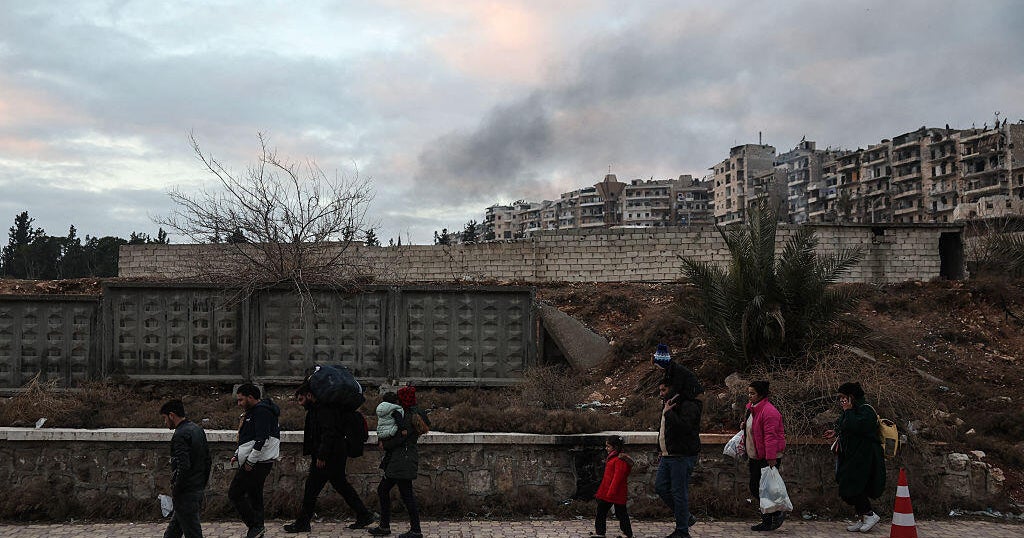
The article reports on renewed violence and deadly clashes in Aleppo, Syria, between Syrian government forces and Kurdish fighters, primarily over disagreements about merging Kurdish-led forces into the Syrian national army. The fighting has resulted in at least 22 deaths, dozens of injuries, and the displacement of more than 140,000 people. Both sides accuse each other of targeting civilians and using civilian infrastructure, including hospitals, for military purposes. The United States envoy to Syria, Tom Barrack, met with Syria's president and called for a return to dialogue, urging all parties to exercise restraint and cease hostilities. The U.S. lifted some sanctions on Syria, citing the opportunity for a unified nation, and also conducted strikes against Islamic State targets elsewhere in Syria. Jordan has offered support for ceasefire efforts, while the region remains tense amid ongoing military operations and accusations.
Biblical Reflection
From a biblical perspective, the violence, displacement, and suffering described in this conflict stand in stark contrast to Christ's teachings about peacemaking, justice, and the value of every human life. The repeated cycles of accusation and retaliation underscore humanity's brokenness and the dangers of pride, vengeance, and the refusal to seek reconciliation. Scripture calls for dialogue, forgiveness, and respect for all people, regardless of their ethnic or religious background (Matthew 5:9; Romans 12:18). The displacement of so many innocent civilians and the targeting of medical facilities are especially grievous, as care for the vulnerable and the sanctity of life are foundational Christian principles. While political solutions may be complex, the biblical mandate is clear: we are to pray and work for peace, to protect the innocent, and to urge all leaders toward justice, mercy, and humility before God. Christians are called to mourn with those who mourn and to advocate for reconciliation and restoration, even in the face of deep division.
Scripture in context
This outlook does not yet include contextual Scripture citations. Do not treat a general biblical theme as an exegetical conclusion.
Faithful Response
No prescribed response is offered. Consider the reflection prompts below in your own church context.
Reflection and Discussion
- 1How can you be a peacemaker in your own relationships and community when conflict arises?
- 2In what ways can you advocate for or support those who are suffering due to violence or displacement?
- 3What does it look like to pray for and desire reconciliation between deeply divided groups, even when it seems impossible?
Sources
Reporting links are evidence inputs; Sanctuary News' biblical reflection is commentary.
This outlook currently relies on fewer than two linked sources. Broaden verification before teaching from it.
- 1.Original reportprimary