News Summary
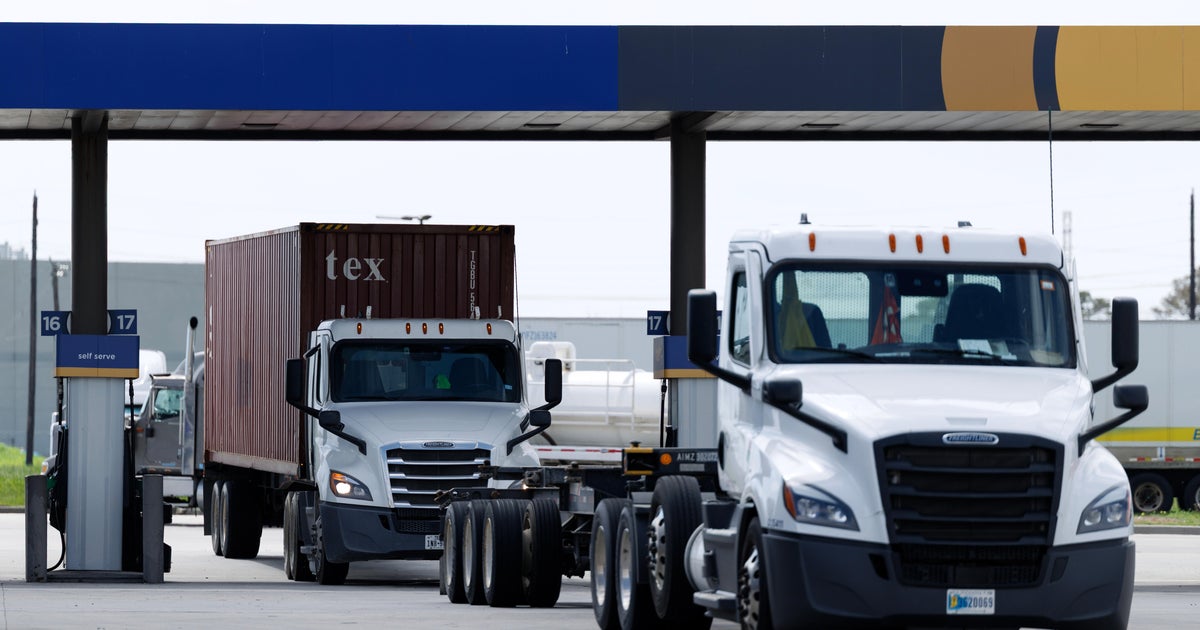
U.S. diesel prices rose above $5.00 a gallon (reported at $5.04) — the highest level since December 2022 — driven largely by disruptions to global oil supply linked to the war with Iran. Brent crude has risen above $100 a barrel after Iranian attacks on oil and gas facilities in the Persian Gulf and incidents such as a drone strike in the UAE’s Fujairah oil zone. Shipping through the Strait of Hormuz has been disrupted; roughly 20% of global oil passes there. President Trump has publicly considered a military operation to escort ships and urged other nations to help reopen the strait. Analysts note diesel is rising faster than gasoline (diesel up ~34% since March 1 vs. gasoline up ~27%) due partly to preexisting distillate shortages after cold weather increased heating oil demand. Experts warn rising diesel costs will raise transportation costs for trucks, trains and barges, with likely spillover into consumer prices (groceries, goods), and strain on industries that rely on diesel such as trucking, construction and farming. Economists caution these increases can produce broader inflationary pressure and disrupt business budgets that cannot quickly absorb fuel surcharges.
Biblical Reflection
Through a biblical lens, this story raises several moral and pastoral concerns. First, supply shocks and fuel-price inflation disproportionately burden the poor, rural families, small farmers and day-laborers — groups Scripture repeatedly calls us to protect (e.g., care for the poor and vulnerable). Rising costs for basics (food, construction, freight) test our communal compassion and stewardship. Second, the article highlights the moral weight of political and military choices. Calls for military escort of shipping may be intended to protect commerce, yet the Bible urges peacemaking and prudence in the use of force; leaders must weigh consequences for civilians, the escalation of conflict, and the long-term cost to the vulnerable. Third, there is a stewardship question for Christian households and congregations: higher fuel and food costs demand wise planning, charity, and prioritizing assistance to neighbors. Practically, the church is called both to advocate for policies that protect the vulnerable and to step in where markets and geopolitics produce hardship — for example, supporting food banks, assisting farmers and truckers in crisis, or urging leaders toward diplomatic solutions that pursue lasting peace. Finally, this situation is a reminder that earthly systems are fragile; Christians are called to trust God’s provision while acting responsibly and compassionately in the face of economic strain.
Scripture in context
This outlook does not yet include contextual Scripture citations. Do not treat a general biblical theme as an exegetical conclusion.
Faithful Response
No prescribed response is offered. Consider the reflection prompts below in your own church context.
Reflection and Discussion
- 1Who in my community will be most affected if diesel and transport costs continue to rise, and how can I or my church respond practically?
- 2How should Christians pray for and advise leaders when national security and commercial interests push toward military responses?
- 3What steps can I take now to exercise wise stewardship so that I am better prepared to help others during economic strain?
Sources
Reporting links are evidence inputs; Sanctuary News' biblical reflection is commentary.
This outlook currently relies on fewer than two linked sources. Broaden verification before teaching from it.
- 1.Original reportprimary