News Summary
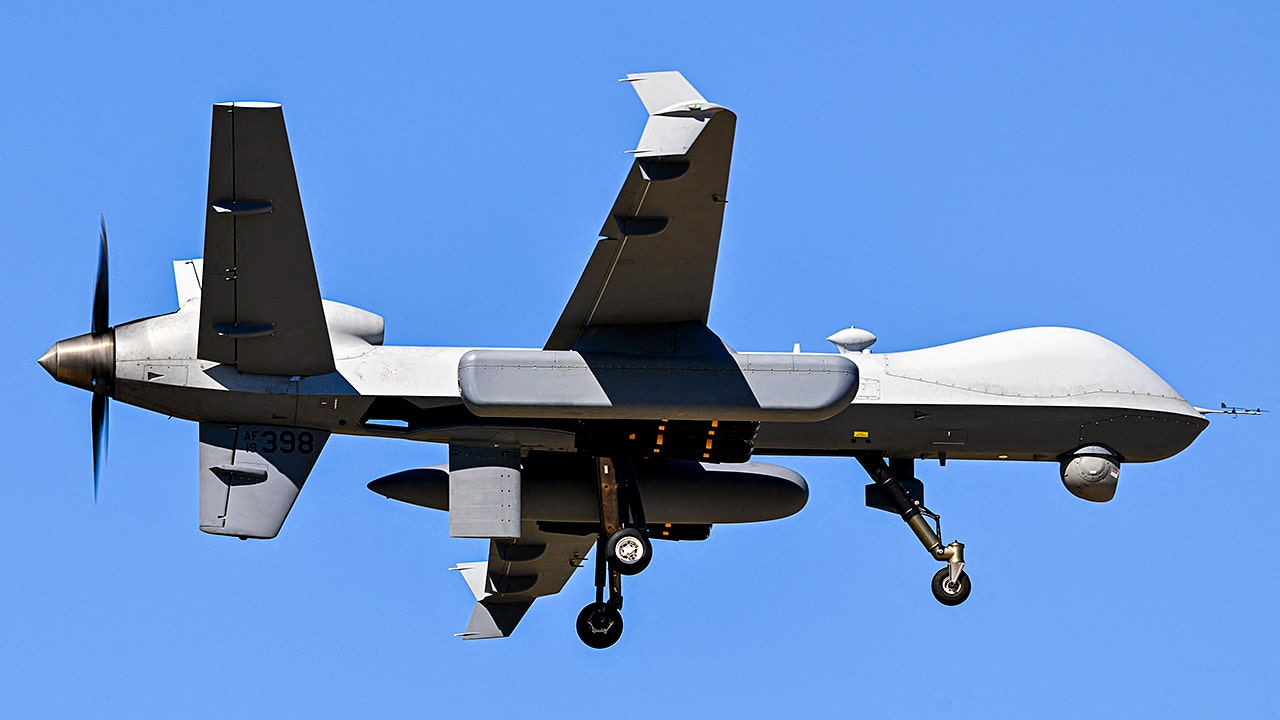
The U.S. military has deployed MQ-9 Reaper drones to Nigeria and sent about 200 U.S. troops to the country. The troops arrived last month and are operating from Bauchi Airfield in northeast Nigeria. AFRICOM says U.S. personnel are working with Nigerian forces to provide intelligence support, advisory assistance, and targeted training. AFRICOM also states the MQ-9s will be used in Nigeria for intelligence-gathering and training; the precise number of drones deployed is unclear. The deployment follows a new security partnership and U.S. strikes against Islamic State–linked fighters on Dec. 26, 2025. Nigeria faces a complex security crisis in the north involving groups such as Boko Haram, its IS-affiliated breakaway faction ISWAP, ISIS-linked Lakurawa, and various criminal “bandit” groups responsible for kidnappings and illegal mining. Recent suspected suicide bombings in Maiduguri killed at least 23 people and wounded over 100; no group immediately claimed responsibility. The Office of the Director of National Intelligence and the U.S. State Department describe Boko Haram as an extremist group seeking to impose Islamic law and note it has been designated a Foreign Terrorist Organization since 2013.
Biblical Reflection
From a Christian perspective, the deployment reflects a desire to protect civilians and provide intelligence and capacity-building support to a partner state facing violent extremism—aims that align with the biblical call to defend the vulnerable and pursue justice. At the same time, Christians should read reports like this with careful discernment. Media frames that emphasize particular victims (for example, Christians) or political messaging may simplify complex local causes (ethnic tensions, economic drivers, criminality) and can inflame sectarian interpretations. Military tools such as drones can help prevent attacks and save lives when used responsibly, but they also carry risks: civilian harm, escalation, reliance on foreign forces rather than local governance solutions, and erosion of local sovereignty. The Christian response should hold together care for the oppressed (Practical protection, humanitarian relief, and advocacy) with prudence about the limits of force. We should pray for wise counsel for leaders, for accountability and transparency in military actions, and for the church in Nigeria to minister to all who suffer, resisting narratives that reduce human beings to political symbols. Ultimately, the gospel calls us to seek justice and peace (shalom) in ways that protect life and dignity while pushing for long-term reconciliation and structural remedies to poverty and corruption that fuel violence.
Scripture in context
This outlook does not yet include contextual Scripture citations. Do not treat a general biblical theme as an exegetical conclusion.
Faithful Response
No prescribed response is offered. Consider the reflection prompts below in your own church context.
Reflection and Discussion
- 1What assumptions about motives and victims appear in the article’s framing, and how might those assumptions simplify the complex social, economic, and political causes of violence in Nigeria?
- 2How should Christians weigh the immediate need to protect life through security assistance against the long-term need for justice, good governance, and reconciliation in contexts of insurgency?
- 3Where might calls for compassion and advocacy for all civilian victims be overshadowed by partisan or sectarian narratives, and how can believers insist on both truth and mercy in public conversation?
Sources
Reporting links are evidence inputs; Sanctuary News' biblical reflection is commentary.
This outlook currently relies on fewer than two linked sources. Broaden verification before teaching from it.
- 1.Original reportprimary