News Summary
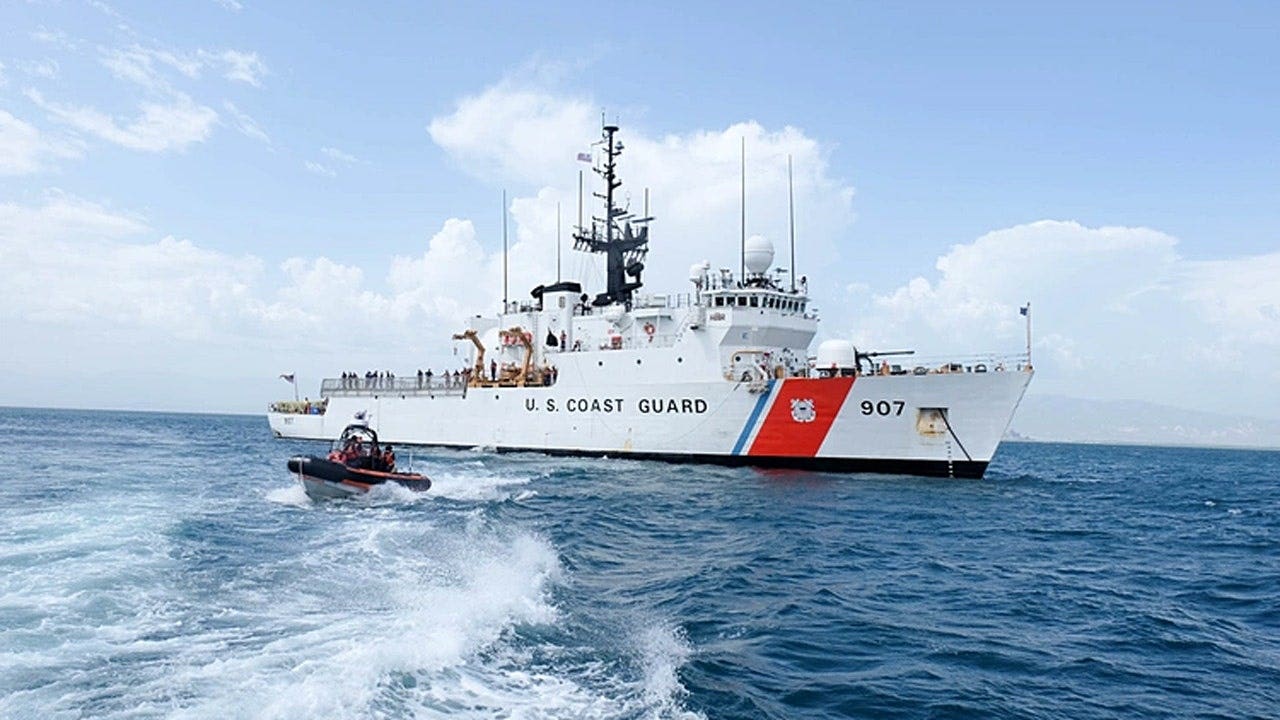
On Easter Sunday, the U.S. Coast Guard cutter Escanaba, operating in the Eastern Pacific off the coast of Manta, Ecuador, recovered more than 4,510 pounds of cocaine from a vessel described by the Department of Homeland Security (DHS) as a suspected "narcoterrorist" vessel. A maritime patrol aircraft first alerted the Escanaba after observing crew throwing contraband overboard. The Coast Guard deployed an MH-65 Dolphin helicopter aircrew and a cutter pursuit boat to investigate and recover the narcotics. DHS valued the seizure at nearly $34 million. DHS Secretary Markwayne Mullin said the seizure was part of Operation Pacific Viper, a joint Coast Guard–Navy counter-drug effort launched in August 2025. DHS statements also noted that Operation Pacific Viper has, according to their figures, seized more than 215,000 pounds of cocaine and resulted in over 160 arrests; DHS referenced earlier large interdictions in August and November 2025 when combined offloads totaled tens of thousands of pounds.
Biblical Reflection
From a Christian perspective, this report highlights both the real harms of the illegal drug trade and the role of civil authorities in protecting communities. The seizure itself appears to be a concrete law-enforcement success that interrupts the flow of harmful substances and likely prevents local addiction, violence, and family breakdown. At the same time, readers should notice the source and framing: most facts come from DHS statements, and language like "narcoterrorist" and references to presidential policy emphasize a security and political narrative. That framing can be accurate for some actors, but it is also a policy designation that carries political and legal implications; the article does not include independent verification or perspectives from affected communities or nations. Biblically, we are called to both pursue justice and show mercy (Micah 6:8). Seizures and arrests address symptoms of a deeper problem — demand for drugs, poverty, corruption, and broken social systems — that the article does not explore. Christians should therefore hold a twofold truth: we can affirm the pursuit of justice that protects the vulnerable, while also remembering the pastoral call to care for addicts, address root causes, and seek restoration for those entangled in trafficking. Finally, be wary of unexamined political messaging in official statements; weigh reported achievements against independent data and the broader human costs involved.
Scripture in context
This outlook does not yet include contextual Scripture citations. Do not treat a general biblical theme as an exegetical conclusion.
Faithful Response
No prescribed response is offered. Consider the reflection prompts below in your own church context.
Reflection and Discussion
- 1What assumptions or policy goals shape the language officials and the article use (e.g., "narcoterrorist"), and how might that affect what details are included or omitted?
- 2How does focusing on interdictions and seizure totals obscure the deeper social, economic, and spiritual causes of drug trafficking and addiction?
- 3In what ways should Christians balance support for lawful efforts to protect communities with compassion for those harmed by or caught in the drug trade?
Sources
Reporting links are evidence inputs; Sanctuary News' biblical reflection is commentary.
This outlook currently relies on fewer than two linked sources. Broaden verification before teaching from it.
- 1.Original reportprimary