News Summary
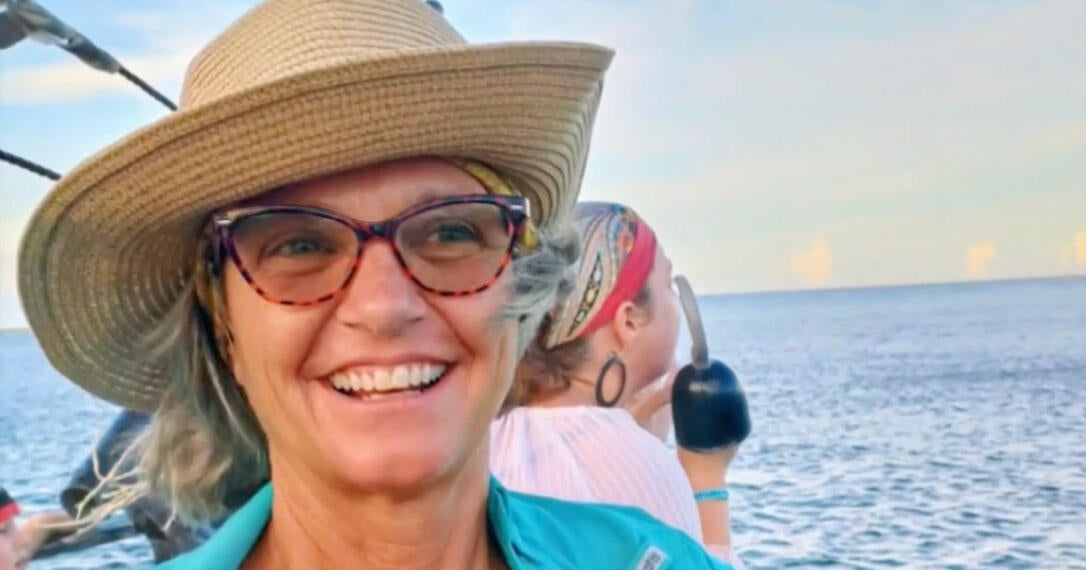
On May 28, 2026, a source told CBS News that the Bahamian government granted the U.S. Coast Guard Investigative Service permission to send divers to canvass previously unsearched areas in the investigation into the disappearance of 55-year-old Michigan resident Lynette Hooker. Hooker was reported missing on April 5, 2026; her husband, Brian Hooker, told authorities the couple had taken a nighttime dinghy ride from Elbow Cay and that Lynette fell from the dinghy and was swept away with the boat keys, leaving him to paddle back to shore. Brian Hooker was initially arrested in connection with the disappearance but was later released and has not been charged; he denies wrongdoing. U.S. investigators obtained GPS data that prompted a relaunch of the search; that data appeared to contradict Brian Hooker’s account of where Lynette Hooker was on the night she disappeared. Coast Guard investigators earlier seized the sailboat Soulmate, the couple’s vessel, about 40 nautical miles south of Florida. Sources told CBS News that an infrared camera capable of detecting heat radiation, using cloud memory, was aboard the Soulmate and investigators are checking whether it was in use the night of the disappearance. Federal investigators are also attempting to identify the owners or occupants of a sailboat that may have been moored next to the Soulmate in Aunt Pat’s Bay on the night in question. Lynette Hooker’s daughter, Karli Aylesworth, told CBS News she doubts her father’s account and questioned how Lynette would have had the keys.
Biblical Reflection
This report describes an ongoing criminal investigation in which authorities are pursuing additional search options and examining technical evidence. From a Christian vantage point, the article highlights two important duties: the pursuit of truth and the call to compassionate restraint. Seeking facts—through permits for searches, GPS data, forensic tools, and witness interviews—serves justice and honors the value of a missing person. At the same time, the coverage and public reaction can rush to assign guilt or certainty before investigators complete their work. Christians are called both to advocate for thorough, lawful inquiry and to resist sensationalizing the suffering of real people. Watch for subtle biases in the reporting that emphasize suspicion (detailed descriptions of evidence or unverified motives) over confirmed findings; such emphasis can shape public opinion prematurely. Pray for clarity for investigators, fair treatment for the accused under due process, and pastoral care for the grieving family. Also note the constructive element of international cooperation—the Bahamian permission to allow U.S. divers—showing how respectful collaboration advances the search for truth.
Scripture in context
This outlook does not yet include contextual Scripture citations. Do not treat a general biblical theme as an exegetical conclusion.
Faithful Response
No prescribed response is offered. Consider the reflection prompts below in your own church context.
Reflection and Discussion
- 1Am I forming conclusions from fragments of reporting, or waiting for verified findings from investigators?
- 2How does the use of technical evidence (GPS, infrared cameras) shape our confidence in a narrative, and what limits should we remember about such tools?
- 3Are we balancing the need for justice with compassion for all involved—the missing person, the family, and anyone accused but not charged?
Sources
Reporting links are evidence inputs; Sanctuary News' biblical reflection is commentary.
This outlook currently relies on fewer than two linked sources. Broaden verification before teaching from it.
- 1.Original reportprimary