News Summary
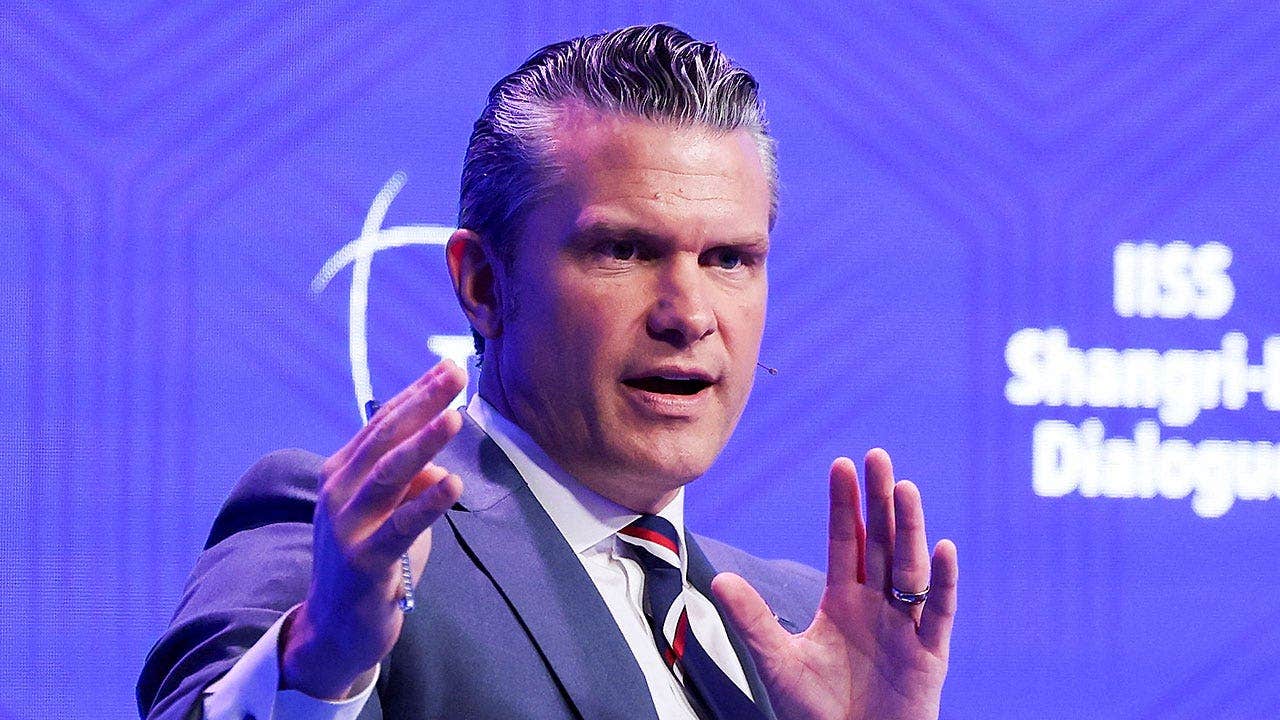
U.S. War Secretary Pete Hegseth told NATO officials in Brussels that the United States will conduct a six-month review of U.S. force deployment in Europe. He said the review is intended to ensure NATO moves quickly toward Europe taking primary responsibility for its own defense and that outcomes will depend on how rapidly European countries increase their military support and provide access to basing and overflight. Hegseth criticized some European allies for refusing to assist U.S. operations in the war against Iran and for denying predictable access to bases and overflight, saying that such refusals put American service members at risk. He further argued that many European governments have deprioritized defense in favor of social policy, migration openness, and climate priorities, contributing to reduced defense budgets. The article notes Germany’s stated intent—led by Chancellor Friedrich Merz and echoed by Germany’s ambassador to the U.S.—to expand its military role and build a stronger conventional force for Europe, and references prior NATO commitments to increase defense spending. The reporting is sourced to Fox News Digital with contributions from the Associated Press and includes direct quotes from Hegseth and German officials.
Biblical Reflection
From a Christian pastoral perspective, the announcement raises legitimate questions about burden-sharing, the safety of service members, and the stewardship of national resources. Calling allies to take responsibility for their own defense can be a reasonable policy aim, but the tone and selective criticisms in the article risk inflaming division rather than fostering cooperative problem-solving. The piece presents strong assertions—e.g., that allies denied access during operations related to Iran—without detailed evidence about which countries or decisions are being referenced, so readers should be cautious about accepting all claims at face value. Christian discernment calls for truthfulness and humility: verify specific facts, avoid scapegoating entire peoples or governments, and consider the human costs of shifting force posture (both for soldiers and for civilians in allied countries). The posture Hegseth describes—conditioning U.S. presence on allied action—could pressure allies to invest more in defense and strengthen deterrence, which may protect the vulnerable if done transparently and cooperatively; but if wielded as blunt leverage it could erode trust, increase instability, and make collective security harder. Christians should pray for wisdom for leaders, seek peace where possible, defend the innocent, and promote honest, humble dialogue among allies rather than triumphal rhetoric.
Scripture in context
This outlook does not yet include contextual Scripture citations. Do not treat a general biblical theme as an exegetical conclusion.
Faithful Response
No prescribed response is offered. Consider the reflection prompts below in your own church context.
Reflection and Discussion
- 1What specific evidence is offered for the claim that allies denied access and thereby endangered U.S. troops, and which countries or incidents are being referenced?
- 2Is the framing using national security concerns to pressure political or cultural grievances, and how might that affect trust among allies?
- 3How should Christians weigh the call for stronger defense and deterrence against the biblical call to pursue peace and protect the vulnerable?
Sources
Reporting links are evidence inputs; Sanctuary News' biblical reflection is commentary.
This outlook currently relies on fewer than two linked sources. Broaden verification before teaching from it.
- 1.Original reportprimary