News Summary
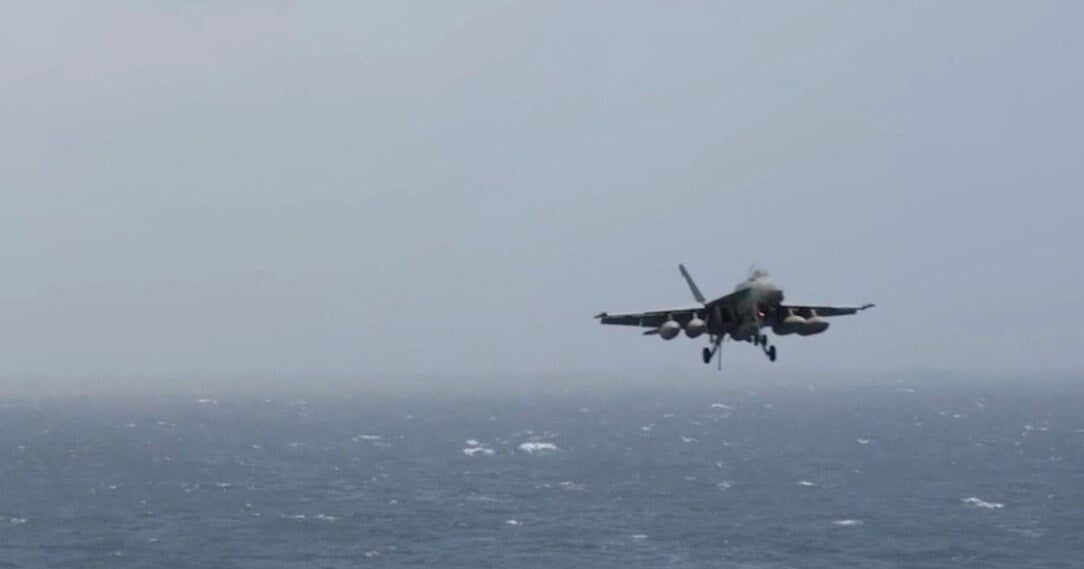
U.S. Central Command (CENTCOM) announced a new wave of airstrikes on Iran on the morning of July 15, 2026, following a seven-hour barrage overnight and marking at least four consecutive nights of strikes. CENTCOM said the strikes targeted missile, drone, coastal defense and other military sites that it alleges were used to attack commercial shipping in and around the Strait of Hormuz. President Trump publicly endorsed and expanded the campaign, saying the U.S. had reimposed a naval blockade on Iranian ports and would continue strikes, including threats against bridges and power plants if Iran did not negotiate. Iranian officials reported more than 260 injured from the latest overnight strikes; another Iranian government spokesperson claimed at least 30 deaths in recent days without specifying dates. Regional U.S. allies reported Iranian attacks and defensive actions: Kuwait said it confronted hostile drone attacks and shot down dozens of drones and missiles; Bahrain reported alert sirens; Jordan said it shot down three missiles. Brent crude oil rose above $85 per barrel amid continued disruption to shipping. Experts and human-rights observers have warned that attacks on civilian infrastructure can amount to war crimes, though the U.S. administration maintains it is striking military targets used against commercial shipping.
Biblical Reflection
The article reports rapidly escalating military actions between the U.S. and Iran with clear, concrete impacts on civilians, regional partners, and global energy markets. It largely presents official statements from CENTCOM, the U.S. president, and Iranian spokespeople; casualty figures and claims of responsibility are inconsistent across sources. From a Christian perspective, the facts call for careful discernment: the moral distinction between legitimate military targets and attacks on civilian infrastructure matters deeply, and rhetoric that threatens power plants and bridges raises serious ethical and legal concerns because it risks harm to noncombatants. The article's framing emphasizes military objectives and economic effects (oil prices) more than civilian suffering and diplomatic alternatives, reflecting a worldview that prioritizes strategic power and deterrence. A Christian response should press for verified truth, protect the vulnerable, resist dehumanizing language about the enemy, and advocate for every possible avenue of restraint and negotiated peace while holding leaders accountable to moral and legal norms.
Scripture in context
This outlook does not yet include contextual Scripture citations. Do not treat a general biblical theme as an exegetical conclusion.
Faithful Response
No prescribed response is offered. Consider the reflection prompts below in your own church context.
Reflection and Discussion
- 1Whose voices are centered in this coverage—military and political officials or civilians affected on the ground—and how does that shape our moral assessment?
- 2When leaders publicly threaten civilian infrastructure, does that rhetoric reflect accountability and justice or a willingness to harm noncombatants?
- 3How does emphasizing economic indicators (like oil prices) change our perception of the human cost and urgency of pursuing diplomatic solutions?
Sources
Reporting links are evidence inputs; Sanctuary News' biblical reflection is commentary.
This outlook currently relies on fewer than two linked sources. Broaden verification before teaching from it.
- 1.Original reportprimary