News Summary
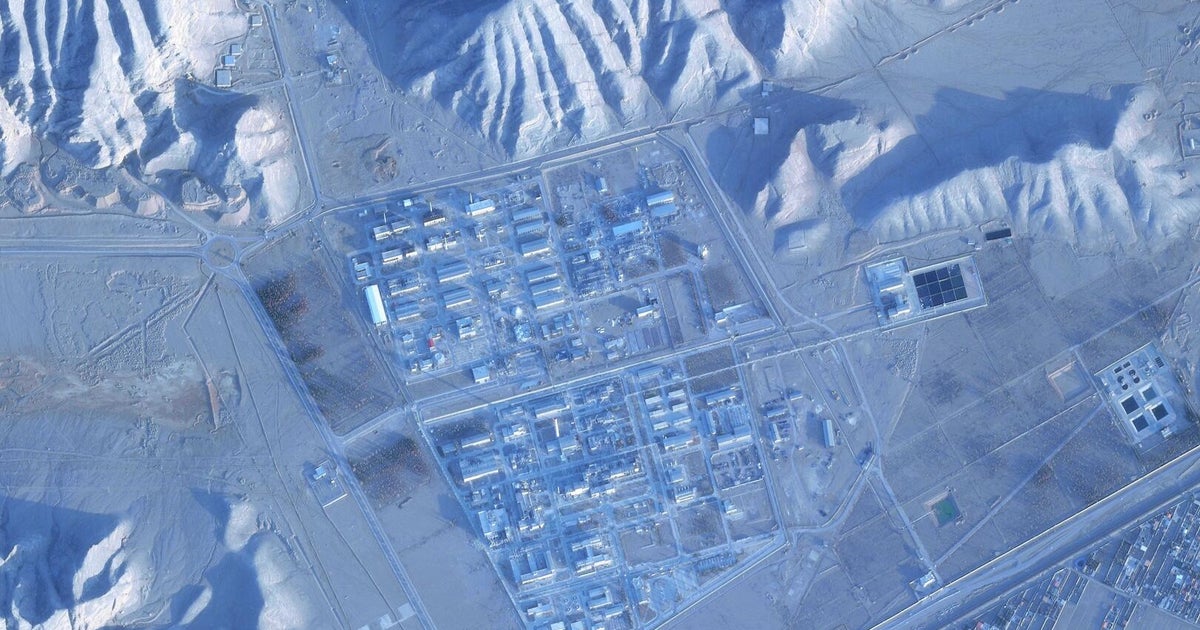
The article reports on the urgent warning from Rafael Grossi, the chief of the United Nations' International Atomic Energy Agency (IAEA), regarding the risks if a diplomatic agreement is not reached between the U.S. and Iran over Iran's nuclear program. Despite recent U.S. military strikes on Iranian nuclear facilities, most of Iran’s enriched nuclear material remains intact, posing a significant proliferation risk. Ongoing Geneva negotiations have seen some progress, but key issues are unresolved. President Trump has increased U.S. military presence in the region and threatened additional strikes if Iran does not agree to curtail its nuclear ambitions. The IAEA notes no current evidence that Iran is actively seeking nuclear weapons, and both sides seem willing to talk, though the situation remains tense. The presence of Russian forces in joint exercises with Iran heightens the risk of wider conflict. Other nations, such as Poland, are advising their citizens to leave Iran due to the possibility of imminent hostilities.
Biblical Reflection
From a scriptural perspective, this news story highlights the tension between the world’s pursuit of power and security through military might, and God’s call to pursue peace, reconciliation, and trust in His sovereignty. Scripture teaches that true peace cannot be achieved through threats or violence, but through justice, humility, and honest dialogue (Matthew 5:9; James 3:17-18). The urgency for negotiation and the warnings against escalation echo the biblical imperative to seek peace and pursue it (Psalm 34:14). While leaders may claim to seek safety for their people, their reliance on force and the rhetoric of mutually assured destruction stand in contrast to the biblical model of peacemaking and trust in God’s ultimate authority over nations (Isaiah 2:4). Christians are called to pray for leaders and all those in authority, that wisdom and restraint may prevail and that the dignity of all people is upheld. The situation also reminds us of the fragility of human efforts at peace when not anchored in the justice and compassion God commands.
Scripture in context
This outlook does not yet include contextual Scripture citations. Do not treat a general biblical theme as an exegetical conclusion.
Faithful Response
No prescribed response is offered. Consider the reflection prompts below in your own church context.
Reflection and Discussion
- 1In what ways can we, as followers of Christ, promote peace amid global tensions and fear?
- 2How do we discern when to speak out or pray for justice and restraint among our leaders?
- 3What does it look like to trust God’s sovereignty when the world seems consumed by threats and conflict?
Sources
Reporting links are evidence inputs; Sanctuary News' biblical reflection is commentary.
This outlook currently relies on fewer than two linked sources. Broaden verification before teaching from it.
- 1.Original reportprimary