News Summary
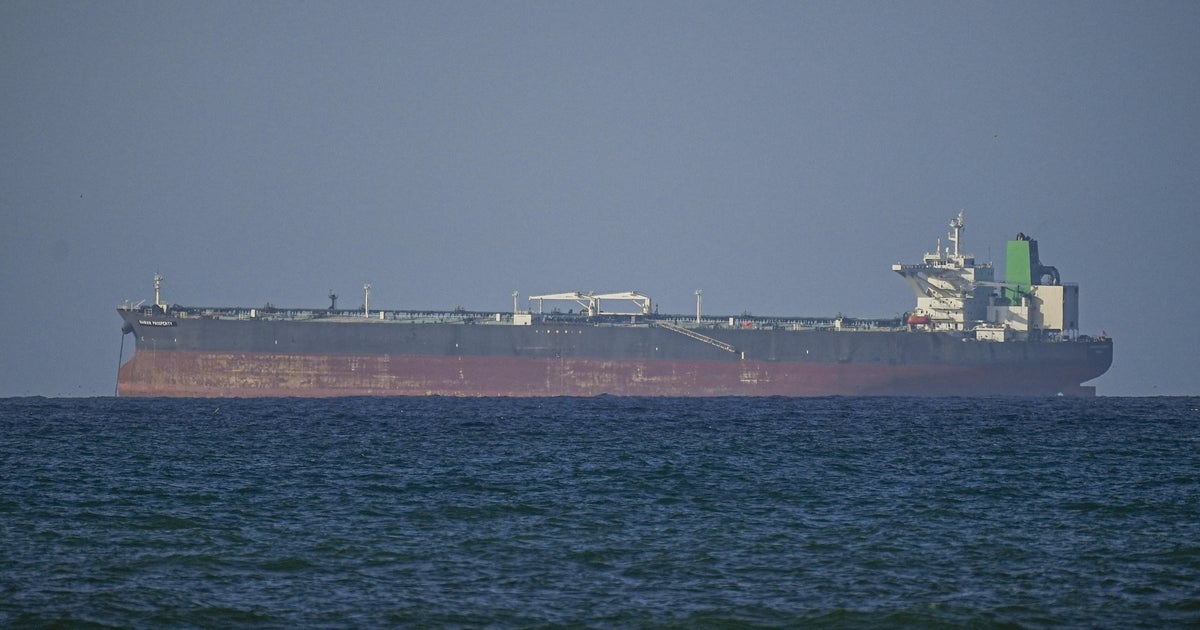
U.S. Central Command (CENTCOM) reported that two U.S. Navy destroyers transited the Strait of Hormuz and began mine-clearing operations in the Arabian Gulf. CENTCOM said additional U.S. forces, including underwater drones, will join the clearance effort in the coming days. President Donald Trump posted that the United States was clearing mines from the strait, said Iran's mine-laying ships had been destroyed, and told reporters that minesweepers were working in the waterway. Vice President J.D. Vance was in Islamabad for trilateral talks involving Iran and Pakistan; the report notes this marked the first face-to-face U.S.-Iran talks at that level since 1979. U.S. officials previously assessed that at least a dozen underwater mines, including Iranian-made Maham 3 (moored) and Maham 7 (seabed/sticking) devices, had been placed in the strait; drones and missiles also had been used to impede ship passage. The article notes that about 20% of global oil supply is shipped through the strait, that maritime traffic was largely halted during six weeks of conflict, and that a two-week ceasefire has led to only limited resumption of traffic. Analysts cited in the story said global oil supply and energy infrastructure damage mean disruptions could persist for months even if the ceasefire holds.
Biblical Reflection
From a Christian perspective, this story highlights two pressing realities: the moral complexity of protecting civilians and global commerce, and the spiritual cost of military conflict and escalatory rhetoric. The reported U.S. mine‑clearing operation is a defensive and humanitarian action in practical terms—removing hazards that endanger civilian mariners and global energy supplies—but it occurs within a broader context of war, threats, and mutual accusations. Media accounts rely on military and intelligence statements; those are legitimate sources but not infallible, so Christians should be cautious about accepting claims uncritically (especially public assertions that may serve political or strategic aims). Rhetoric that dehumanizes opponents or treats escalation as spectacle risks hardening hearts and narrowing imagination for peaceful solutions. Scripture calls believers to seek peace and to act justly (e.g., peacemaking, protecting the vulnerable). At the same time, the Bible recognizes the need for authorities to restrain wrongdoing (Romans 13), which can include legitimate defensive actions to protect innocent life and commerce. Discerning readers should therefore weigh three strands together: the ethical imperative to protect civilians and economic lifelines, the responsibility to avoid inflammatory or dishonest rhetoric that fuels enmity, and the priority of pursuing diplomatic pathways to durable peace. Pray for clarity about facts, restraint among leaders, provision and protection for those at risk (sailors and civilians), and for wisdom to support policies that minimize harm and pursue reconciliation.
Scripture in context
This outlook does not yet include contextual Scripture citations. Do not treat a general biblical theme as an exegetical conclusion.
Faithful Response
No prescribed response is offered. Consider the reflection prompts below in your own church context.
Reflection and Discussion
- 1What assumptions does this report make by relying primarily on military and government statements, and what perspectives (Iranian, regional, commercial shipping companies, local civilians) are underrepresented?
- 2How does the language used by political leaders (threats, absolutes about victory or destruction) affect public perception and the prospects for de-escalation?
- 3How should Christians weigh the duty to protect innocent life and commerce against the Biblical call to pursue peace and reconciliation?
Sources
Reporting links are evidence inputs; Sanctuary News' biblical reflection is commentary.
This outlook currently relies on fewer than two linked sources. Broaden verification before teaching from it.
- 1.Original reportprimary