News Summary
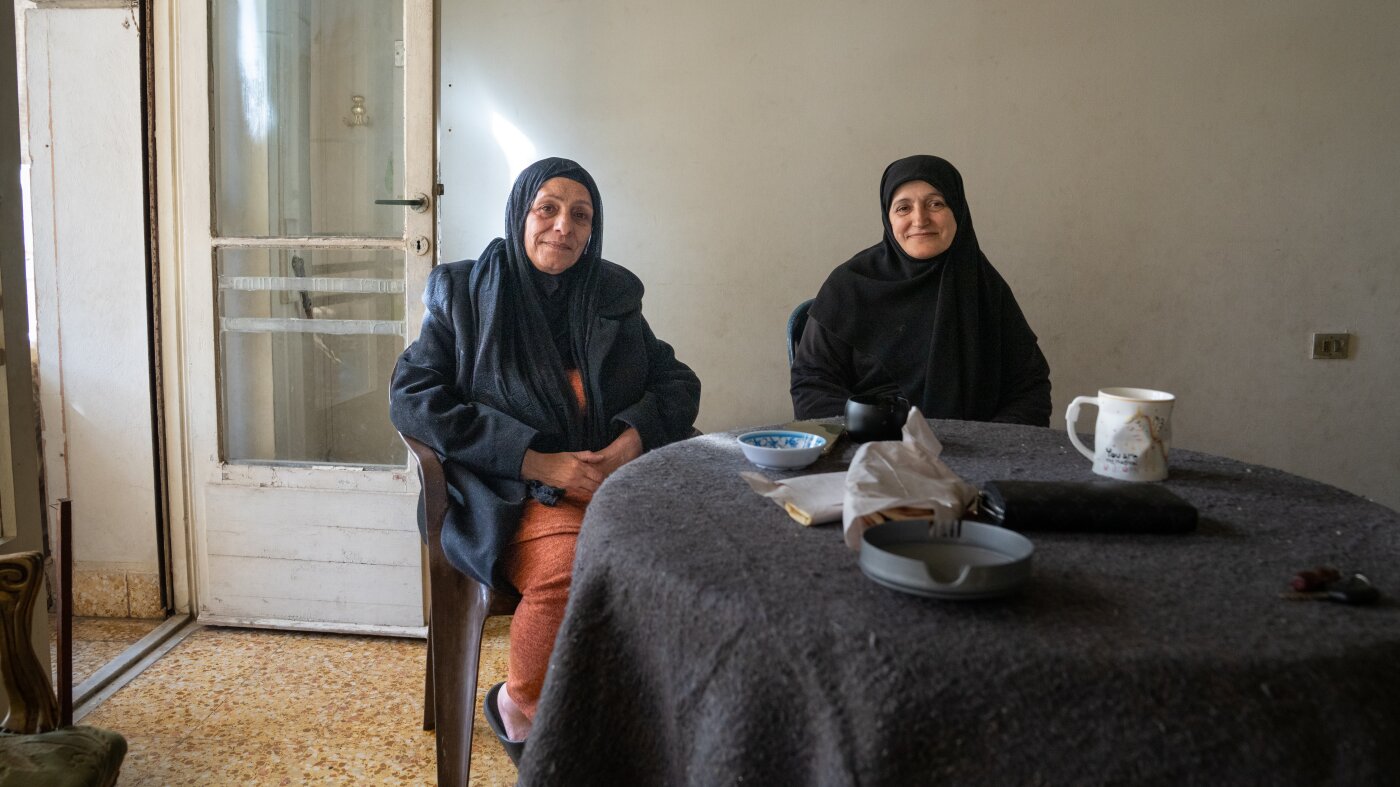
Two women from southern Lebanon, Mariam Allawiya (60) and Kafa Wehbe (67), are living with dozens of relatives in a vacant apartment building in central Beirut after being displaced by recent Israeli military operations. The Lebanese government says more than one million people have been displaced since the latest escalation, which began after Hezbollah fired rockets into Israel and amid broader regional tensions involving the U.S., Israel, and Iran. Both women grew up in southern Lebanon; their families' homes in Maroun al-Ras and other southern villages were destroyed in earlier Israeli operations in 1982, 2006 and again in 2024. The article recounts the cycle of destruction and rebuilding, the historical rise of Hezbollah during the 1982 invasion, and why some southern Lebanese view Hezbollah as a protector while other Lebanese blame the group for drawing the country into recurring wars. The piece describes immediate humanitarian consequences: disruption of cancer treatment for Allawiya, schooling interrupted for grandchildren, and uncertainty about returning because Israel says it may hold a buffer zone south of the Litani River. The article notes a temporary ceasefire was announced but that residents remain wary after heavy strikes in Beirut during the truce period.
Biblical Reflection
The article is a human-interest account that centers the lived experience of civilians who have borne repeated cycles of violence. From a Christian perspective this reporting rightly draws attention to the vulnerable — the elderly, pregnant women, children, and those losing access to medical care — and calls for compassion and practical help. The piece also conveys local perspectives that see armed resistance (in this case Hezbollah) as both protector and provocation; it includes those sympathies while briefly noting that others blame the group for escalation. Readers should notice two things: 1) the article’s primary truth is the tangible suffering of noncombatants, which Scripture repeatedly calls believers to alleviate; 2) the narrative of who is justified in fighting and what strategies produce justice is contested. The article does not adjudicate the legal or moral claims of state or nonstate actors, nor does it unpack the broader geopolitical dynamics in depth — it privileges personal memory and fear, which is valuable but partial. Biblically, Christians are called to seek justice, love mercy, and pursue peace (Micah 6:8; Matthew 5:9). That means offering relief to displaced people, lamenting the loss and trauma described, and resisting the easy impulse to romanticize or demonize any party without weighing how actions affect civilians. We should be wary of worldviews that equate military might with moral righteousness or that normalize recurring cycles of revenge; Scripture calls for accountability and protection of the innocent, and for peacemaking as a central Christian vocation.
Scripture in context
This outlook does not yet include contextual Scripture citations. Do not treat a general biblical theme as an exegetical conclusion.
Faithful Response
No prescribed response is offered. Consider the reflection prompts below in your own church context.
Reflection and Discussion
- 1Whose voices are centered in this story, and whose perspectives (political, military, international) are missing or minimized?
- 2How does personal trauma and collective memory shape a community’s support for armed groups, and how should Christians weigh those claims alongside the call to protect innocent life?
- 3When news emphasizes cyclical violence, what assumptions does it invite about permanence of conflict, and how can Christians resist fatalism while advocating for justice and mercy?
Sources
Reporting links are evidence inputs; Sanctuary News' biblical reflection is commentary.
This outlook currently relies on fewer than two linked sources. Broaden verification before teaching from it.
- 1.Original reportprimary