News Summary
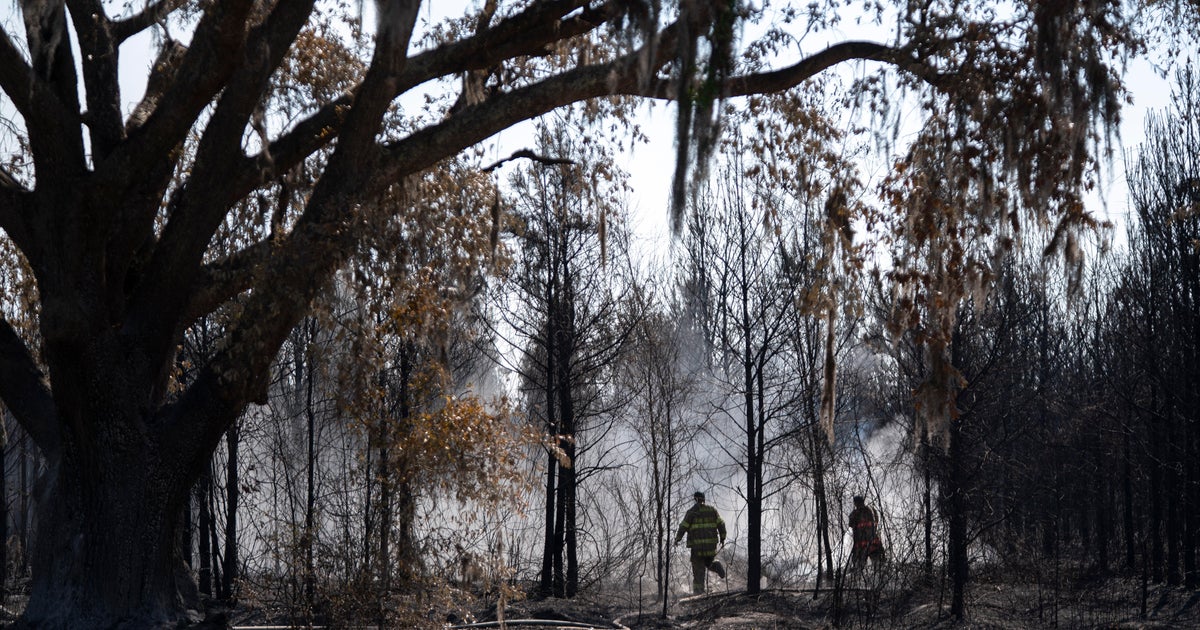
Two large wildfires in south Georgia — the Brantley Highway 82 fire in Brantley County and the Pineland Road fire in Clinch County — have burned a combined area of more than 38,000 acres and destroyed over 100 homes. Extreme drought conditions in the region have contributed to rapid fire spread, and new fires ignited overnight. Officials reported the Brantley County fire at about 7,500 acres and the Clinch County blaze at more than 31,000 acres. State and federal officials described these as among the most significant fires in the country at the time. Authorities said the Brantley Highway 82 fire is believed to have started when a party balloon contacted a power line and sparked. Personal accounts in the report include a woman who evacuated with four children and 10 dogs and watched her home burn via home-security cameras, and a small-business owner whose insurance denied a claim citing an “act of God.” Governor Brian Kemp toured the area, met first responders, and said crews would continue containment efforts while awaiting weather changes. Fire activity was expected to remain high over the weekend.
Biblical Reflection
The article reports immediate facts and human stories without heavy editorializing: it centers loss, emergency response, and an identified ignition source. From a biblical perspective the report highlights human vulnerability, the immediacy of neighborly need, and the limits of human institutions (for example, insurance exclusions). Christians should note two primary spiritual responses: compassionate action and wise stewardship. Compassion calls the church to bear burdens practically (shelter, supplies, coordination of aid) and emotionally (presence, prayer). Stewardship calls us to think about caring for creation and community resilience — preparing, supporting land and infrastructure management, and advocating for policies that reduce risk where appropriate. The story also reveals common media tendencies: focusing on vivid personal narratives (which rightly draw attention) while giving less space to systemic factors such as long-term land management, local planning, or broader climate trends that shape drought risk. Finally, the mention of an accidental ignition reminds us that many disasters are mixtures of contingency and human causation; Christians should resist simplistic blame or fatalism and pursue truthful assessment coupled with mercy. In practical terms, believers should prioritize immediate relief and long-term support, resist politicized framing that obscures real needs, and encourage their communities to act with both compassion and prudence.
Scripture in context
This outlook does not yet include contextual Scripture citations. Do not treat a general biblical theme as an exegetical conclusion.
Faithful Response
No prescribed response is offered. Consider the reflection prompts below in your own church context.
Reflection and Discussion
- 1What causes does the article emphasize (individual accident, drought) and what broader contributing factors (land management, long-term climate patterns, infrastructure) are mentioned or omitted?
- 2How does the focus on vivid personal loss shape our impulse to respond — does it lead us toward short-term aid only, or toward sustained community rebuilding and prevention?
- 3What assumptions about responsibility (individual, community, government, insurers) are implied, and how should Christian ethics inform where we place our efforts and advocacy?
Sources
Reporting links are evidence inputs; Sanctuary News' biblical reflection is commentary.
This outlook currently relies on fewer than two linked sources. Broaden verification before teaching from it.
- 1.Original reportprimary