News Summary
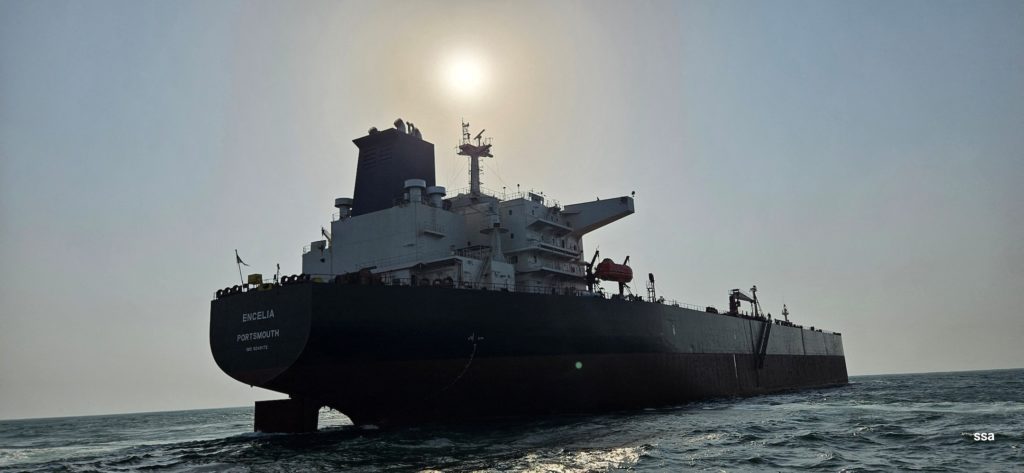
Reported facts: PBS NewsHour states Houthi rebels claimed attacks on two oil tankers in the Red Sea and that international oil prices rose above $100 per barrel afterward; President Trump warned the U.S. would deliver "major military punishment" if another ship is attacked and cautioned about escalation inside Iran. Attributions and uncertainty: the report cites Houthi claims without presenting independent verification of the attacks, and it reports the president's warnings as quoted; the article links these events to market reactions and fears of supply disruption but does not document specific damage, casualties, or operational impacts to shipping lanes.
Source and Framing Analysis
The story is a single-piece report from PBS NewsHour based on the Houthi claim and the presidential statement; it frames the events around price movement and the U.S. reaction. Material uncertainties include independent confirmation of the attacks (owner/operator, ship names, location details, damage, casualties), how directly the price movement is attributable to these specific incidents versus broader market dynamics, and what "major military punishment" would concretely involve. The framing emphasizes escalation and market fear, which is appropriate given the stakes, but readers should note the article does not supply corroborating evidence for the attack claims.
Biblical Reflection
This report describes a volatile mix of maritime attacks, rising global energy prices, and threats of U.S. military retaliation. Christians should note the real human and economic stakes—seafarers' safety, regional civilian harm, and the risk that rhetoric and military action could escalate conflict. The article presents immediate facts and quotes but leaves key details unconfirmed by independent sources (for example, independent verification of the attacks, the level of damage, and the intended targets). Biblical wisdom calls us to seek truth, avoid hasty partisanship, and pray for the vulnerable caught between geopolitical actors.
Scripture in context
- 1Romans 12:17-21 — Paul's letter to the Romans addresses how Christians should live among nonbelievers and fellow believers in a pagan-dominated empire: he exhorts readers not to repay evil for evil, to pursue what is honorable, to live at peace as much as it depends on them, and to overcome evil with good rather than seeking revenge. — This passage challenges Christian responses to violence and threats: it calls for just resistance that avoids private vengeance, prioritizes peacemaking where possible, and resists the temptation to celebrate an enemy's harm. It shapes a posture of measured justice, mercy for the vulnerable, and active pursuit of reconciliation when feasible.
Faithful Response
Pray specifically for seafarers, civilians in the region, and leaders on all sides to choose restraint and protect noncombatants.
Seek reliable, multiple-source information before forming strong public judgments or partisan alignments about military action.
Support and advocate for humanitarian relief organizations aiding civilians affected by regional instability and for measures that protect commerce and lives without escalating violence.
Reflection and Discussion
- 1How does Scripture shape the way you evaluate leaders' threats of military force in response to violence?
- 2When news stresses the need for justice and the need for peace, which commitments of Christian discipleship help you hold both together?
- 3Whose voices are missing from the reporting (seafarers, regional civilians), and how does that absence affect our moral imagination?
Sources
Reporting links are evidence inputs; Sanctuary News' biblical reflection is commentary.
This outlook currently relies on fewer than two linked sources. Broaden verification before teaching from it.
- 1.Trump threatens 'major military punishment' after Houthi attacks on tankers in Red Seaprimary_reporting