News Summary
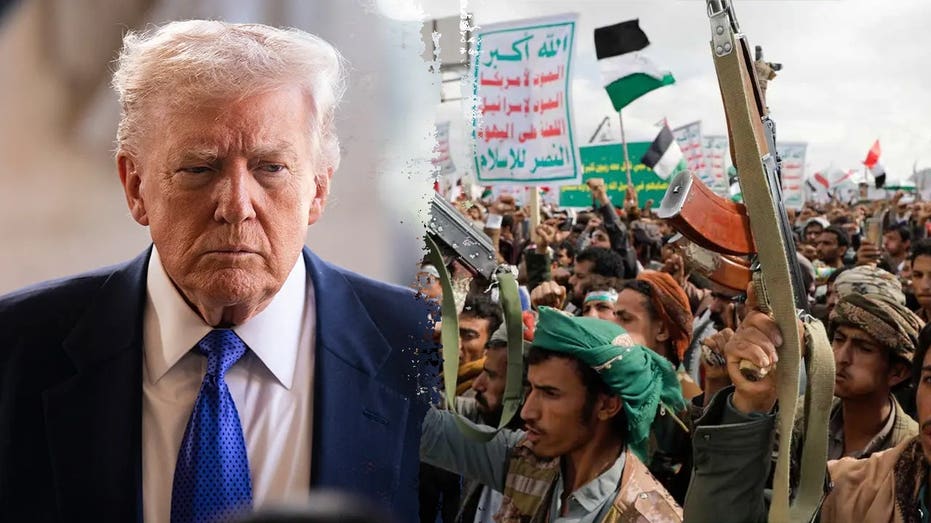
Fox News reports that former President Donald Trump warned the Houthi movement after the Houthis threatened a shipping blockade; the article quotes Trump saying, "We take care of things." The piece also reports that Iran allegedly instructed Houthis to prepare to close the Bab el‑Mandeb Strait and states that Trump approved Saudi Arabia's renewed military strikes on Yemen. These assertions are presented as reported or attributed claims; the article does not supply independent corroboration of Iran's direction or give detailed official documentation of the approvals.
Source and Framing Analysis
Material uncertainties: the article relies on attributed reports ("reportedly") for the claim that Iran instructed the Houthis, and it links several developments without providing independent verification or primary documents. The framing emphasizes deterrence and executive action (warnings and approvals of strikes) and gives limited attention to humanitarian impacts, local context in Yemen, or independent corroboration of the Iran‑Houthis link. That framing can make escalation appear straightforward and necessary while downplaying civilian cost, root causes, and options for de‑escalation.
Biblical Reflection
This story sits at the intersection of geopolitics and human cost. Taken at face value, it portrays the threat of escalation — a regional militia (the Houthis) threatening a key global shipping chokepoint, an allegation of Iranian direction, and the involvement or approval of state military action. Christians should first pursue truth: ask what is verified and what is reported. Second, we should measure reactions by charity and concern for civilians who suffer most when conflicts escalate—especially Yemen’s population, which has endured years of war and humanitarian crisis.
The article's framing is martial and executive—statements of deterrence, approval of strikes, and anonymous reports of direction by a foreign government. That framing can compress complex causes into a simple narrative of threats and counterthreats. As Christians, remind ourselves that our calling is not to celebrate force but to pray for peace, justice, and protection of the vulnerable. Seek reliable corroboration before hardening opinions, and advocate for responses that prioritize civilian protection, humanitarian access, and a genuine path toward de‑escalation.
Scripture in context
- 1Matthew 5:9 — Part of the Sermon on the Mount where Jesus pronounces 'blesseds' describing the character and conduct of his followers; this beatitude praises peacemakers and places peacemaking within the ethic of the kingdom. — In situations of international tension the passage calls Christians to prize peacemaking, to prioritize efforts that reduce harm and protect the vulnerable, and to critique responses that jump immediately to celebration of force without seeking justice and mercy.
Faithful Response
Pray specifically for civilians in Yemen, seafarers and coastal communities affected by any shipping disruption, and for leaders on all sides to pursue de‑escalation and humanitarian access.
Seek reliable, multiple sources before forming firm conclusions about claims of state direction or military approvals; resist sharing uncorroborated reports.
Support or donate to reputable humanitarian organizations working in Yemen or with refugees displaced by conflict, and encourage local churches to partner in relief efforts.
Reflection and Discussion
- 1What standards of evidence should guide my response when an article links a state's direction of a militia to a spike in military action?
- 2How can I hold both a commitment to justice and a reluctance to celebrate military escalation in tension-filled international stories?
- 3Who are the immediate victims likely to be if a shipping chokepoint is closed, and how should that shape Christian concern and action?
Sources
Reporting links are evidence inputs; Sanctuary News' biblical reflection is commentary.
This outlook currently relies on fewer than two linked sources. Broaden verification before teaching from it.
- 1.Trump warns Houthis after shipping blockade threat: 'We take care of things'primary_reporting