News Summary
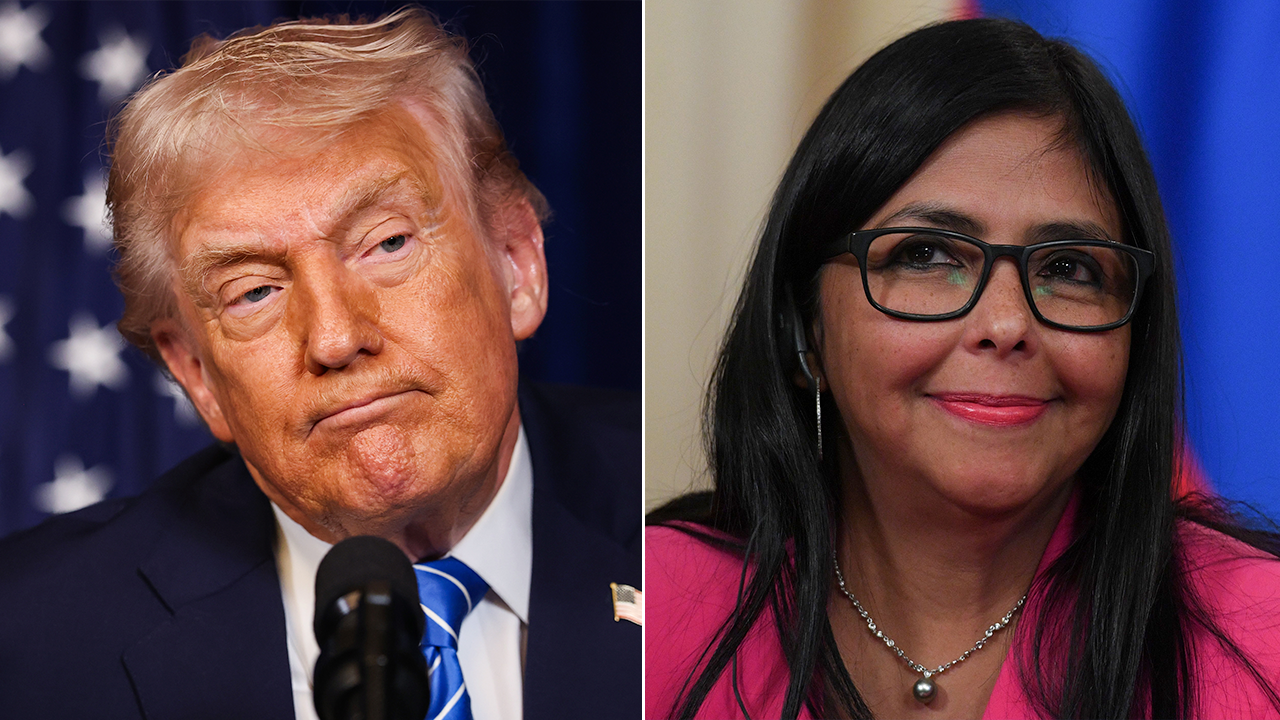
The article details President Donald Trump's announcement that the United States is now 'in charge' of Venezuela following a U.S. military operation that led to the arrest of Venezuelan President Nicolás Maduro. Trump outlined intentions for the U.S. to oversee Venezuela's recovery, rebuild its economy—especially its oil industry—and delay elections until the country is stabilized. He emphasized that American oil companies, rather than taxpayers, will finance reconstruction and that restoring Venezuela's oil production is a priority. Trump also referenced the Monroe Doctrine as justification for U.S. intervention in the Western Hemisphere and issued warnings to other countries in the region, including Colombia and Iran, suggesting the U.S. would respond forcefully to threats or instability. He claimed that the U.S. would take care of Venezuelans displaced by the crisis, both in Venezuela and abroad. The article includes reactions to the operation and outlines Trump's broader foreign policy stance.
Biblical Reflection
From a biblical perspective, the assertion of control by one nation over another—especially through military force and for economic interests—raises profound ethical and spiritual questions. Scripture warns against pride and the pursuit of power for its own sake (Proverbs 16:18), and repeatedly calls leaders to act with humility, justice, and compassion. While caring for the suffering and displaced is commendable, the plans to delay elections and prioritize economic gain (particularly oil) may reflect self-interest rather than a genuine concern for the Venezuelan people's well-being. The Bible commands us to seek justice, defend the oppressed, and pursue peace (Micah 6:8; Isaiah 1:17), not to exploit the vulnerable or justify domination under the guise of security or peace. Jesus taught that true greatness is found in serving others, not in ruling over them (Mark 10:42-45). In international affairs, the call is to pursue reconciliation, support self-determination, and respect the dignity of all peoples—values not fully reflected in this approach. Followers of Christ are challenged to discern whether political actions are truly guided by justice, mercy, and humility, or by national self-interest and power dynamics.
Scripture in context
This outlook does not yet include contextual Scripture citations. Do not treat a general biblical theme as an exegetical conclusion.
Faithful Response
No prescribed response is offered. Consider the reflection prompts below in your own church context.
Reflection and Discussion
- 1How should Christians evaluate the use of power and military force in international affairs?
- 2In what ways can we advocate for justice and peace for vulnerable nations without seeking self-interest?
- 3What does it mean to 'love mercy, do justice, and walk humbly with God' in the context of global politics?
Sources
Reporting links are evidence inputs; Sanctuary News' biblical reflection is commentary.
This outlook currently relies on fewer than two linked sources. Broaden verification before teaching from it.
- 1.Original reportprimary