News Summary
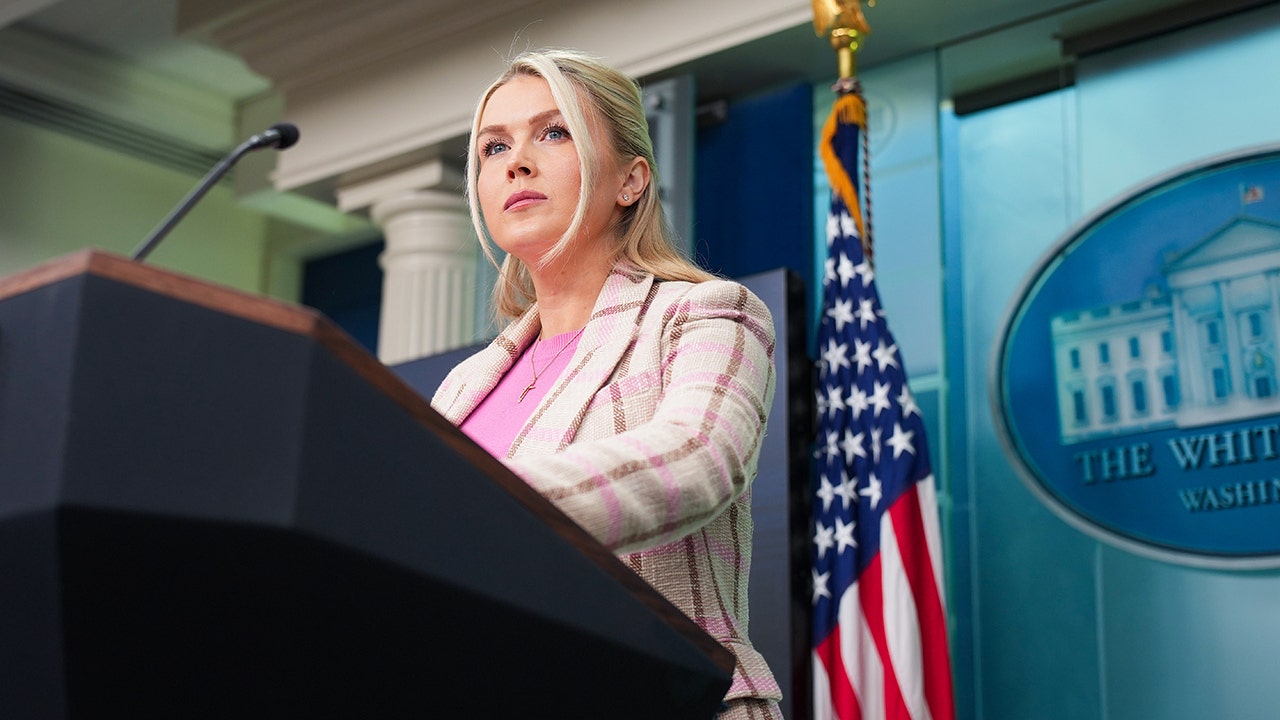
White House press secretary Karoline Leavitt said President Donald Trump is urging Congress to pass the SAVE America Act (SAA) while also restoring funding to the Department of Homeland Security (DHS). The push comes amid a funding lapse that has left more than 100,000 federal DHS employees, including TSA and Coast Guard personnel, without pay, and has produced long airport lines that affect travelers. Leavitt described the SAA as a critical, popular package of election reforms that would require voter ID at the polls, require proof of citizenship to register, end universal mail-in ballots with limited exceptions, ban biological males from competing in women’s sports, and prohibit transgender surgery for minors. The White House insists the bill would not prevent married women who changed their last names from voting and characterizes the measures as common-sense protections of election integrity. Simultaneously, the president is calling on Congress to quickly vote to fully fund and reopen DHS so affected employees receive pay and services resume. The administration is pressing for both legislative priorities to be addressed swiftly.
Biblical Reflection
Scripturally grounded political discernment asks two basic questions: Does this advance justice and protect the vulnerable? And are those advocating it doing so with truth, humility, and care? On the immediate humanitarian issue — scores of DHS employees missing paychecks — the Bible is clear about timely and fair treatment of workers (e.g., warnings against withholding wages). Christians should see the furloughs not as an abstract budget dispute but as a pastoral concern: families are strained, and Scripture calls God’s people to defend the weak and provide for those who labor (James 5:4; Leviticus 19:13). Restoring pay and ensuring essential services (airport security, emergency response) is a tangible expression of neighbor love and public stewardship.
On the electoral reforms in the SAVE America Act, Christians can acknowledge a legitimate concern for honest and orderly elections. Governing authorities are entrusted with maintaining just institutions (Romans 13), and measures that genuinely secure the right to vote can be consistent with biblical calls to live peacefully and pursue justice. However, any reform must also be measured against the biblical demands of justice, mercy, and protection of the marginalized (Micah 6:8). Policies that impose undue burdens on eligible voters, create confusion that results in disenfranchisement, or are advanced with overheated rhetoric should be approached with caution. Christians should press for transparency, evidence, and safeguards so that the aim of election integrity does not become a vehicle for exclusion or fear.
Provisions addressing gender and medical care for minors raise pastoral and ethical questions as well. Scripture urges care for children and calls for truthfulness and compassion in how we treat those who are vulnerable. Christians will differ on medical and cultural judgments, but the Christian response should prioritize the wellbeing of children, avoid cruelty, and seek policies informed by medical expertise, family support, and pastoral care rather than purely political posturing.
Finally, the tone and method of political advocacy matter. The Bible frequently warns against pride, manipulation, and false witness (Proverbs, Ephesians 4:25). Leaders and citizens alike are called to humility, honest speech, and a willingness to pursue the common good rather than partisan advantage. For Christians observing this story, the immediate scriptural obligation is to pray for affected workers, advocate for their fair treatment, seek truth in public claims about legislation, and engage civically in ways that reflect mercy, justice, and humility.
Scripture in context
This outlook does not yet include contextual Scripture citations. Do not treat a general biblical theme as an exegetical conclusion.
Faithful Response
No prescribed response is offered. Consider the reflection prompts below in your own church context.
Reflection and Discussion
- 1How can I pray for and practically support workers and families harmed by government funding lapses in a way that reflects Christian compassion?
- 2When reforms are advocated in the name of integrity, what criteria should I use to judge whether they promote justice or risk harming the vulnerable?
- 3Am I engaging in political discussion with humility and truthfulness, and how can I witness to mercy and justice in my civic involvement?
Sources
Reporting links are evidence inputs; Sanctuary News' biblical reflection is commentary.
This outlook currently relies on fewer than two linked sources. Broaden verification before teaching from it.
- 1.Original reportprimary