News Summary
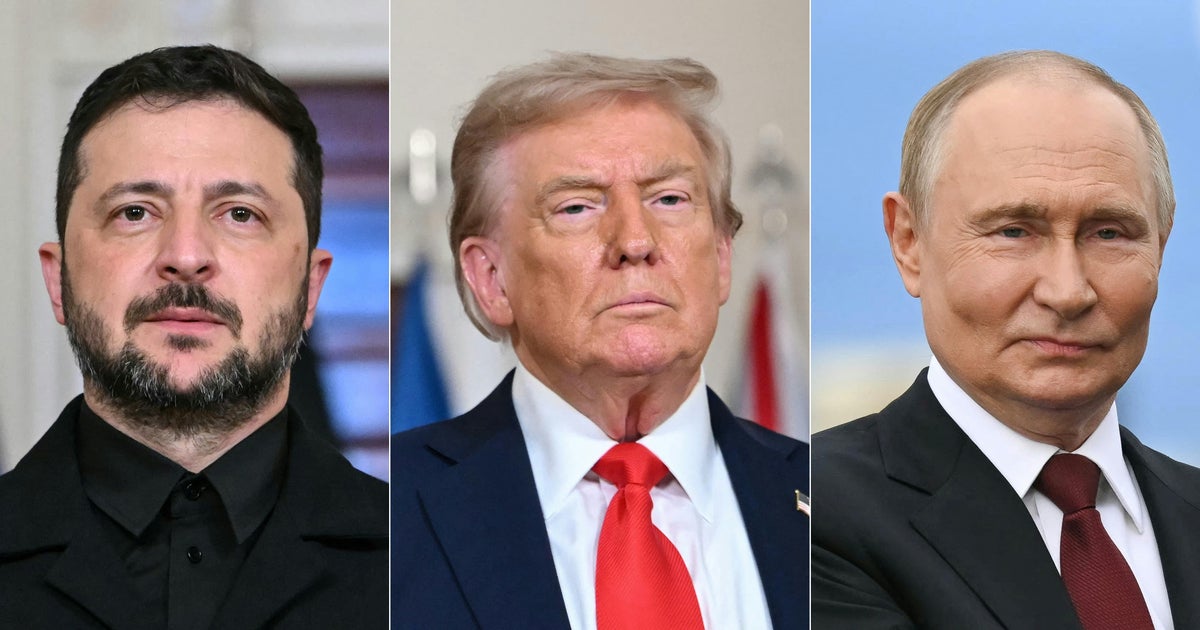
On June 14, 2026, U.S. President Donald Trump spoke by phone with Russian President Vladimir Putin and Ukrainian President Volodymyr Zelenskyy. Russia's presidential aide Yuri Ushakov said the call with Putin lasted just under an hour and that Trump emphasized the need to end hostilities and offered to influence European allies and Kyiv toward that goal, including at the upcoming G7 summit. Ushakov quoted Trump as saying recent strikes on Russian civilian targets complicate settlement; the White House has not confirmed details. Putin argued strikes on Russian infrastructure would not change Ukraine's battlefield position and said Zelenskyy should come to Moscow if he wants a meeting. Ushakov also said U.S. envoy Steve Witkoff and Jared Kushner are expected to travel to Russia soon and that Trump discussed Iran, saying a U.S.-Tehran agreement was close. Zelenskyy said he had a “wonderful conversation” with Trump, thanked him for support, noted strengthened Ukrainian positions along the eastern front, and said they would discuss more at the G7 summit. The article also reported continued fighting and Ukrainian drone strikes on Russian regions that caused deaths and fires, Ukraine's targeting of Russian oil and gas infrastructure, and a separate U.K.-led boarding and detention of a sanctioned tanker suspected of evading Russia-related sanctions.
Biblical Reflection
The article largely reports diplomatic contacts and battlefield events without dramatic editorializing, but several details come from a Russian official and lack independent U.S. confirmation—readers should note the asymmetry of sourcing. From a Christian perspective, the central moral imperative is the relief of human suffering and the pursuit of a just peace. Diplomatic conversations that aim to stop violence deserve our attention and prayer, yet we should also ask whether proposals prioritize justice for the wounded and displaced or primarily the strategic interests of powerful actors. Be wary of simple narratives that promise quick fixes; history and Scripture call for patient, truthful engagement that protects the vulnerable. Christians can advocate for humanitarian access, truthful reporting, and leadership that seeks both reconciliation and accountability.
Scripture in context
This outlook does not yet include contextual Scripture citations. Do not treat a general biblical theme as an exegetical conclusion.
Faithful Response
No prescribed response is offered. Consider the reflection prompts below in your own church context.
Reflection and Discussion
- 1Which voices are being privileged in this reporting—state officials or civilians affected by the fighting—and how does that shape our understanding?
- 2What claims in the article rely on single, interested sources, and how should that affect how much weight we give them?
- 3Does talk of ending hostilities include plans for justice, justice for civilians, and humanitarian access, or does it primarily reflect geopolitical convenience?
Sources
Reporting links are evidence inputs; Sanctuary News' biblical reflection is commentary.
This outlook currently relies on fewer than two linked sources. Broaden verification before teaching from it.
- 1.Original reportprimary