News Summary
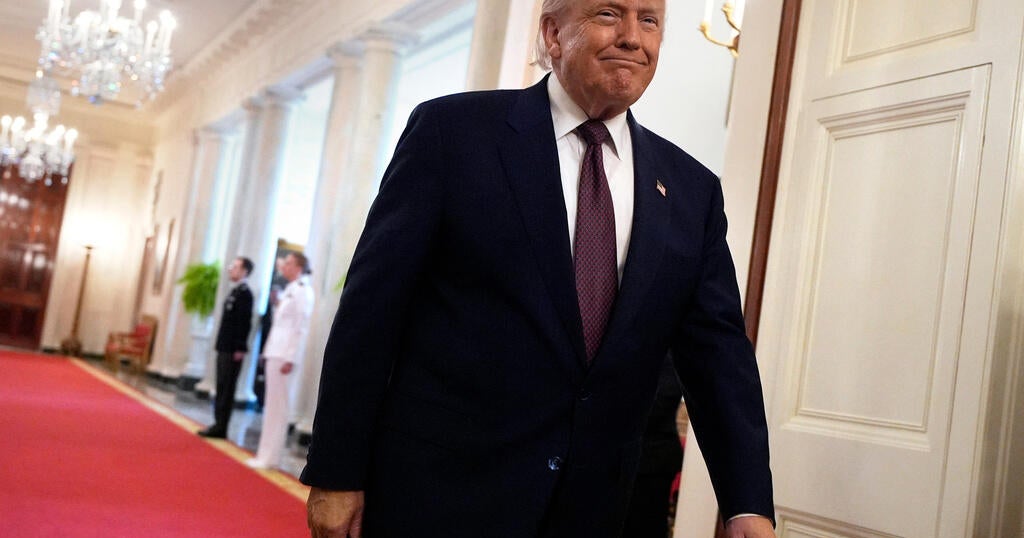
After the U.S. launched a war against Iran in late February, President Trump initially announced aggressive objectives: destroy Iran's missile capacity, prevent rebuilding of its nuclear program, and encourage Iranians to seize control of their government. U.S. forces targeted Iranian missile stockpiles and facilities during the conflict. In June, the U.S. and Iran signed a memorandum of understanding to extend the ceasefire and begin negotiations over Iran's nuclear program and other issues over the next 60 days. Since the war's outbreak, President Trump has moderated some earlier positions in public remarks: he said it is acceptable for Iran to retain some ballistic missiles, stated he is not in a rush to recover highly enriched uranium located in damaged sites, and denied seeking active regime change. The memorandum does not mention ballistic missiles; it commits the parties to discuss disposition of stockpiled enriched uranium, with a “minimum methodology” of down-blending under International Atomic Energy Agency oversight to be worked out in upcoming talks. Administration officials say sanctions will only be lifted as part of a final deal and contingent on demonstrable Iranian compliance. Vice President JD Vance asserted a tougher stance on enrichment than past U.S. agreements, while Trump emphasized pragmatic bargaining and praised current Iranian leaders as rational. Key issues left to negotiation include the fate of Iran’s missile forces, access to and disposition of uranium damaged in strikes, enrichment limits, and the timing and conditions for lifting sanctions.
Biblical Reflection
From a Christian perspective, the article shows a common tension between the rhetoric of military victory and the practical demands of diplomacy. The shift from uncompromising public aims to negotiated ambiguity is typical in wartime policymaking, but it raises important moral questions: whether initial aggressive language dehumanized opponents or encouraged undue risk to civilians, and whether later concessions are prudence or retreat. The piece largely centers U.S. political messaging and officials' statements, with less attention to Iranian civilians' suffering, regional consequences, or independent verification of on-the-ground realities — a framing bias that can make complex human costs feel abstract. Christians should be wary of celebrating power for its own sake and should hold leaders to truthfulness about capabilities and intentions. At the same time, the move toward a ceasefire and talks aligns with the biblical impulse to prefer negotiation and restraint over continued violence. The proper Christian posture is to pray for wise leadership, insist on protection for noncombatants, and encourage policies that seek a just and durable peace rather than short-term advantage or theatrical declarations of dominance.
Scripture in context
This outlook does not yet include contextual Scripture citations. Do not treat a general biblical theme as an exegetical conclusion.
Faithful Response
No prescribed response is offered. Consider the reflection prompts below in your own church context.
Reflection and Discussion
- 1How does the article's focus on U.S. leaders' changing statements shape our understanding of the conflict's human cost and the perspectives of those directly affected in Iran?
- 2When rhetoric about total victory gives way to negotiated compromise, what does that reveal about the limits of military solutions and the moral responsibilities of those who send others into conflict?
- 3Are key facts about civilian harm, regional stability, and verification of claims sufficiently represented, or does the coverage prioritize political messaging over consequences?
Sources
Reporting links are evidence inputs; Sanctuary News' biblical reflection is commentary.
This outlook currently relies on fewer than two linked sources. Broaden verification before teaching from it.
- 1.Original reportprimary